
Best woven storage baskets stylish is what most people search when they want storage that doesn’t look like storage—something that hides clutter but still feels like decor. The good news is you can get both, but only if you match material and build quality to how you actually live.
What trips shoppers up is that “woven” covers a lot: seagrass that looks airy but can snag, rattan that holds shape well, cotton rope that’s soft but may slump, and synthetic weaves that handle damp spaces better. If you pick based on looks alone, you often end up with warped sides, shedding fibers, or handles that rip the first time you lift a loaded basket.
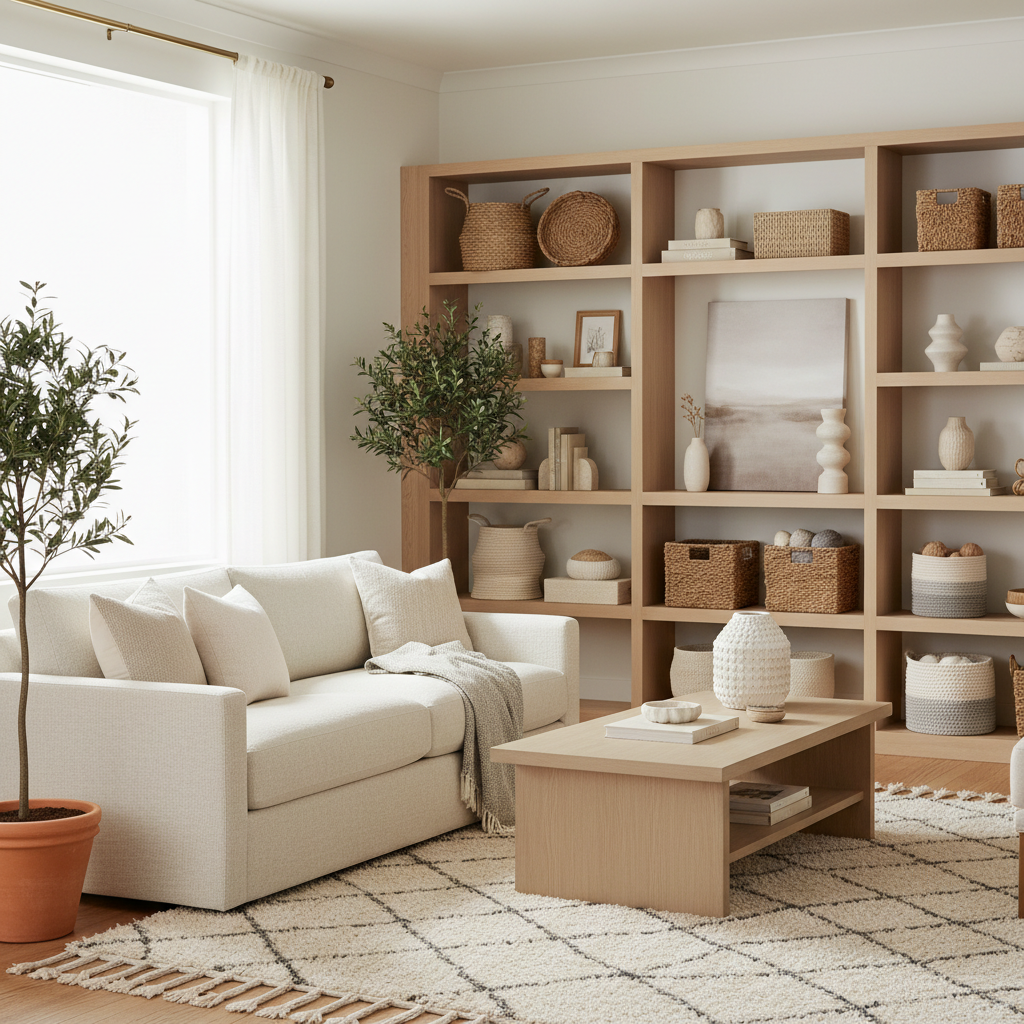
This guide helps you choose woven baskets that stay stylish and sturdy in real use: kids, pets, laundry, pantry overflow, entryway chaos. You’ll get a quick self-check, a material comparison table, and practical buying tips so you don’t have to guess.
What “stylish & sturdy” actually means for woven baskets
In practice, “stylish” is easy: shape, color, and weave texture. “Sturdy” is more specific, and it’s where most baskets fail.
- Structure: walls stay upright, base doesn’t taco when lifted.
- Weave tightness: consistent spacing so the basket doesn’t stretch into a lopsided blob.
- Handle strength: handles are integrated into the frame or stitched with reinforcement.
- Finish: minimal shedding, no sharp ends, no strong chemical odor.
According to the U.S. Consumer Product Safety Commission (CPSC), consumers should follow product warnings and instructions and keep products in safe condition; for baskets that may be used around children, that translates to checking for loose parts, sharp points, and stability before regular use.
Materials matter: compare the most common weaves (with best-use picks)
If you’re trying to find the best woven storage baskets stylish enough for open shelving and tough enough for daily handling, start with the material. It predicts how the basket behaves a year from now, not just how it looks on delivery day.
| Material | Look | Durability in real use | Best for | Watch-outs |
|---|---|---|---|---|
| Seagrass | Coastal, airy, natural | Medium | Blankets, toys, styling shelves | Can snag, may dry out in very arid homes |
| Rattan / cane | Classic, structured | High | Entryway drop zone, living room, shelves | Can scratch floors; check for smooth edges |
| Water hyacinth | Chunky, warm texture | Medium-high | Laundry, bulky items | Heavier; tight corners can fray if dragged |
| Cotton rope | Soft, modern, often minimalist | Medium | Nursery, towels, gentle storage | Can slump; look for reinforced rim |
| Synthetic resin / plastic weave | Similar to rattan, cleaner lines | High | Bathroom, damp basements, mudrooms | Cheaper versions can feel brittle or shiny |
A quick self-check: which basket type fits your room and habits?
Before you shop, answer these quickly. This is the part most people skip, then wonder why the baskets “didn’t work.”
- Will you lift it often? If yes, prioritize reinforced handles and a rigid rim.
- Will it sit on open shelves? If yes, pick consistent sizing and a cleaner weave pattern.
- Could it get damp? If yes, lean synthetic weave or sealed/treated natural materials, and avoid soaking.
- What goes inside? Heavy items need structure; soft items can use softer rope baskets.
- Pets or small kids around? Choose smoother finishes, avoid sharp protruding weave ends.
If your answers are mixed, that’s normal. Many homes need a “pretty” set for living areas and a tougher, easier-to-clean set for utility spaces.
How to spot quality in 60 seconds (in store or online)
Photos can hide a lot, so use simple checks that correlate with sturdiness. These work whether you’re buying locally or scrolling online.
Build signals you want
- Reinforced rim: a thicker wrap, hidden wire, or doubled weave around the top edge.
- Flat, stable base: the basket sits level without rocking.
- Clean joins: no loose ends poking out, no visible gaps where the weave starts/ends.
- Integrated handles: cutout handles with reinforcement or stitched handles that feel anchored.
Red flags (especially for heavy use)
- Handles attached with a few thin stitches and no backing.
- Strong odor that lingers after airing out, which can be a sign of heavier treatments or packaging issues.
- Uneven weave density, where one side looks “looser” than the other.
If you’re buying online, scan reviews specifically for warping, shedding, and handle ripping. Those three complaints rarely improve with time.
Room-by-room recommendations (what usually works)
Here’s where “best” gets contextual. The best woven storage baskets stylish for a living room shelf are often the wrong pick for a bathroom cabinet.
Living room and open shelving
- Go for rectangular baskets for shelves, they waste less space than round.
- Choose rattan/cane or tight seagrass weaves for a tidy look.
- Match heights across a shelf row for visual calm, even if widths vary.
Entryway and mudroom
- Prioritize rigid structure and handles that can take daily yanks.
- Synthetic weave can be the quiet MVP here if shoes, damp umbrellas, or sports gear show up.
Bathroom and laundry
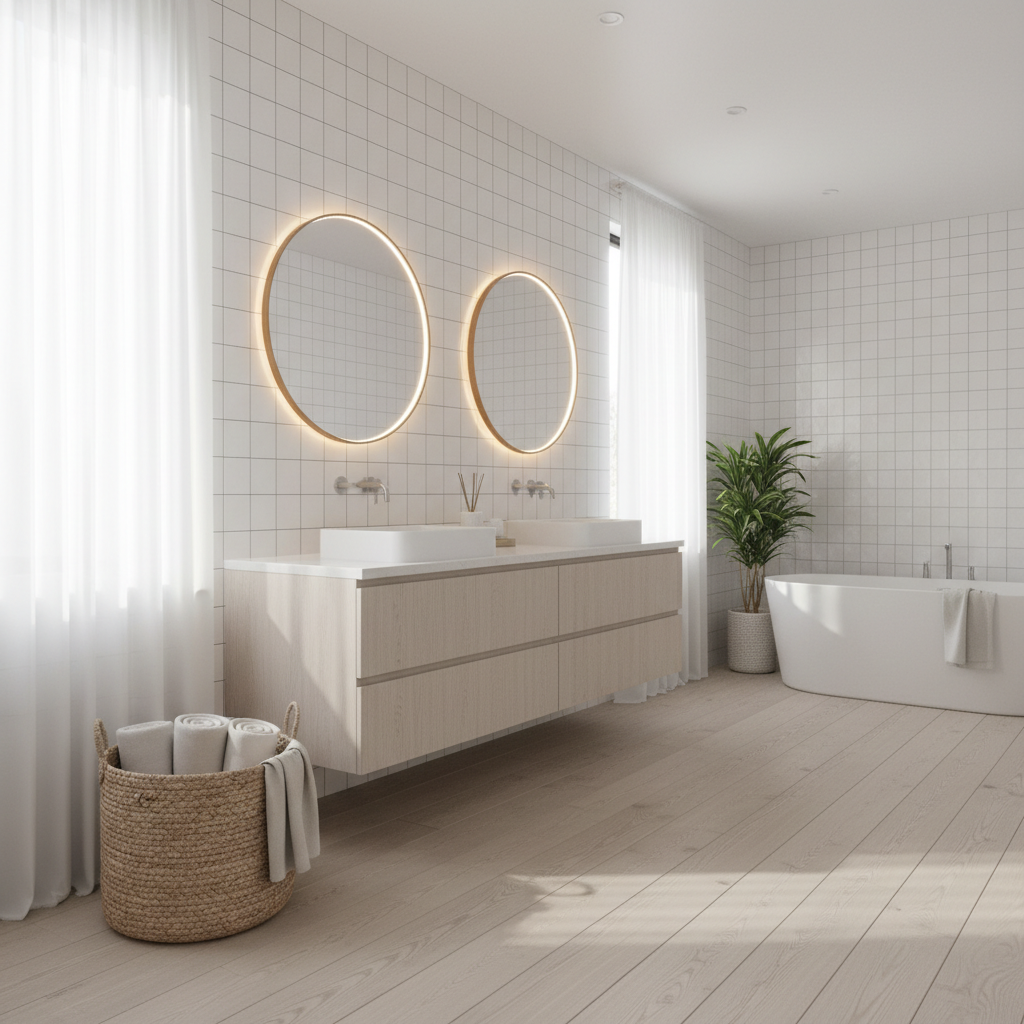
- Pick materials that tolerate humidity; synthetic weave often behaves better.
- If you love natural fibers, keep them elevated and dry, avoid placing directly against wet tile.
Kids’ rooms and nurseries
- Cotton rope baskets are softer around little hands and furniture corners.
- Look for washable liners or removable inserts if messes are likely.
- If a basket has a lid, make sure it’s easy to remove and doesn’t pinch fingers.
Practical setup: how to make baskets stay neat (not become “clutter holders”)
The basket can be perfect and still fail if the system is vague. A couple small habits keep woven storage working.
- Name the category on purpose: “chargers,” “dog toys,” “winter hats,” not “random.”
- Use the one-hand rule: if you can’t open, grab, and put back with one hand, it won’t stick.
- Set a fill line: stop at 80–90% full so the rim doesn’t flare and the weave doesn’t stretch.
- Pair with a liner for small items: a fabric liner or small pouch prevents tiny things from escaping the weave.
Key takeaways: pick structure for heavy use, pick material for humidity, and treat labeling as part of the basket—not an optional extra.
Care, safety, and common mistakes to avoid
Most woven baskets last longer than people expect, but they don’t love the same things plastic bins tolerate.
- Don’t soak natural fibers: spot-clean and dry quickly, soaking can warp and invite mildew.
- Avoid dragging heavy baskets: lift instead, dragging chews up the base and loosens the weave.
- Watch heat sources: keep away from heaters and fireplaces; drying too fast can make fibers brittle.
- Check for splinters or sharp ends: sand lightly if needed, or choose a different basket for kid areas.
If you suspect mold or persistent odor in a basket used in damp areas, it may be safer to replace it, and if anyone has sensitivities, consider asking a healthcare professional for guidance.
Wrap-up: choosing baskets you’ll still like next year
Stylish baskets are easy to buy, the harder part is buying ones that stay upright, carry well, and don’t look tired after a few months. Start with where the basket lives, pick the right material for that room, then verify rim and handle strength before you click “add to cart.”
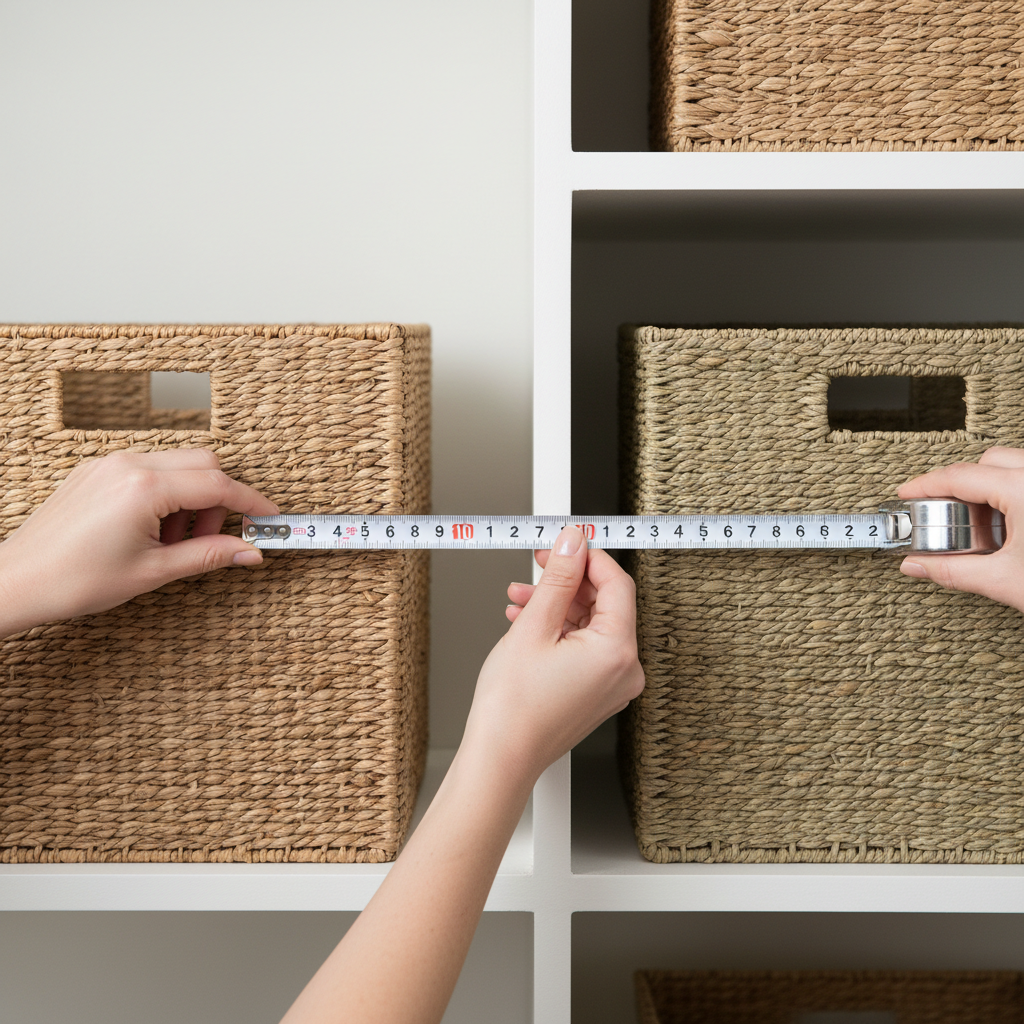
If you want a simple next step, measure your shelf openings today, then choose two basket sizes and repeat them across the room, it’s the fastest way to make storage look intentional.
FAQ
What are the best woven storage baskets stylish enough for open shelves?
Rectangular rattan/cane or tight seagrass baskets usually photograph and “read” cleaner on shelves, especially when you repeat the same height. Soft rope baskets can work too, but they often look more casual and may slump if underfilled.
Are seagrass baskets durable for everyday use?
They’re often durable enough for light-to-medium use like blankets, toys, and shelf storage. For daily lifting with heavier loads, check the rim and handles carefully, because that’s where wear tends to show up first.
Which woven baskets work best in bathrooms?
Synthetic resin weave typically handles humidity better and is easier to wipe down. Natural fibers can still work if the space stays dry and ventilated, but avoid placing them where they’ll regularly get splashed.
How do I stop woven baskets from shedding or snagging?
Choose a tighter weave and inspect for loose ends when it arrives. If a basket snags immediately on towels or sweaters, that’s usually a sign the weave finish is rough, and returning it is often more effective than trying to “fix” it.
Do I need lids on storage baskets?
Only sometimes. Lids help visually hide clutter and keep dust off, but they add friction to daily use. If you access the contents multiple times a day, an open basket often keeps the habit easier.
What size basket should I buy for cube shelves?
Measure the inside opening and leave a little clearance on each side so baskets slide in and out without scraping. Many people buy “cube” baskets that fit tightly, then stop using them because they snag every time.
How can I tell if handles will rip?
Look for handles that are part of a rigid frame, or stitched with reinforcement and a thicker rim. Thin strap handles attached to a soft weave tend to fail earlier when you carry heavier items like laundry.
If you’re trying to build a cohesive look fast, it helps to pick one weave style for visible rooms and a separate, tougher style for utility areas, and then standardize sizes so replacements stay easy when life gets messy.