
tropical home decor vibrant ideas usually work best when you treat “tropical” as a feeling, not a theme you paste on every surface. If your space keeps landing in that awkward middle where it’s colorful but still looks flat, the fix is almost always about balance: one confident palette, a few natural textures, and repeatable accents that make the room feel intentional.
A lot of people hesitate because they fear it will look like a vacation rental, or they worry bright color will overpower a small apartment. Fair concerns, but tropical style can be clean and modern, even in a neutral home, if you choose where to go bold and where to stay quiet.
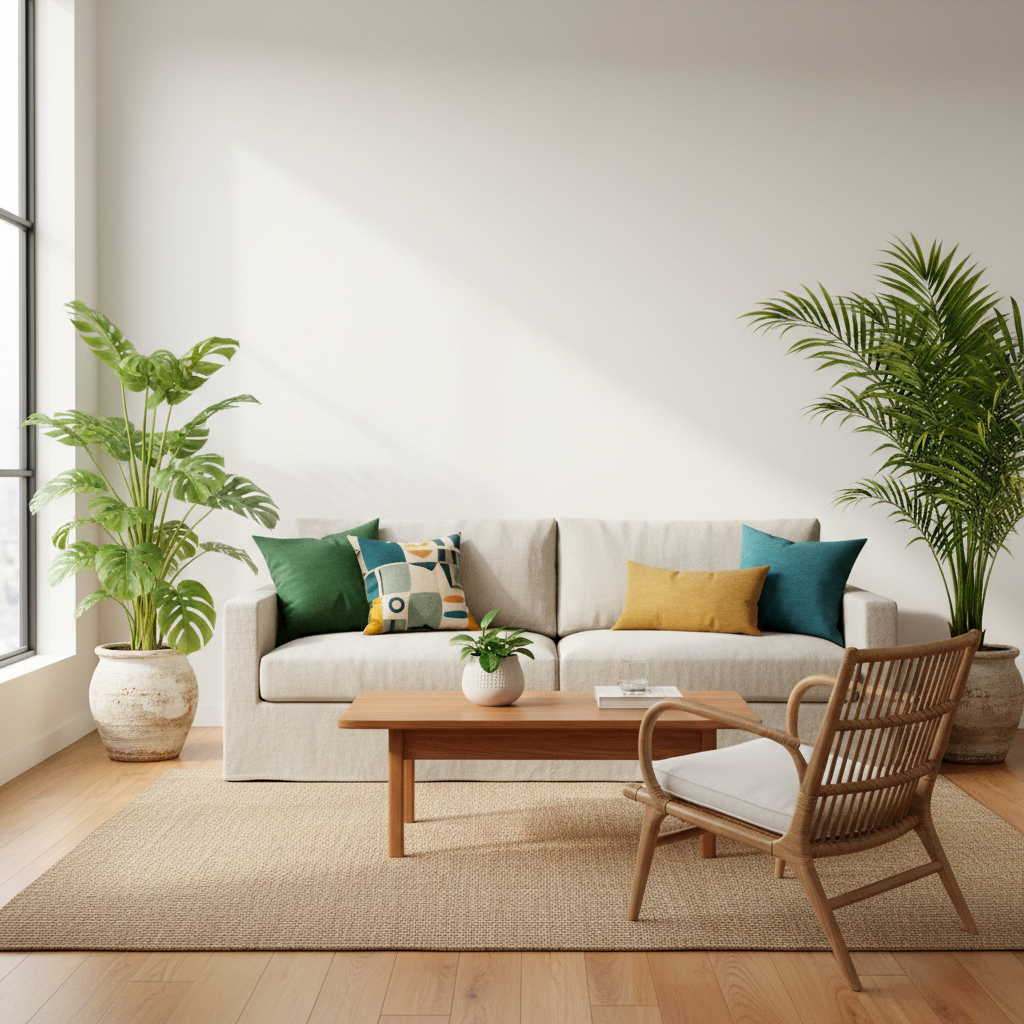
This guide breaks the look down into practical choices: what colors actually feel tropical, which materials make the vibe believable, and what to buy or DIY first so you don’t end up with a random pile of palm prints.
Start with the “vibrant, not chaotic” color rule
Most tropical rooms fail for one reason: too many strong colors competing. A better approach is to pick one dominant color family, one supporting neutral, and one small “pop” color that repeats in 2–3 places.
- Dominant: coral, teal, turquoise, mango, banana-leaf green
- Supporting neutral: warm white, sand, light oak, soft clay
- Pop color: hot pink, sunny yellow, cobalt, or even black for contrast
According to Pantone, color choices influence perceived mood and energy in a space, which is why tropical palettes often lean toward saturated hues paired with grounding neutrals. You don’t need a rainbow, you need repetition and restraint.
Key point: if you want “fresh,” keep the largest surfaces calm. Walls, big rugs, and large sofas are the easiest places to stay neutral while still going tropical through accents.
Use tropical patterns like seasoning, not the whole meal
Banana leaves and palm prints look great, until they’re everywhere. In many homes, one hero pattern plus a couple supporting textures reads more elevated than five different prints fighting each other.
Easy pattern placements that rarely feel too much
- One set of throw pillows with a bold leaf print
- A single wallpapered nook or powder room wall
- Art prints featuring botanicals or coastal color blocking
- Table linens or a runner for a low-commitment seasonal shift
If you do wallpaper, check moisture and ventilation in bathrooms, and consider talking with a contractor if you’re unsure about adhesion or mold risk in humid areas.
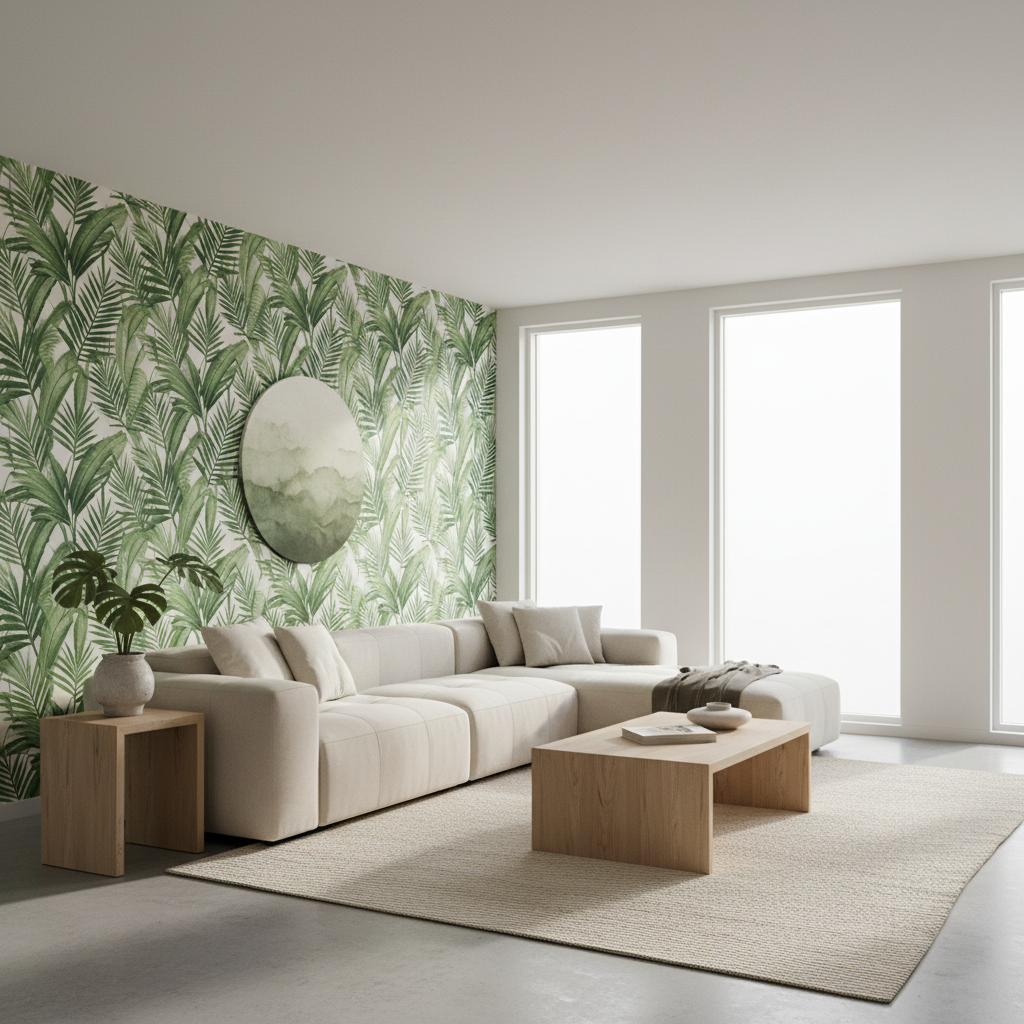
Quick mixer tip: if your hero print is large-scale (big leaves), keep other patterns small-scale (thin stripes, subtle geometrics) and reuse one color from the hero print to tie it together.
Texture is what makes it feel real: rattan, wood, linen, and ceramics
Tropical style isn’t just color. Without natural textures, bright accents can feel “stuck on.” The good news is texture upgrades are usually more forgiving than color changes.
- Rattan/cane: accent chair, headboard, pendant light shade
- Light wood: trays, frames, stools, open shelving
- Linen/cotton: breezy curtains, slipcovers, bedding
- Ceramics: matte vases, reactive-glaze bowls, textured planters
One realistic note: some woven materials can collect dust, especially in dry climates or if you have pets. If that’s you, choose tighter weaves and keep pieces to “one or two per room” so cleaning stays simple.
Plants: pick the right ones for your light (and your patience)
Nothing supports tropical home decor vibrant ideas faster than greenery, but the wrong plant in the wrong light turns into a guilt project. Before you buy, stand where the plant would live and notice how bright it is at noon.
Plant picks by typical home conditions
| Condition | What tends to work | Notes |
|---|---|---|
| Bright, indirect light | Monstera, bird of paradise, rubber plant | Rotate weekly for even growth |
| Medium light | Pothos, philodendron, dracaena | More forgiving if you forget a watering |
| Low light corners | ZZ plant, snake plant | Growth is slower, but survival is easier |
| “I travel a lot” lifestyle | Snake plant, ZZ plant, pothos | Consider self-watering planters |
According to the ASPCA, many common houseplants can be toxic to cats and dogs if ingested, so if you have pets that chew leaves, it’s worth checking plant safety and asking a veterinarian when in doubt.
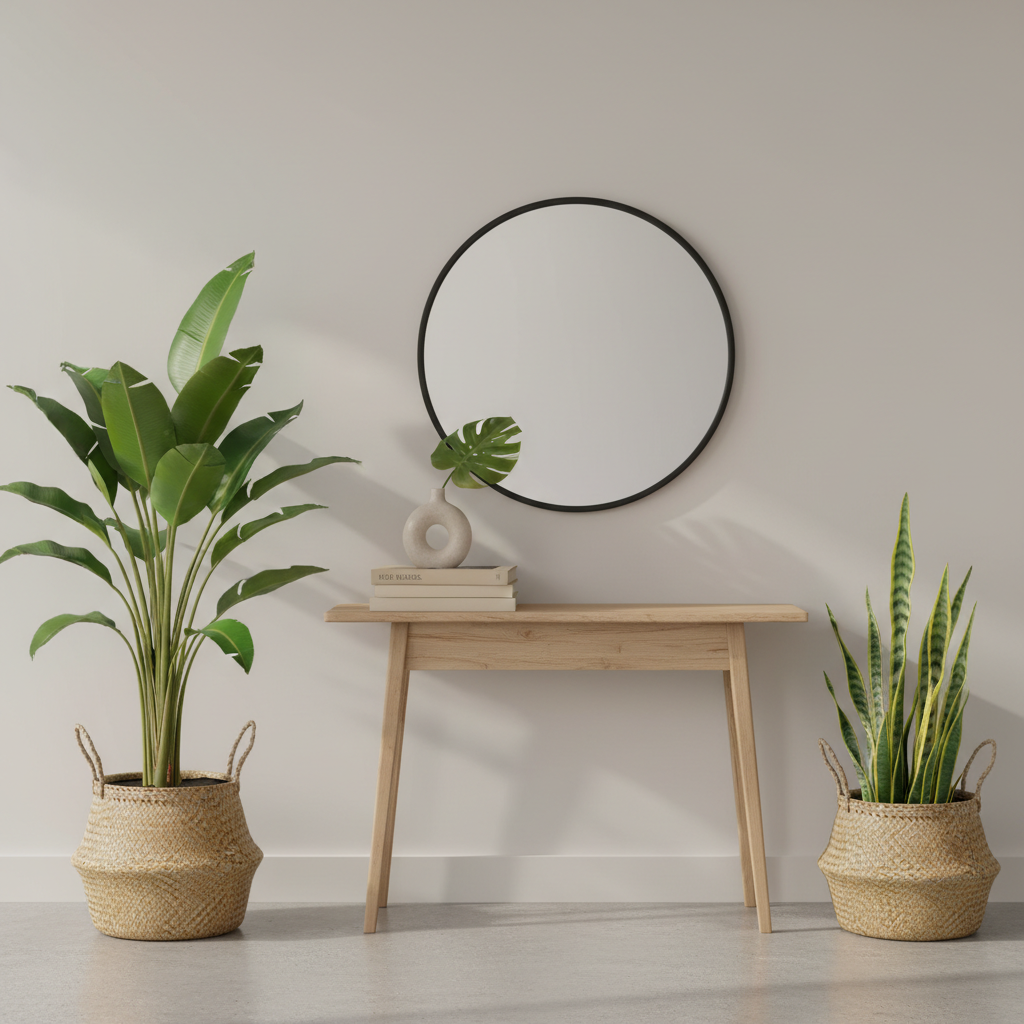
Lighting that sells the vibe: warm, layered, and a little coastal
Even perfect decor can look dull under harsh bulbs. Tropical style reads “sunlit,” so aim for warm-white lighting and add layers so the room feels soft at night.
- Bulb temperature: many homes look inviting around 2700K–3000K
- Layering: overhead + table lamp + floor lamp (at minimum)
- Materials: woven shades, frosted glass, light wood bases
Safety note: if you swap fixtures, follow manufacturer instructions and consider hiring a licensed electrician for older wiring or anything that feels uncertain.
A simple 60-minute refresh plan (low risk, high impact)
If you want progress without repainting walls, this is the order that usually delivers the most “fresh” feeling per minute.
- Declutter one surface: coffee table, console, or nightstand, leave breathing room
- Add one large plant (or a realistic faux if your light is terrible)
- Swap textiles: two pillow covers, one throw, one set of curtains
- Introduce one natural texture: rattan tray, woven basket, cane stool
- Finish with one “spark” object: glossy coral vase, turquoise bowl, brass candleholder
Key point: stop after the room looks “finished enough.” Tropical style loves abundance, but your space still needs negative space to feel modern.
Common mistakes that make tropical decor feel dated
Some choices aren’t wrong, they’re just easy to overdo, especially if you shop quickly online.
- Matching sets (pillow + curtain + rug all same print), it reads like a catalog
- Too many novelty items (flamingos, tiki signs), the room turns into a costume
- Ignoring scale: tiny prints in a big room can look busy but weak
- Cold lighting: bright white bulbs flatten warm woods and greens
- No grounding color: add sand, cream, or wood to calm the palette
If you’re trying to keep it grown-up, choose one playful element, then let the rest be texture and color harmony.
When it makes sense to get professional help
Most people can handle a tropical refresh themselves, but a few scenarios benefit from a pro.
- You want to repaint multiple rooms and need a cohesive whole-home palette
- Your space is open-concept and colors “echo” into each other in weird ways
- You’re considering built-ins, new flooring, or electrical changes for lighting
- You’re staging a home for sale and want broad appeal with a tropical hint
A designer can also help you avoid costly “almost right” purchases, which is honestly where a lot of budgets quietly disappear.
Wrap-up: keep it bright, breathable, and repeatable
tropical home decor vibrant ideas land best when you commit to a palette, add real texture, and let plants do some of the heavy lifting. If you want a clean next step, pick one hero color today and repeat it in three places, then add one natural material you can touch, not just look at.
If you’re feeling stuck, take one photo of your room and decide what’s missing: color, texture, or life. Fix just that one thing first, then reassess.
FAQ
- How do I make tropical decor look modern instead of themed?
Keep large pieces neutral, use one bold pattern max per room, and lean on natural textures like linen and light wood rather than novelty decor. - What are easy tropical updates for renters?
Pillow covers, peel-and-stick wallpaper on a small area, removable hooks for art, and plants in baskets tend to be renter-friendly without permanent changes. - Which colors read “tropical” but still calm?
Sea-glass teal, muted coral, and leaf green paired with warm white usually feel bright without shouting, especially when repeated in small accents. - Can I do tropical style in a small apartment?
Yes, but go lighter on patterns and keep the floor and walls visually simple. One large plant and a few saturated accents often look better than many small items. - Are faux plants okay for tropical home decor?
They can be, particularly in low-light rooms. Choose larger, higher-quality faux stems and keep leaves clean so they don’t look dusty up close. - How many tropical prints are too many?
If you notice your eye “ping-ponging” around the room, it’s probably too many. A common sweet spot is one hero print plus one subtle supporting pattern. - What’s the fastest way to refresh tropical decor seasonally?
Swap textiles and tabletop accessories first. It’s cheaper than changing furniture, and it lets you lean more coastal in summer or warmer in fall.
If you’re trying to pull these choices together quickly, it often helps to start from one anchor item you already like, then build a small “tropical kit” around it: two textiles, one plant, one natural-texture piece, and one pop-color accessory, simple, repeatable, and easy to edit over time.