
Modern home decor can feel “too sleek” fast, especially when your space leans white, gray, or open concept, and suddenly everything looks clean but not comfortable. The good news, warmth is rarely about buying more stuff, it’s about choosing a few cues that the eye reads as inviting: softer contrast, layered lighting, and materials that look lived-in.
This guide focuses on practical moves you can do room by room, with a bias toward changes that show up immediately on a normal budget. You’ll see how contemporary interior design can still feel personal, how minimalist living room ideas avoid the “showroom” trap, and where mid-century modern accents or modern farmhouse style actually fit without clashing.
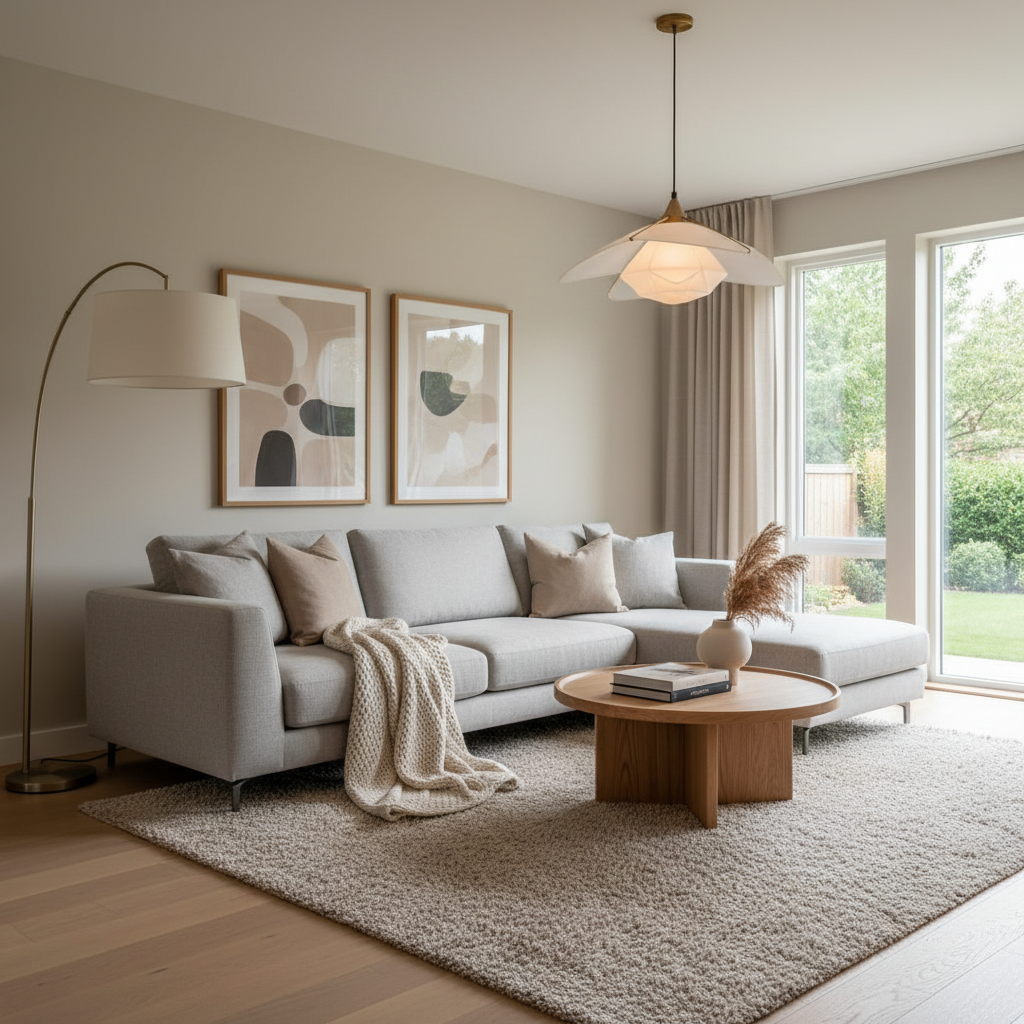
If you only take one thing from this article, make it this: warmth comes from contrast that feels gentle and materials that add texture, not from clutter. We’ll end with a quick checklist and a simple weekend plan so you can act without overthinking.
What usually makes modern spaces feel cold
Most “cold modern” homes aren’t missing style, they’re missing a few balancing elements. Contemporary interior design often defaults to hard edges and big open sightlines, so any gap becomes obvious.
- Too much smooth, too little texture: glossy paint, flat rugs, and streamlined upholstery can read sterile together.
- Lighting is all overhead: a single ceiling fixture casts harsh shadows and flattens everything.
- Underscaled art and decor: small frames and tiny objects disappear on large walls and in open concept rooms.
- A neutral palette without warmth: “neutral” can mean icy if it leans blue-gray rather than creamy or earthy.
- Furniture that floats without grounding: common in sleek furniture trends, especially when rugs are too small.
According to American Society of Interior Designers (ASID)... good residential design typically prioritizes comfort and function alongside aesthetics, which is a helpful gut-check when a room looks right but doesn’t feel right.
Start with a neutral color palette decor that reads warm, not bland
A neutral base is still the easiest way to keep modern home decor cohesive, but the undertones matter more than people expect. If your “white” is stark, your “gray” is cool, and your floors are gray LVP, warmth won’t magically appear.
Easy palette adjustments that don’t require repainting everything
- Shift textiles warmer: swap bright-white pillows for ivory, oatmeal, camel, or warm taupe.
- Add one grounded accent color: olive, rust, cognac, ink navy, or terracotta works well with Scandinavian style decor too.
- Bring in natural wood: even one oak or walnut surface (coffee table, bench, or frames) softens a room.
- Use black sparingly: black adds structure, but too much can feel sharp in small spaces.
If you’re repainting, look at “warm whites” and “greige” families, then test in morning and evening light. Paint chips lie, your room lighting wins.
Layer statement lighting fixtures (this is the fastest warmth upgrade)
If your room has only one ceiling light, it will fight every cozy decision you make. Layered lighting is the grown-up secret behind inviting modern spaces, and it’s where statement lighting fixtures earn their keep.
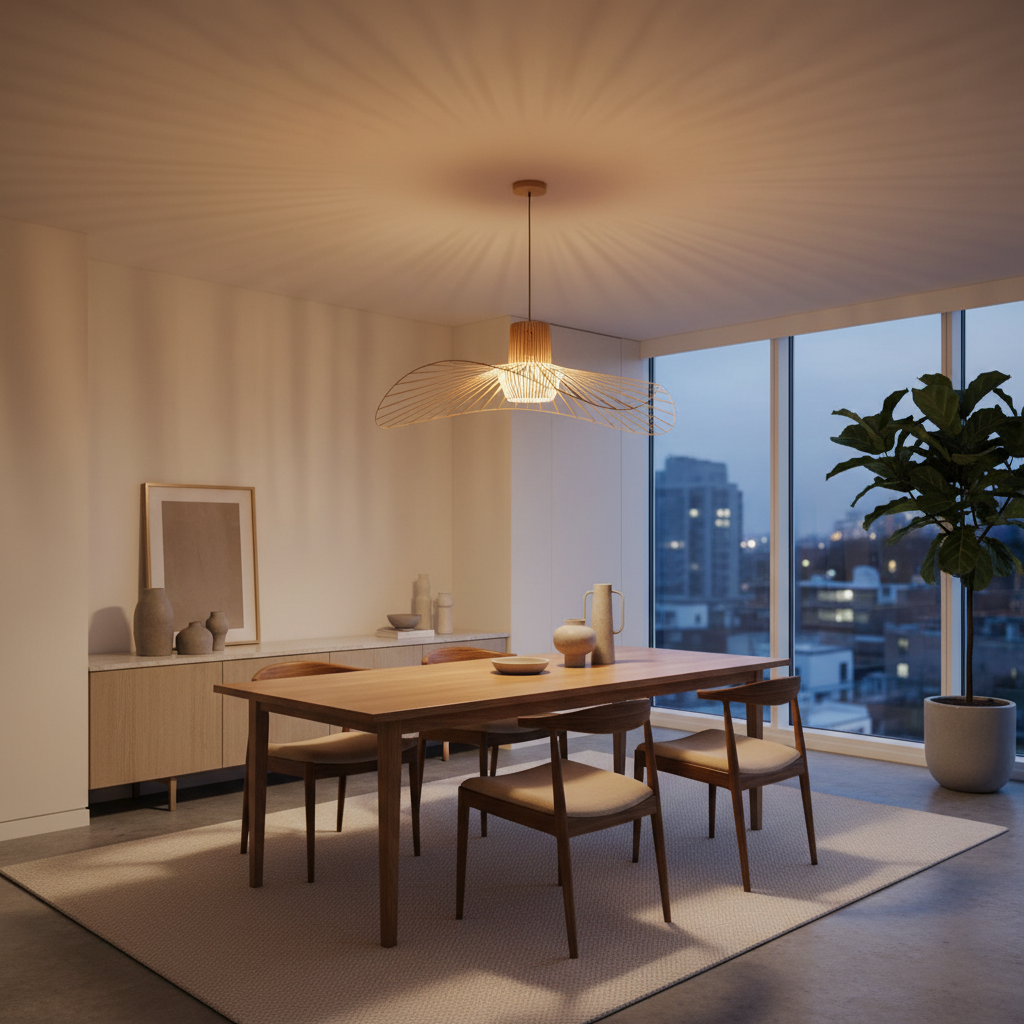
A simple lighting stack that works in most homes
- Ambient: ceiling fixture or recessed lights on a dimmer.
- Task: reading lamp by the sofa, pendants over a kitchen island, desk lamp in a corner.
- Accent: picture light, wall sconces, or a small lamp on a console for glow at eye level.
For bulbs, many households prefer 2700K to 3000K for living spaces, it tends to feel warmer than 4000K. If wiring changes come up, it’s smart to consult a licensed electrician, especially in older homes.
Minimalist living room ideas that still feel lived-in
Minimalism works when the room has intention, not when it has emptiness. The “warm modern” version of minimalist living room ideas leans on a few generous items that invite use.
What to keep, what to add
- Keep: clean-lined sofa, simple media console, one or two side tables.
- Add: a larger rug (often 8x10 or 9x12 in U.S. living rooms), a textured throw, and pillows with varied weaves.
- Edit: tiny decor clusters that create visual noise without adding comfort.
One practical rule, if it doesn’t improve comfort, acoustics, or function, it probably won’t improve warmth either. A thick rug and curtains can also reduce echo in open concept styling, which makes a home feel calmer.
Mix styles on purpose: mid-century modern accents + modern farmhouse style
People get nervous about mixing. You can, but do it with a plan, otherwise it looks like hand-me-down chaos. Mid-century modern accents bring warm woods and friendly shapes, modern farmhouse style brings rustic texture, together they can balance sleek furniture trends.
Two safe mixing formulas
- Modern base + mid-century punctuation: modern sofa and rugs, then add a walnut credenza, spindle chair, or brass arc lamp.
- Contemporary base + farmhouse texture: streamlined furniture, then add a chunky knit, linen drapes, or a reclaimed-wood console.
Keep one “through-line” consistent: either the wood tone, the metal finish, or the shape language (rounded vs. angular). That consistency is what reads as intentional.
Modern wall art ideas that actually hold a room together
Art is where modern home decor turns personal. It’s also where scale mistakes happen most. Small art on a big wall looks hesitant, and hesitant rooms rarely feel warm.
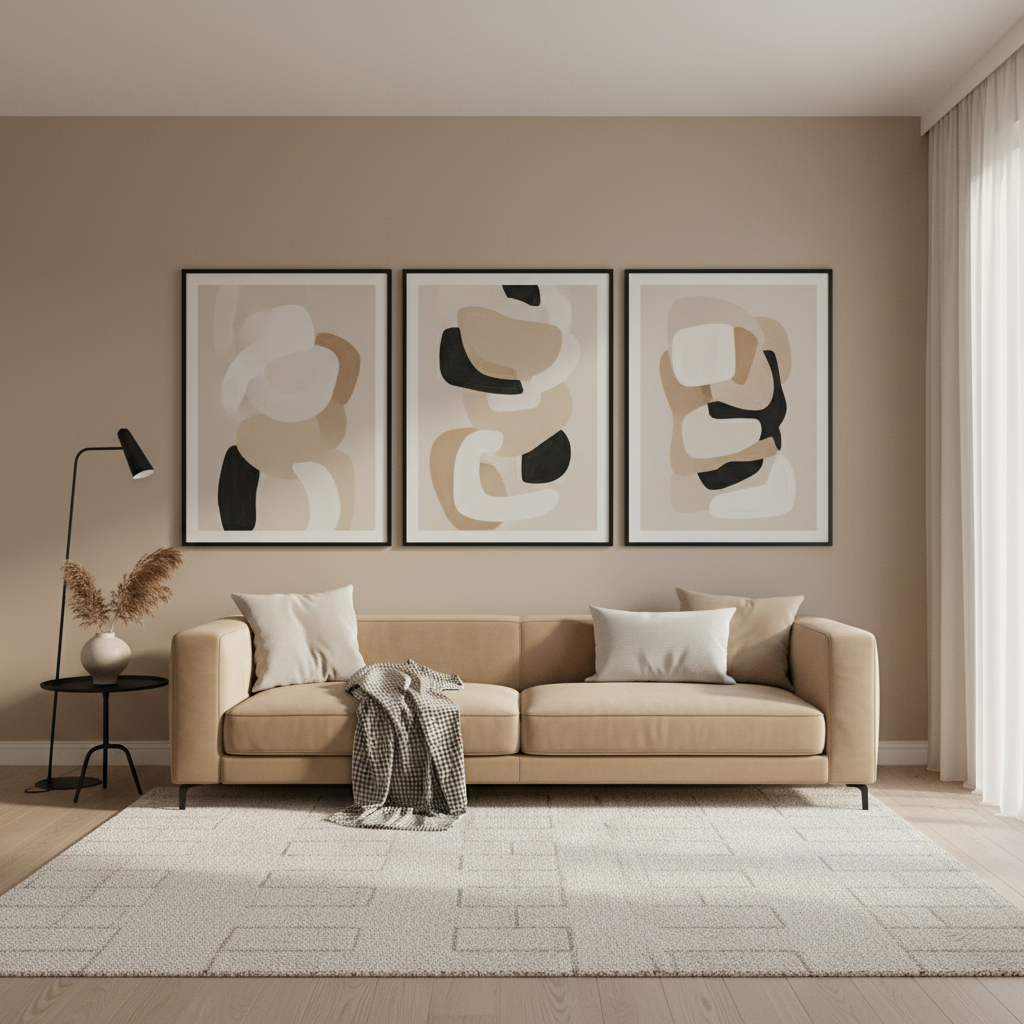
Scale and placement guidelines (quick and forgiving)
- Go bigger than you think: one large piece often looks calmer than a busy cluster of small frames.
- Hang at human height: center of art roughly around eye level, then adjust based on furniture height.
- Match mood to palette: in neutral color palette decor, art can add warmth through clay, sand, blush, or earthy tones.
If you prefer a gallery wall, keep frame finishes consistent and limit the color story to avoid visual clutter in open concept spaces.
Open concept styling: define zones without building walls
Open concept styling looks modern, but it can feel “floaty” when every area blends into the next. Zoning brings comfort because it tells your brain where life happens.
Ways to create zones that still look clean
- Rugs as boundaries: one for living, one for dining, even if they share a palette.
- Lighting as landmarks: pendant over dining, floor lamp in living, they create visual “addresses.”
- Furniture alignment: float the sofa with a console table behind it to mark the living area edge.
- Repeat materials: same wood tone in two zones ties everything back together.
This is also where Scandinavian style decor shines: simple forms, warm woods, and soft textiles help an open plan feel calm rather than empty.
Practical shopping guide: what to change first (with a quick table)
If you’re budgeting, prioritize changes that affect the whole room at once. A new lamp that changes evening light can outperform a dozen small accessories.
- Key takeaway: pick one “warmth anchor” per room (rug, curtains, or lighting), then add texture and art scale.
- Key takeaway: keep sleek furniture trends, but offset with at least two tactile materials (wool, linen, leather, raw wood).
- Key takeaway: in modern home decor, fewer items works better when each item is properly sized.
| Upgrade | Why it warms the room | Typical effort |
|---|---|---|
| Rug (bigger, thicker) | Adds texture, absorbs sound, grounds furniture | Low |
| Layered lamps + warm bulbs | Creates cozy glow and soft shadows | Low to Medium |
| Oversized wall art | Fixes blank walls, adds personality | Low |
| Curtains (linen or textured) | Softens edges, improves acoustics | Medium |
| Swap one wood/metal finish | Removes “mixed by accident” feeling | Medium |
A realistic weekend plan (so you don’t get stuck scrolling)
Pick one room. Set a timer. Make the space feel better fast, then refine later. This approach tends to beat the “perfect mood board” loop.
Saturday: reset the foundation
- Measure rug and art wall space, write numbers down.
- Declutter surfaces, keep only items you would miss.
- Reposition furniture so seating faces a focal point, not random corners.
Sunday: add warmth on purpose
- Add two light sources at eye level, even inexpensive table lamps help.
- Introduce one warm material: wood tray, leather pillow, woven basket, or boucle throw.
- Hang one appropriately sized art piece, then stop and live with it for a week.
If you’re renting, focus on reversible upgrades: plug-in sconces, peel-and-stick picture hooks rated for your frame weight, and textiles.
Conclusion: warm modern is about fewer, better decisions
Warmth in a modern space usually comes from three moves: a neutral palette with friendly undertones, lighting that layers instead of blasts, and textures that soften sleek lines. Once those are in place, adding mid-century modern accents, modern farmhouse texture, or Scandinavian simplicity becomes a style choice, not a rescue mission.
If you want a clean next step, pick one room and do two upgrades this week: add a second light source and increase one item’s scale (rug or art). You’ll feel the difference quickly, and it makes every future purchase easier to judge.