
Home style is easier to choose when you stop chasing labels and start paying attention to what you want your space to do for you day to day.
A lot of people get stuck because “What’s my style?” sounds like a big identity question, and Pinterest makes it worse by showing ten different interior design styles that all look good. The result is usually a cart full of random “modern home decor” pieces that never quite click together.
This guide keeps it practical: you’ll learn how to spot your real preferences, translate them into a simple direction (even if you like more than one look), and make confident choices room by room. No personality quiz required.
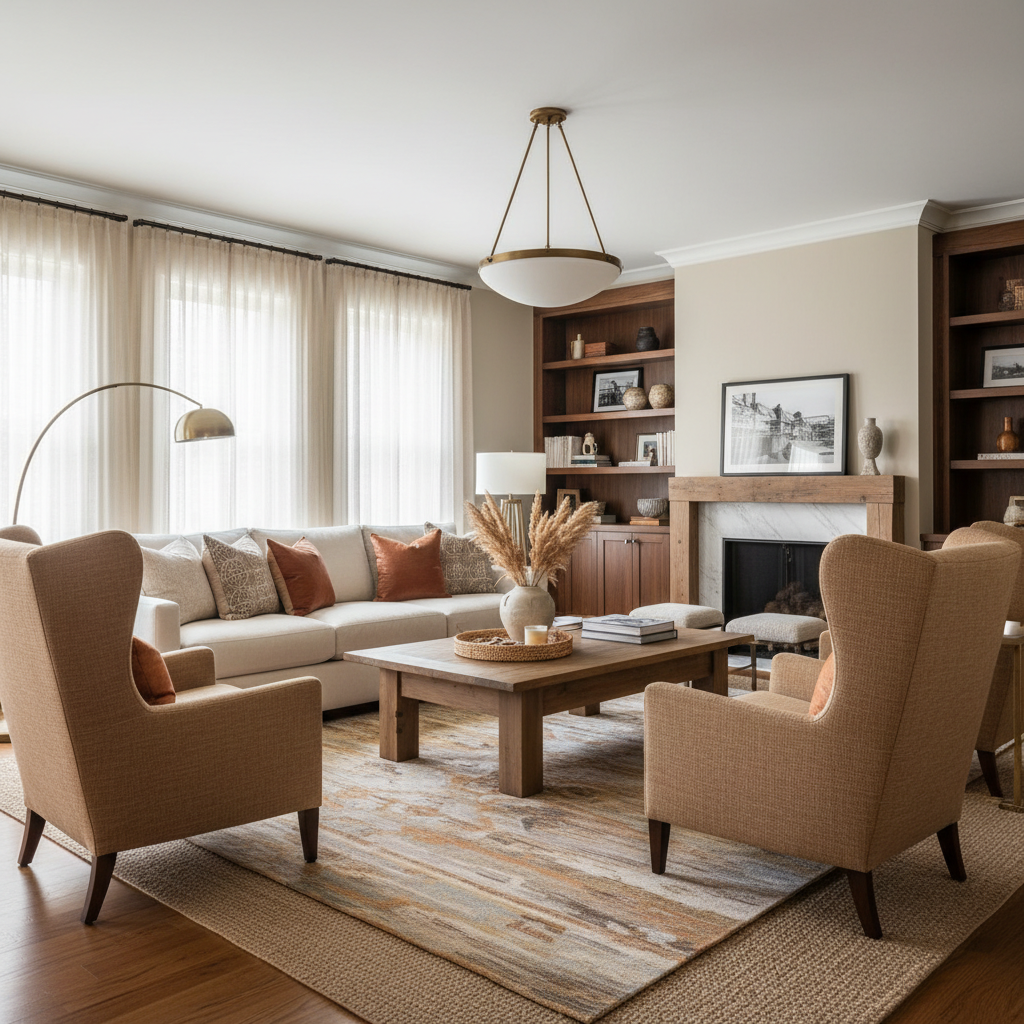
Start with how you want the room to feel, not what it’s called
Most “style confusion” is really “comfort and function confusion.” You can like boho chic home decor in photos, but if you hate visual clutter, that look will stress you out in real life.
Try choosing three feel-words per space, then let those words filter everything else. Examples that translate well into shopping decisions:
- Calm: fewer patterns, softer contrast, more negative space
- Collected: mixed materials, a few vintage pieces, imperfect symmetry
- Crisp: cleaner lines, smoother textures, tighter color range
- Cozy: warm woods, layered lighting, tactile textiles
Once you have feel-words, the home style you land on tends to reveal itself as a set of repeatable choices, not a badge you must commit to forever.
Why your saved photos look good, and your room doesn’t (yet)
Inspiration photos work because they share a handful of consistent decisions, even when they mix influences like transitional interior style or rustic home interiors. The room isn’t “perfect,” it’s simply coherent.
When a space feels off, it’s usually one of these:
- Scale mismatch: small rug under a big sofa, tiny art on a large wall
- Too many finishes: five wood tones, three metal colors, none repeated
- Lighting imbalance: only overhead lighting, no warm layers
- Competing statements: bold patterned rug + busy gallery wall + loud curtains
According to The American Society of Interior Designers (ASID)... a well-designed space typically balances function with aesthetics and supports the occupant’s well-being, which is a helpful reminder: if the room is annoying to live in, the “style” won’t save it.
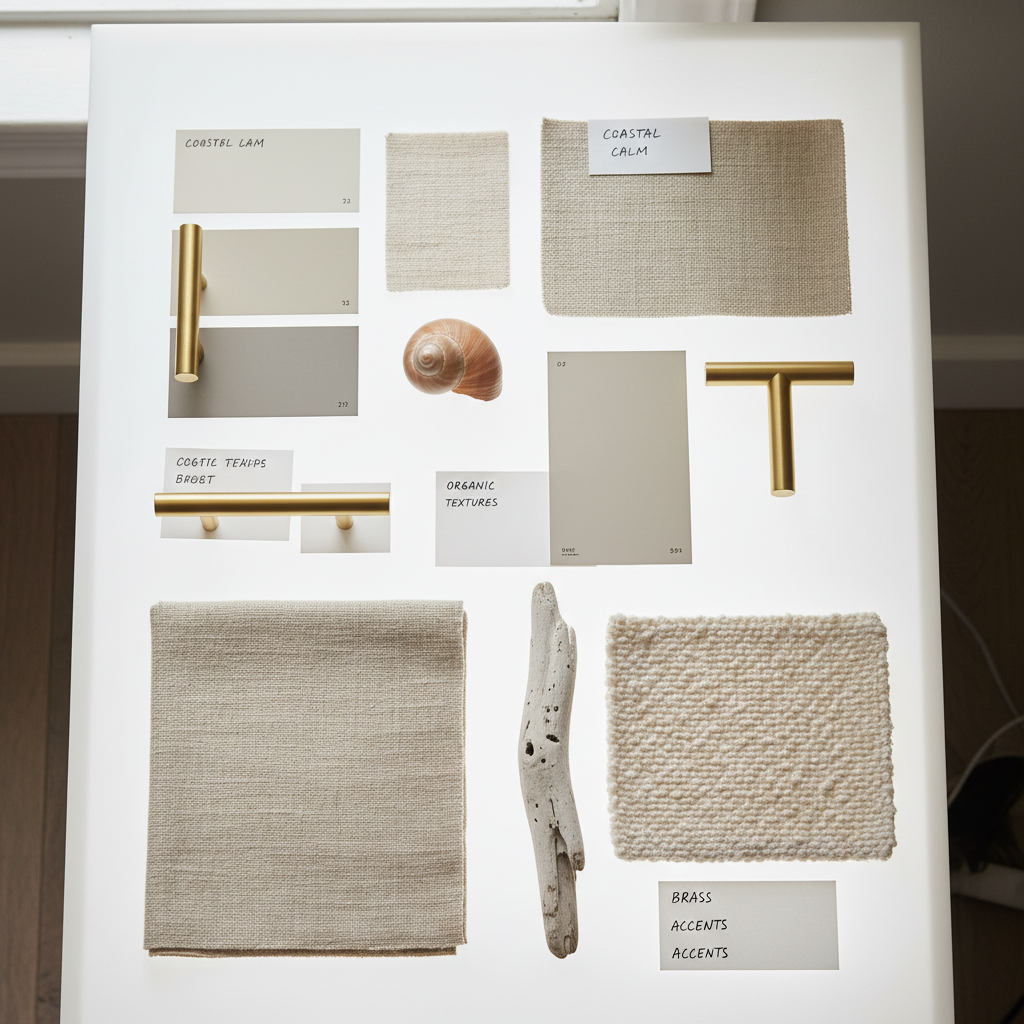
A quick self-check: which styles are you actually pulled toward?
You don’t need to pick one label, but you do need a “dominant lane.” Use this fast checklist to narrow interior design styles without spiraling.
Pick the column you agree with most
| What you prefer | Style directions that often fit |
|---|---|
| Clean lines, low visual noise, purposeful objects | Minimalist home aesthetic, modern home decor |
| Warmth, classic shapes, familiar layouts, timeless pieces | Traditional home design, transitional interior style |
| Natural textures, worn finishes, character, handmade feel | Rustic home interiors, farmhouse style decor |
| Light colors, airy rooms, relaxed vacation energy | Coastal decor ideas, soft contemporary |
| Pattern mixing, global accents, playful color, layered textiles | Boho chic home decor, eclectic transitional |
Now choose a “base style” and one “accent style.” For example: modern base + coastal accents, or traditional base + rustic touches. That combo approach keeps your home style flexible while still coordinated.
Build a simple style recipe (so decisions get easier)
A style recipe is a short set of constraints you reuse. It’s not restrictive, it’s calming. Here’s a template that works for most homes:
- Color palette: 1 neutral base, 1 secondary neutral, 1 accent color
- Materials: choose 2 woods max, 1 metal finish, 1 “soft” texture (linen, wool, boucle)
- Shapes: mostly curved or mostly straight, with a little contrast
- One repeatable motif: slatted wood, black frames, cane, blue-and-white, arches
If you want a quick example for contemporary living room ideas: warm white walls, medium oak wood, black metal accents, solid textiles, one big abstract art piece, then keep the rest quiet.
Room-by-room moves that deliver the “look” faster
People often start with decor because it’s fun, then wonder why it doesn’t feel finished. Flip the order: anchor pieces first, then fill in.
Living room (where style shows the most)
- Rug first (size matters): it should usually reach under front legs of seating
- Sofa second: pick the silhouette that matches your lane, tailored for modern, rolled-arm for traditional, slipcovered for coastal
- Lighting third: at least two sources, and warm bulbs if you want cozy
- Art last: one large piece often beats many small ones in a minimalist home aesthetic
Kitchen and dining (where finishes do the heavy lifting)
- Repeat hardware finish across the space, then add one secondary metal in small doses
- If you like farmhouse style decor, keep it grounded: simple shaker fronts, fewer signs, more real materials
- For modern home decor, watch “too stark” by adding wood or textured stools
Bedroom (where comfort should win)
- Choose bedding like a palette: solids plus one texture, avoid five competing patterns
- Layer light: a lamp on each side if possible, even if they don’t match perfectly
- If you love boho chic home decor, keep the headboard and rug calm, let textiles carry the interest
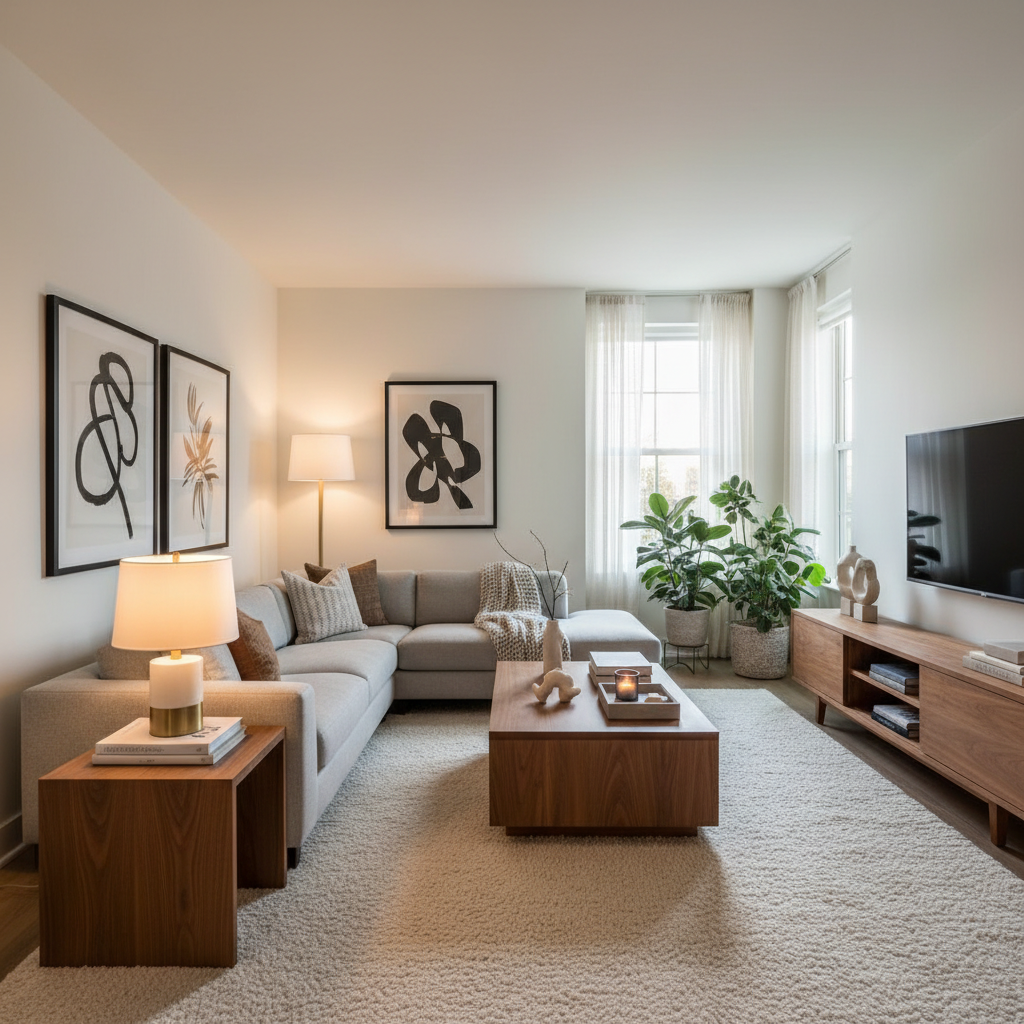
Common traps that make home style feel impossible
These are the mistakes that waste the most money and create the most second-guessing, even for people who know exactly which interior design styles they like.
- Buying “statement” too early: a loud chair or bold wallpaper forces every other decision
- Chasing trends: you can borrow a trend, but don’t build your whole home style around it
- Ignoring undertones: warm white paint and cool gray tile fight, even if both are “neutral”
- Over-decorating shelves: leave breathing room, negative space is part of the design
- Mixing eras without a bridge: add one unifying element like consistent frames or repeated wood tone
If you’re trying to blend traditional home design with modern home decor, the bridge is usually restraint: fewer ornate details, cleaner silhouettes, and consistent finishes.
When it’s worth bringing in professional help
If you feel stuck after you’ve set a palette and picked anchor pieces, the issue might be layout, scale, or renovation constraints. That’s where a pro saves real time.
- Layout problems: awkward traffic flow, furniture that blocks doors, TV placement dilemmas
- Renovation decisions: flooring, tile, built-ins, electrical and lighting plans
- Big-budget purchases: custom sofa, built-in cabinetry, window treatments
According to the National Kitchen & Bath Association (NKBA)... planning and professional guidance can help align layout, materials, and functionality, especially when you’re coordinating multiple trades. If your project involves structural changes, wiring, or plumbing, it’s usually wise to consult licensed professionals for safety and code compliance.
Key takeaways (save this before you shop)
- Pick feel-words per room, then let them filter every choice.
- Choose a base style plus an accent style, instead of forcing one label.
- Write a style recipe for colors, finishes, shapes, and one repeatable motif.
- Buy anchors before accessories, especially in the living room.
- Coherence beats novelty; repetition is what makes a room look intentional.
Picking a home style doesn’t need to be a big existential project, it can be a handful of consistent decisions you repeat until your space starts feeling like you. If you do one thing this week, build a tiny style recipe and use it to say no to the stuff that doesn’t fit, your future self will thank you at checkout.
If you want a low-effort next step, take five saved photos you genuinely love, circle the repeated elements (colors, wood tones, shapes), then shop only for pieces that match those repeats.
If you’re running into “I like everything” or you’re blending farmhouse style decor with contemporary living room ideas and nothing feels cohesive, a short consult with a designer or an organized room plan can be the fastest way to turn preferences into a clear direction.