
best non slip bath mats shower shopping sounds simple, but the “wrong” mat can still slide, trap water, or get grimy fast, which defeats the whole point of shower safety.
If you’re buying for kids, aging parents, post-surgery recovery, or just a slippery tub, the details matter more than the label. Drainage patterns, suction design, surface texture, and even your tub material can change how well a mat grips day to day.
This guide breaks down what actually makes a shower mat non-slip, what to avoid, and how to choose based on your bathroom setup. You’ll also get a quick comparison table and a checklist you can use before you click “buy.”
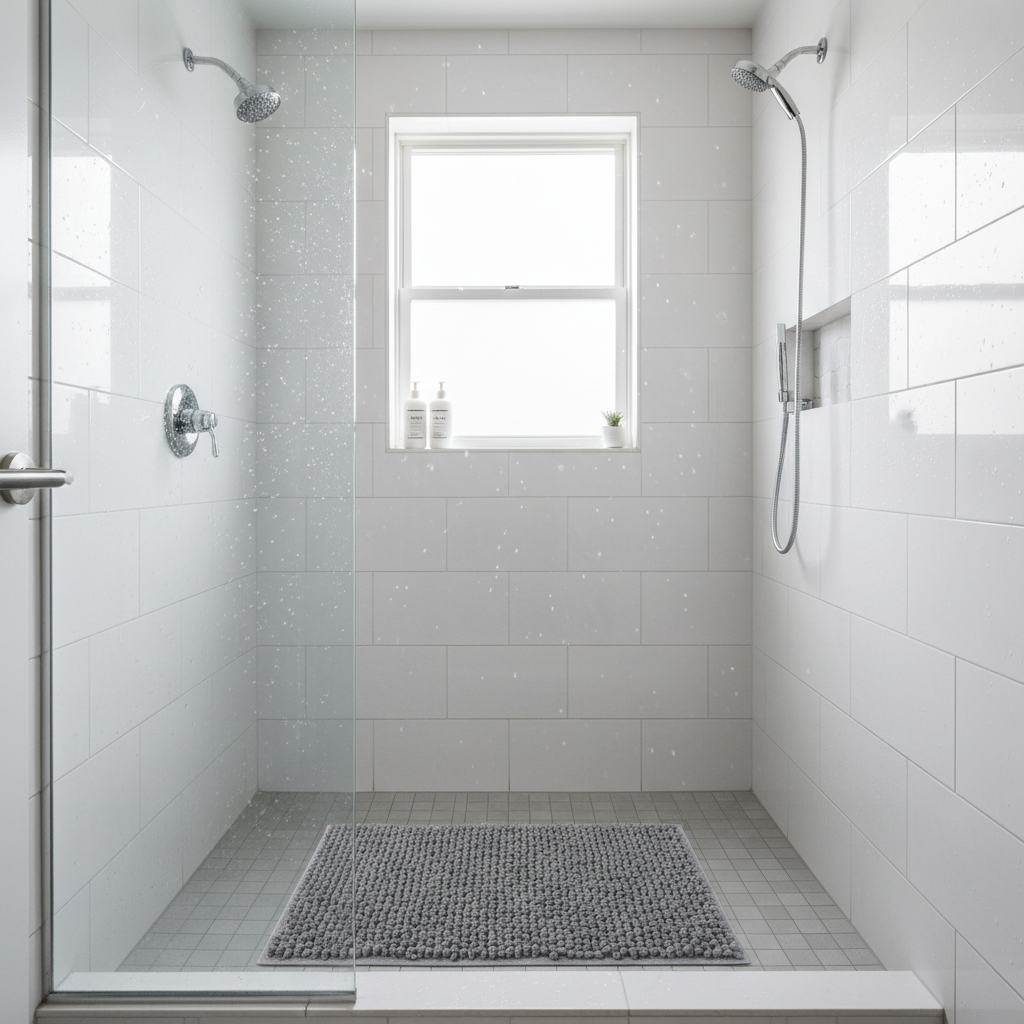
What makes a shower mat truly non-slip (and why some fail)
“Non-slip” usually means a mix of surface traction and how the mat anchors to the tub or shower floor. Many mats only do one of those well, then users blame themselves when it shifts.
Most real-world failures come from mismatch: the mat design doesn’t suit your surface (textured tub floor, pebble tile, curved tub, etc.), or the mat can’t drain well so it starts to float slightly under water.
- Suction and contact area: More suction cups can help, but only if they’re well-spaced and your surface is smooth enough to seal.
- Drainage: Look for holes or channels that move water out from under the mat, not just decorative perforations.
- Top texture: A textured surface improves grip, but overly aggressive textures can be uncomfortable on bare feet.
- Edge design: Curled edges catch toes and invite peeling, especially in tubs with curved bottoms.
- Material stability: Some materials harden or warp over time, which reduces grip and increases trip risk.
According to the CDC, bathrooms are a common location for slip-and-fall injuries at home, and wet surfaces increase risk. A good mat doesn’t remove all risk, but it can reduce “easy slip” moments when water and soap build up.
Quick comparison table: which bath mat type fits your shower?
Here’s a practical way to narrow options without overthinking it. This isn’t a brand list, it’s a “pick the right category” view, which tends to age better than any single product recommendation.
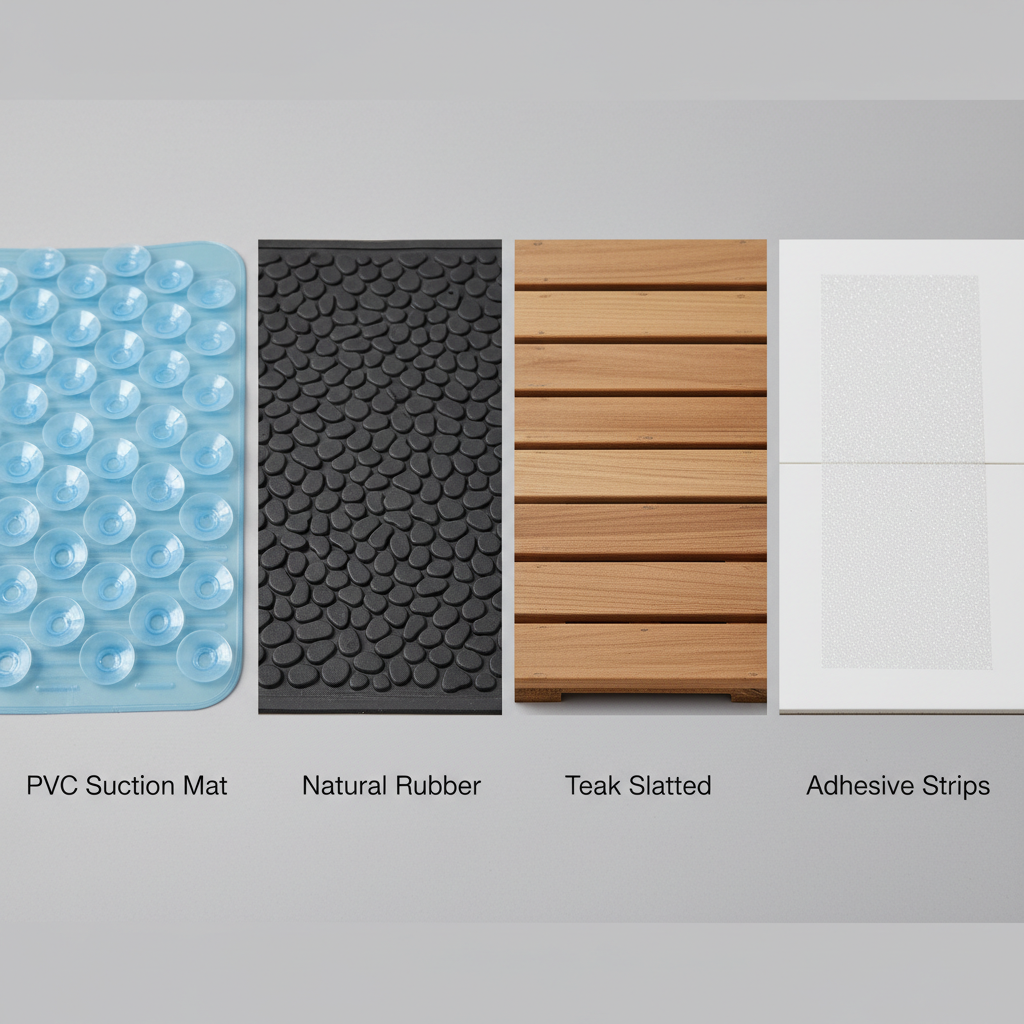
| Type | Best for | Pros | Watch-outs |
|---|---|---|---|
| PVC/vinyl suction-cup mat | Smooth tub floors | Strong anchoring, affordable, widely available | May trap water; can get slimy if not cleaned often |
| Rubber suction mat | Users who want more “grip feel” | Good traction, often more durable | Rubber smell in some models; can stain if poor quality |
| Microfiber shower mat (outside shower) | Stepping out of the shower | Absorbent, comfortable | Not for inside wet shower floor; can slip if no backing |
| Teak/wood slatted platform | Walk-in showers, spa look | Fast drainage, elevated surface | Needs periodic drying/maintenance; fit can be tricky |
| Adhesive anti-slip strips | Textured tubs or small areas | Custom placement, easy to target slick zones | Adhesive wear; removal can be annoying |
A fast self-check: what kind of “slip risk” do you actually have?
Before you search “best non slip bath mats shower” again and scroll for an hour, do this quick check. It usually tells you whether a suction mat will work, or if you should switch to strips or another approach.
- Your shower floor: smooth acrylic/fiberglass, textured tub bottom, tile with grout lines, pebble stone, or a coated surface?
- Where you slip: turning to rinse hair, stepping over the tub wall, or right under the shower stream?
- Who’s using it: kids, older adults, anyone with balance issues, or anyone who uses mobility aids?
- Water behavior: does water pool, drain slowly, or run under the mat and “lift” it?
- Cleaning reality: will you realistically wash it weekly, or is that not happening?
If you have a textured floor or pebble tile, suction cups often struggle to seal well. In that case, strips or a platform-style solution may be more stable.
How to choose the best non slip bath mats for shower safety (by scenario)
People tend to buy by star rating, but safety gear works better when you buy by constraints. Here are the most common setups and what usually works.
Smooth tub or shower pan (acrylic/fiberglass)
- Prioritize dense suction coverage and good drainage holes.
- Pick a size that covers your “turning zone,” not just the drain area.
- Avoid extra-thick mats that feel cushy but can hold water underneath.
Textured tub bottom or small traction bumps
- Consider anti-slip adhesive strips placed where you pivot and step.
- If you still want a mat, look for cups designed for light texture, but expect mixed results.
Tile shower with grout lines (walk-in shower)
- Look for mats designed for tile, with flexible backing that can conform slightly.
- If grout lines are deep, strips sometimes outperform full mats.
- Make sure your choice doesn’t block drainage or create standing water.
Older adults, rehab, or higher fall risk
- Choose a mat with high traction but comfortable texture, feet placement matters when balance is limited.
- Pair it with grab bars and a stable routine. According to the National Institute on Aging, home fall prevention often works best as a set of changes, not a single product.
- If dizziness, neuropathy, or medication side effects are involved, it may be worth discussing fall risk with a clinician or physical therapist.
Installation and maintenance: the part that decides whether it stays “non-slip”
A lot of mats get returned for “doesn’t stick,” when the real issue is soap film or oils on the tub. This is also where mildew problems begin, especially in humid bathrooms.
- Before first use: Clean the tub floor to remove conditioner residue, body oil, and bath products, then rinse well.
- How to place it: Press from the center outward so suction cups seal evenly, don’t just toss it down.
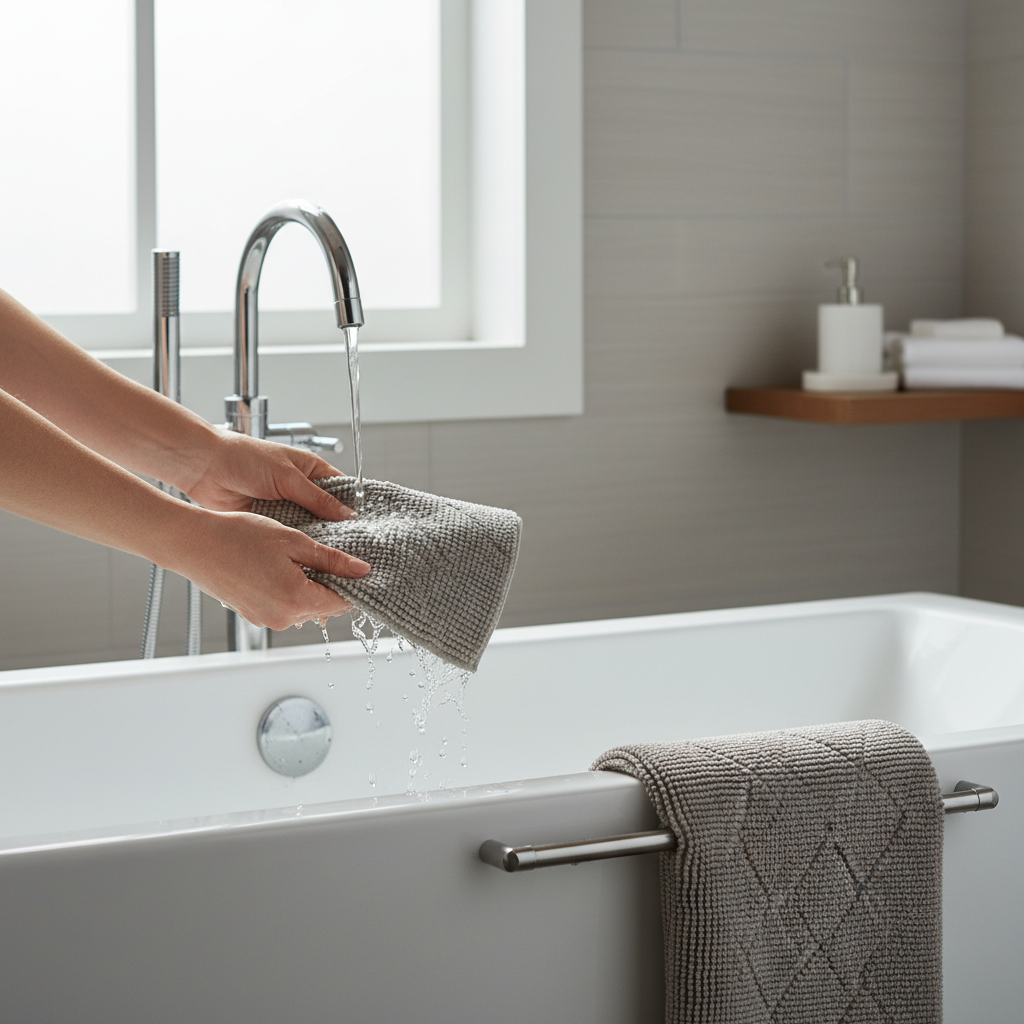
- After showers: If possible, lift and rinse the underside, then hang to dry. It’s annoying, but it slows down slime buildup.
- Weekly: Wash with mild soap and warm water. If you use a disinfectant, follow label instructions and ventilate.
According to the EPA, moisture control is a key factor in limiting mold growth indoors. A mat that never fully dries is more likely to smell, stain, and lose grip over time.
Common mistakes that make “non-slip” mats less safe
Some safety issues look minor until someone catches a toe or the mat shifts during a turn. These are the patterns that come up repeatedly.
- Buying too small: A tiny mat leaves the slick turning area exposed, especially under the shower stream.
- Ignoring edge curl: If corners lift, treat it as a trip hazard, not a cosmetic problem.
- Layering products: Putting a mat on top of strips or over an existing textured insert can reduce contact and create wobble.
- Assuming “extra soft” equals safer: Cushy surfaces can feel unstable for some users, especially older adults.
- Skipping upkeep: Soap scum and mildew aren’t just gross, they can reduce traction and make the mat slide.
Key takeaways and what to do next
If your goal is shower safety, the best choice usually comes down to matching your floor type and being honest about maintenance. A well-fitting mat with good drainage, placed correctly, tends to outperform a “fancier” one that never fully seals or dries.
- Action step 1: Identify your shower surface (smooth vs textured vs tile) and choose mat vs strips accordingly.
- Action step 2: Once installed, test it gently with dry feet and then wet feet, if it shifts, return it or switch types.
If you’re buying for someone at higher fall risk, consider pairing the mat with grab bars or a shower chair, and if there’s a medical reason for balance issues, a professional opinion may help you prioritize changes.
FAQ
What is the best non slip bath mats shower option for a textured tub floor?
Many textured tub floors make suction cups unreliable because they can’t form a tight seal. In that setup, adhesive anti-slip strips or targeted traction decals often work better than a full suction mat.
Do suction cup shower mats damage acrylic tubs?
Usually they don’t “damage” the tub by themselves, but trapped moisture and grime can discolor surfaces over time. The bigger issue is residue buildup, so cleaning and drying habits matter.
How often should I clean a non-slip shower mat to avoid mildew?
Many households do best with a weekly wash and a quick rinse-and-dry routine after use. If your bathroom stays humid or ventilation is weak, you may need to clean more frequently.
Are microfiber bath mats safe to use inside the shower?
Most microfiber mats are intended for outside the shower where they absorb water as you step out. Inside the shower, they can stay saturated and may slip unless specifically designed for wet-floor use.
What size shower mat should I buy for a standard bathtub?
A common mistake is choosing a mat that only covers the center. Measure the area where you stand and turn, then select a size that covers that “working zone” without blocking the drain.
Why does my non-slip mat still slide even with suction cups?
Sliding often comes from soap film on the tub, a textured surface that prevents suction, or water getting trapped under the mat. Cleaning the surface and switching to a better drainage design usually helps, but sometimes strips are the more reliable fix.
Can I use anti-slip strips and a shower mat together?
It depends on the exact products, but stacking traction solutions can reduce contact and create uneven footing. Many people get better results choosing one system and installing it correctly.
If you’re trying to make a bathroom safer for a parent, a rental unit, or a busy household that won’t baby a high-maintenance mat, a simple “surface check + right category choice” often saves time and returns, and it gets you to a setup you can actually live with.