
How to clean fabric shower curtains comes up the moment you notice that faint musty smell, pink spots near the hem, or soap scum that makes the whole bathroom feel less clean than it is. The good news, most fabric curtains can be washed safely at home, and you do not need harsh chemicals to get a noticeably fresher result.
Where people get stuck is usually not the washing part, it is the prep work, choosing the right cycle, and drying in a way that does not invite mildew right back. This guide walks through what to do for machine-washable curtains, what to do for “spot-clean only” fabrics, and how to keep the liner and rings from becoming the next problem.
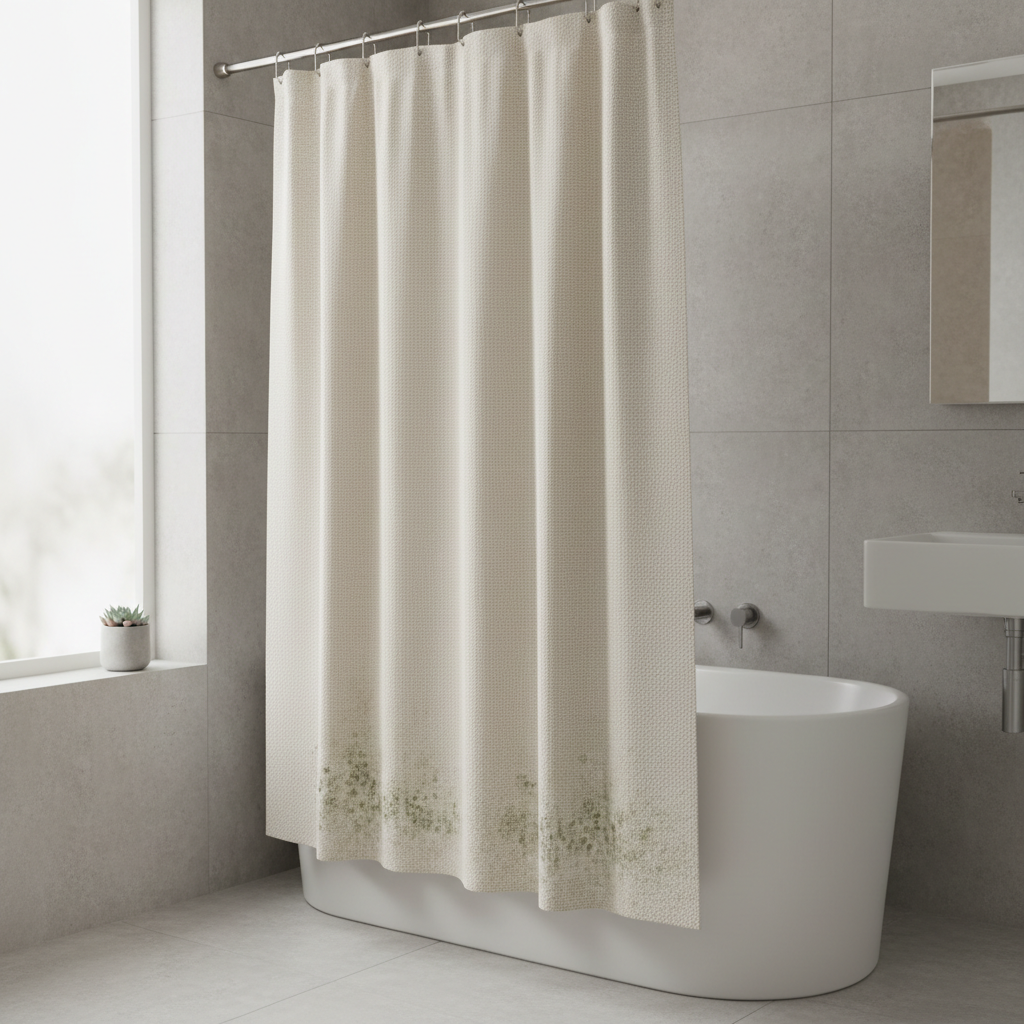
One quick note before you start, always check the care label. Many “fabric” curtains are polyester and handle the washer well, while some cotton blends, embroidered panels, or coated finishes need gentler handling.
Before you wash: what fabric, how dirty, and what the label really means
Most of the time, your cleaning plan depends on two things, the fiber and the problem you see. Soap scum and hard-water film behave differently than mildew, and heavy fragrances can mask smells without fixing the cause.
According to CDC, mold can trigger symptoms for some people, especially those with asthma or allergies, so if your bathroom has ongoing moisture issues, it can be worth addressing ventilation as part of your cleaning routine.
Common curtain types (and what usually works)
- Polyester fabric curtains: typically machine-washable on gentle or normal, cold or warm.
- Cotton or cotton blend: often washable, but more prone to shrink or wrinkle, lean cold water and gentle drying.
- Heavily decorated, textured, or coated curtains: may require hand-washing or spot cleaning to avoid damage.
Quick “damage risk” checks
- Dye that rubs off when you wipe with a damp white cloth
- Metal grommets with rust, sharp edges can tear fabric in the wash
- Loose stitching, tassels, or glued trim
Machine-wash method (the one most people should start with)
If the label allows machine washing, this is the simplest, most consistent approach. The goal is to lift body oils and soap residue while lightly agitating away mildew that sits on the surface.
Step-by-step
- Take it down, remove hooks and rings, and shake it out over a tub or outdoors.
- Pre-treat obvious spots (mildew specks, makeup, orange hard-water marks) with a small amount of liquid laundry detergent.
- Wash on gentle with cold or warm water, using your regular detergent.
- Add a helper: toss in 1–2 white towels to increase gentle scrubbing action and keep the curtain from bunching.
- Optional odor boost: add 1/2 cup white vinegar to the rinse cycle if the curtain holds onto smells.
Key point: Skip fabric softener most of the time. It can leave a residue that attracts grime and may reduce water repellency on some fabrics.
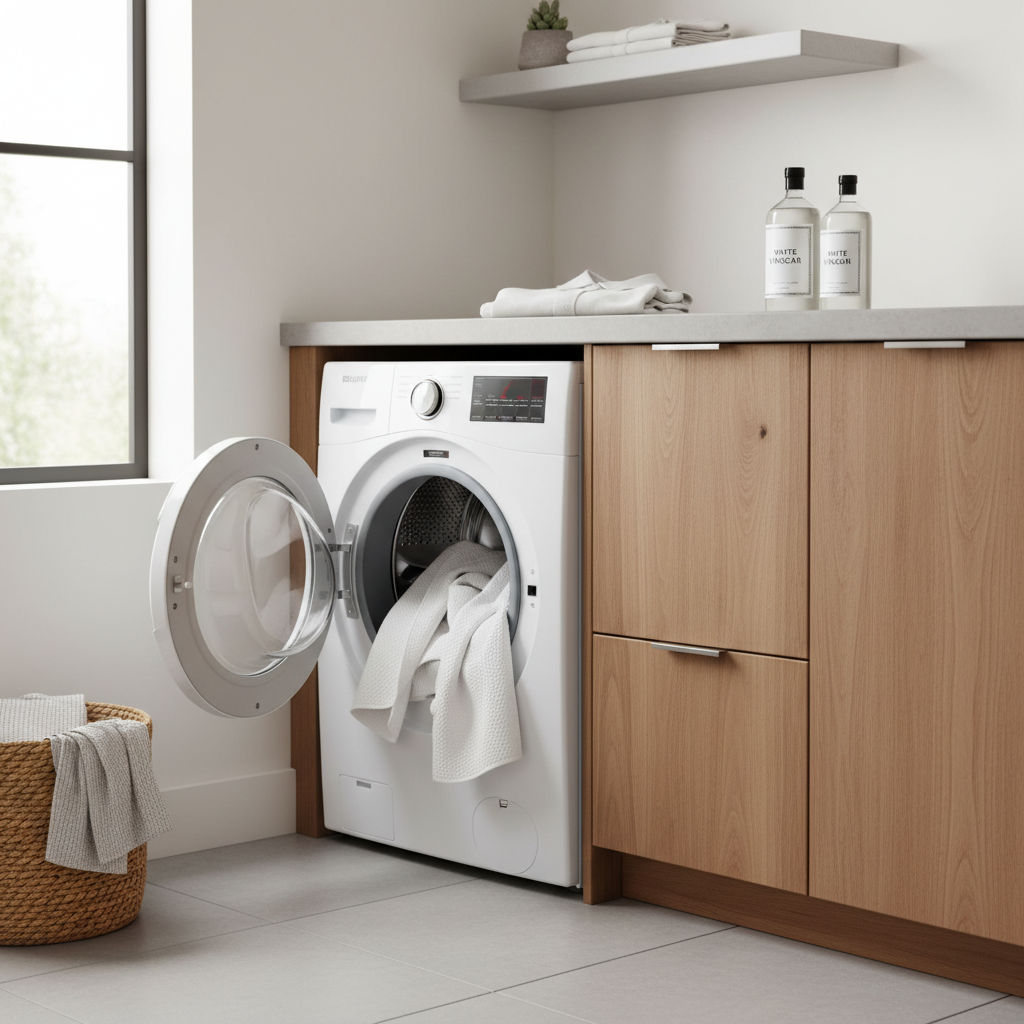
For how to clean fabric shower curtains with heavier buildup, you can repeat the wash once rather than cranking the water hotter or using more detergent. Overdosing detergent often backfires because residue lingers.
Hand-wash and spot-clean options for delicate curtains
If your curtain is lined, embroidered, or “spot clean only,” hand washing usually keeps it looking better. It takes a bit more time, but it is predictable and low risk.
Hand-wash in a tub (works well for mildew at the hem)
- Fill the tub with lukewarm water and a small amount of mild detergent.
- Submerge the curtain and swish gently, focus on the lower third where buildup collects.
- Let it soak 15–30 minutes, then lightly scrub with a soft cloth or non-scratch sponge.
- Drain and rinse until water runs clear.
Spot-clean for small stains
- Soap scum: warm water plus a drop of dish soap, wipe, then rinse.
- Mildew specks: a paste of baking soda and water, dab and gently rub, then rinse well.
- Rust stains near grommets: rust removers can damage dyes and fibers, test in an inconspicuous area first, and consider replacing rusting rings.
If you are sensitive to fumes or you have respiratory conditions, stronger chemicals may be irritating, so a milder approach and better ventilation often makes more sense. When in doubt, a local cleaning professional can advise based on fabric and bathroom conditions.
Drying and rehanging: where mildew problems usually restart
Getting it clean is only half the job. If you rehang a damp curtain in a humid bathroom with poor airflow, mildew can return faster than you expect.
Drying options (choose one)
- Air-dry on the rod: rehang it fully spread out, turn on the exhaust fan, and leave the curtain closed so it dries flat.
- Air-dry over a line: best for cotton or delicate trims, keeps heat away.
- Low-heat tumble (only if label allows): remove while slightly damp to reduce wrinkles, then finish air-drying.
According to EPA, controlling moisture is a core part of preventing mold growth indoors, so if your fan is weak or your bathroom stays damp, improving ventilation may matter more than changing cleaners.
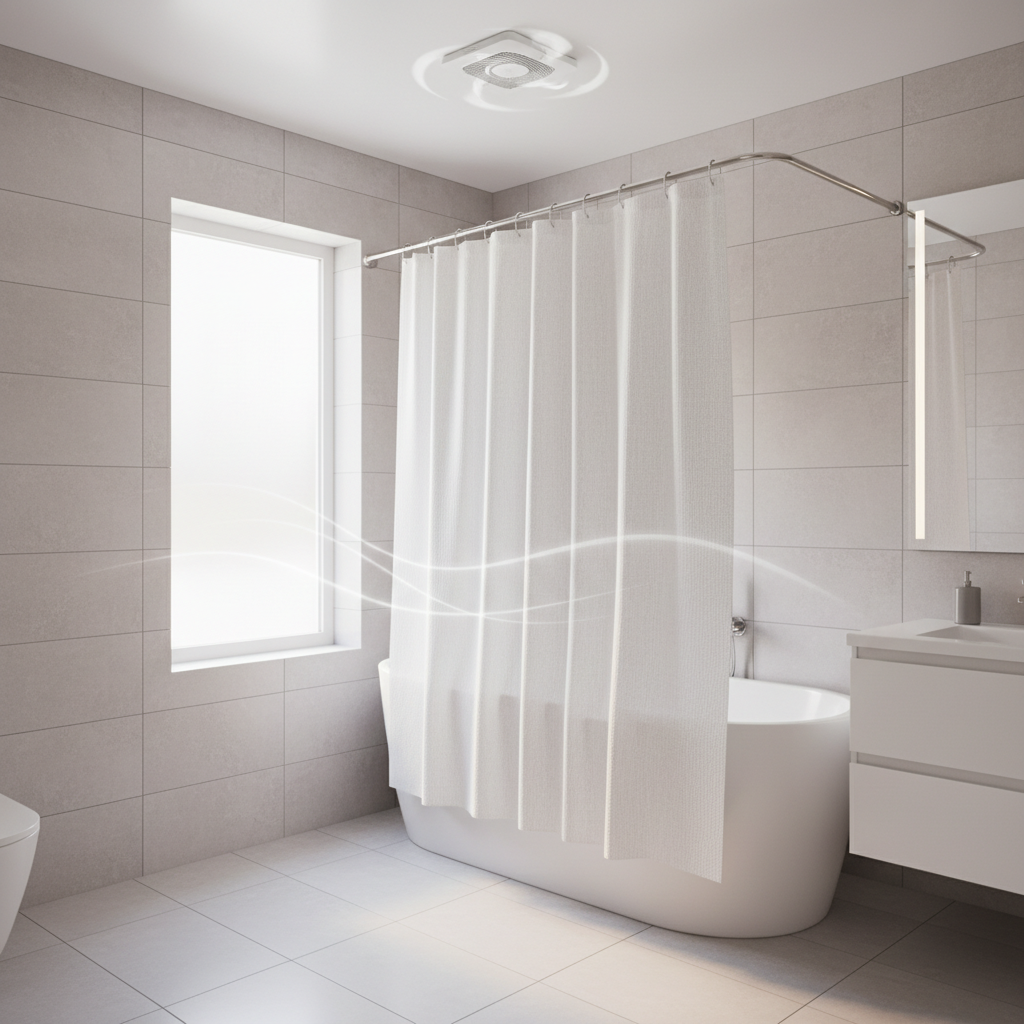
If you are trying how to clean fabric shower curtains to get rid of persistent odor, prioritize a complete dry. “Looks dry” is not always dry at the hem and seams.
A simple schedule that keeps curtains from getting gross again
Most households do better with light maintenance than occasional “rescue washes.” Curtains sit in splash range every day, so small habits add up.
- Weekly: after the last shower, pull the curtain closed so it dries evenly, and run the fan 15–30 minutes if possible.
- Monthly: rinse or wipe the bottom hem, especially if you have hard water.
- Every 2–3 months: machine wash or hand wash, more often in humid climates or busy bathrooms.
Key takeaway: If you constantly see pink or black spots, the issue is often moisture plus residue, not “not enough bleach.” Adjust drying and ventilation first.
Cheat sheet: what to use for each problem
Here is a practical reference for choosing a method without overthinking it.
| Problem | What it usually is | Best approach | What to avoid |
|---|---|---|---|
| Musty smell | Damp fabric, trapped residue | Gentle wash + vinegar rinse, then full air-dry | Masking with fragrance only |
| Pink spots near hem | Biofilm that thrives in moisture | Wash, improve drying, wipe hem monthly | Leaving curtain bunched after shower |
| Black mildew specks | Mold on surface and seams | Pre-treat, wash, dry completely | Hot drying if label warns against heat |
| White haze | Soap scum, minerals | Warm rinse, mild detergent, occasional vinegar | Abrasive scrubbers on delicate fabric |
| Wrinkles after washing | Fiber response to heat or spin | Low spin, rehang damp to relax | High heat that sets creases |
Common mistakes that waste time (or damage the curtain)
Most “it did not work” stories come from a few predictable missteps.
- Using too much detergent, residue holds onto odor and attracts grime.
- Skipping the rinse, especially after baking soda or spot treatments.
- Overusing chlorine bleach, it can weaken fibers and discolor prints, and fumes may irritate sensitive people. If you choose bleach, follow the product label carefully and ventilate well.
- Rehanging damp in a closed bathroom, that is basically a mildew invitation.
- Forgetting the rings and rod, rust and biofilm can recontaminate a clean curtain.
When to replace the curtain or get extra help
Sometimes cleaning is not the smart path, especially when the fabric has deep staining or the bathroom keeps feeding the problem.
- Stains remain after two gentle washes and thorough drying, especially at seams and hems.
- The curtain smells musty again within a day or two, even when it dries fully.
- You see widespread mold in grout, ceiling corners, or drywall, not just on the curtain.
According to CDC, if you have significant mold growth at home or recurring moisture issues, it may be worth consulting a qualified professional to assess and remediate safely, especially if anyone in the household has asthma, allergies, or a weakened immune system.
Conclusion: keep it simple, keep it dry, and you win
How to clean fabric shower curtains is mostly about a gentle wash, targeted spot treatment, and drying habits that stop mildew from coming right back. If you pick the right method for your fabric and fix the “always damp” situation, the curtain usually stays fresh longer with less effort.
If you want a quick next step, check the care label, do one gentle wash with towels, then rehang it fully spread with the fan running, it is the fastest way to see a real difference.
FAQ
- Can I put a fabric shower curtain in the washing machine?
Many polyester and some cotton curtains are machine-washable, but the care label matters. If it says machine wash, use a gentle cycle and avoid high heat when drying. - What temperature should I use to wash a fabric shower curtain?
Cold or warm water works for most buildup. Hot water can shrink cotton and may damage coatings, so it is usually a “only if the label allows” choice. - How do I get mildew out of the bottom of a fabric shower curtain?
Pre-treat the hem, then wash with detergent and consider adding vinegar to the rinse. The bigger fix is drying, keep the curtain spread out after showers and improve airflow. - Is vinegar safe for fabric shower curtains?
White vinegar is commonly used in laundry as a deodorizing rinse, but it is still a mild acid. Use it in the rinse cycle rather than pouring directly on prints, and test first if the fabric is delicate. - Should I use bleach on a fabric shower curtain?
Sometimes it helps with visible mildew on white, bleach-safe fabrics, but it can weaken fibers and irritate lungs. If you use it, follow the product label, ventilate well, and do not mix it with other cleaners. - Why does my shower curtain smell even after washing?
Usually the curtain did not dry fully, or detergent residue stayed in the fabric. Try an extra rinse, skip softener, and make sure the hem and seams dry completely. - How often should I clean my fabric shower curtain?
Every 2–3 months works for many bathrooms, but humid homes or busy showers may need monthly washing. If you notice pink spots or musty odor, that is your cue to shorten the cycle.
If you are trying to simplify your bathroom cleaning routine, it can help to set a repeating reminder and treat the curtain like a washable textile, not a “clean it once a year” item, and if moisture keeps coming back, improving ventilation and swapping rusting rings often pays off faster than changing products.