
how to remove rust from bathroom fixtures starts with one practical truth: what looks like “rust” in a bathroom is sometimes iron deposits from water, sometimes actual corrosion on the metal, and the fix changes depending on which one you have.
If you go in with the wrong tool, you can trade a stain for a permanent scratch, dull chrome, or a slow leak that shows up later. This is why quick hacks feel hit-or-miss, they ignore what the fixture is made of and where the staining comes from.
This guide helps you diagnose what you’re seeing, pick a method that matches the finish, and remove staining with common household products. You’ll also get prevention steps that matter in real bathrooms, especially in hard-water areas.
Figure out what you’re dealing with (rust vs. “rust-like” stains)
Before you scrub, take 30 seconds to identify the stain. A lot of frustration comes from treating mineral staining like corrosion, or treating corrosion like a surface stain.
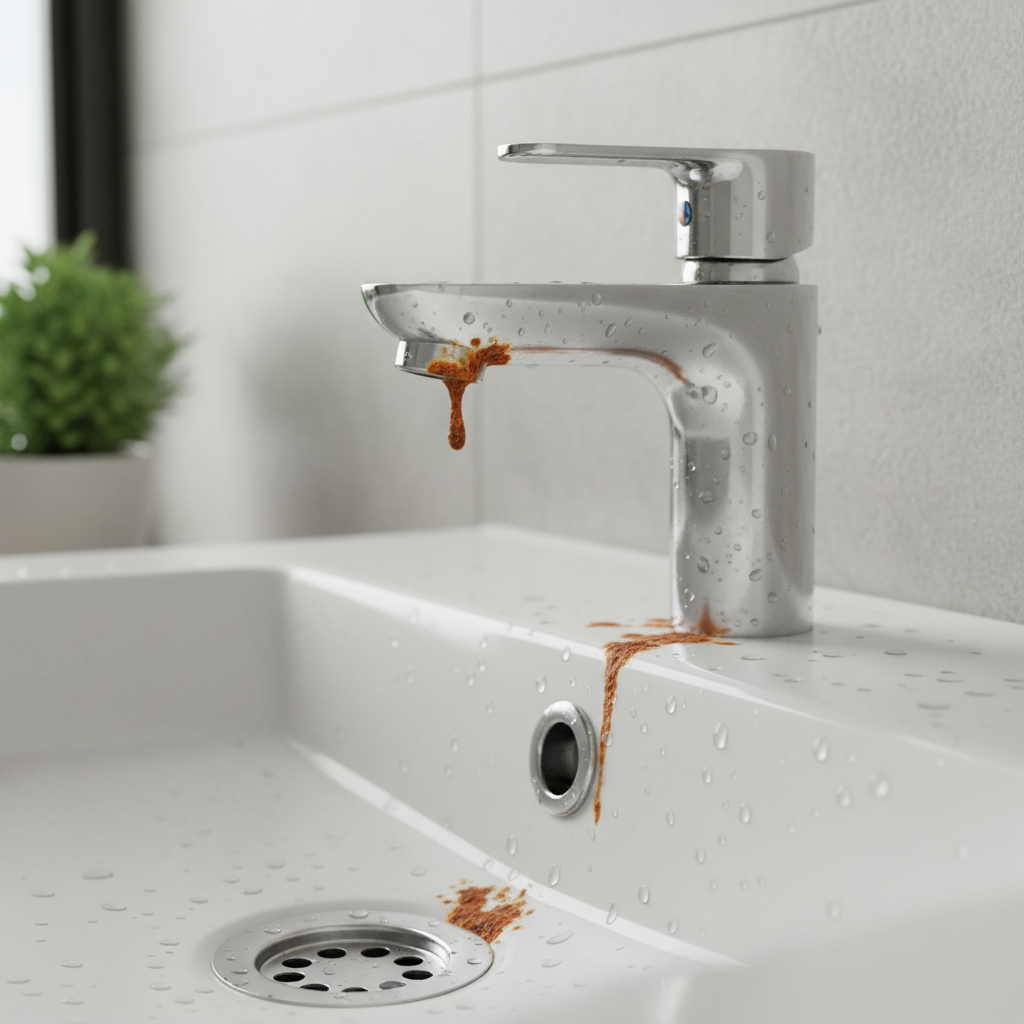
- True rust on steel/iron parts: orange-brown, often rough or pitted, may spread from a chip or worn spot in the finish.
- Iron in water (iron bacteria/iron deposits): orange streaks around drains, overflow holes, or where water sits, but the metal itself may still feel smooth.
- Hard-water scale plus discoloration: chalky white/gray buildup with tan edges, usually around faucet bases and handles.
Quick check: rub a wet microfiber cloth across the spot. If it feels gritty or raised, you might have scale on top of the stain. If it feels pitted, the metal or plating may already be compromised, and you’ll want gentler cleaning plus a plan to protect or replace.
Know your fixture finish, because it changes what’s “safe”
Most bathroom fixtures look tough, but the surface can be surprisingly easy to damage. Chrome plating and brushed nickel can scratch, and some “oil-rubbed bronze” finishes are basically a coating that cleaners can strip.
- Chrome: common and durable, but shows scratches easily under bright light.
- Stainless steel: resists rust, but can still stain from iron deposits, use non-scratch methods first.
- Brushed nickel: can dull if you use harsh acids too often.
- Matte black / specialty coatings: avoid abrasive powders and strong acids, spot-test matters.
According to the U.S. Environmental Protection Agency (EPA), always follow product label directions and ventilation guidance when using cleaners, and store chemicals safely away from children and pets.
Choose the right rust-removal method (quick comparison table)
If you want a low-drama approach, match your method to the stain and surface. This table keeps it simple.
| Situation | Best first try | Use with caution |
|---|---|---|
| Light orange staining on chrome | White vinegar + microfiber | Abrasive pads, metal brushes |
| Rust ring around drain | Baking soda paste + gentle rub | Leaving acids on too long |
| Pitting or flaking finish | Gentle clean + dry + protect | Aggressive scrubbing (worsens peeling) |
| Staining returns fast (days) | Address water source + prevention | Repeated strong cleaners (finish wear) |
Step-by-step: remove rust from bathroom fixtures without scratching
The safest process is “soften, lift, rinse, dry,” not “scrub harder.” Give the cleaner time to work, then use light pressure.
1) Prep the area (small step, big payoff)
- Rinse the fixture with warm water to remove grit that can scratch.
- Plug the drain if you’re working near it, small parts can fall in.
- Ventilate the room if you’ll use any commercial product.
2) Start with vinegar for most surface staining
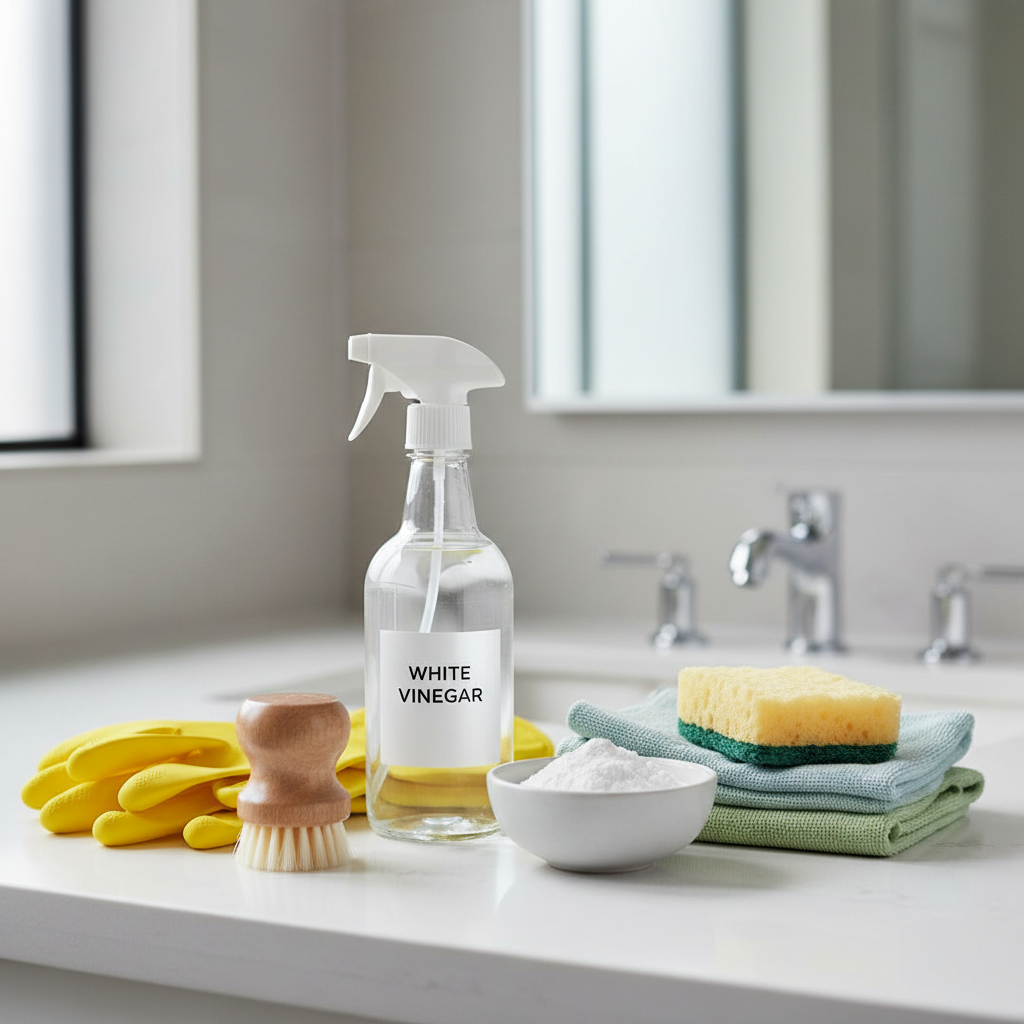
For many cases of how to remove rust from bathroom fixtures, white vinegar is a reasonable first attempt because it loosens mineral deposits and mild staining.
- Soak a paper towel or cloth in white vinegar and lay it on the stained area.
- Wait 10–20 minutes, keep it damp rather than dripping.
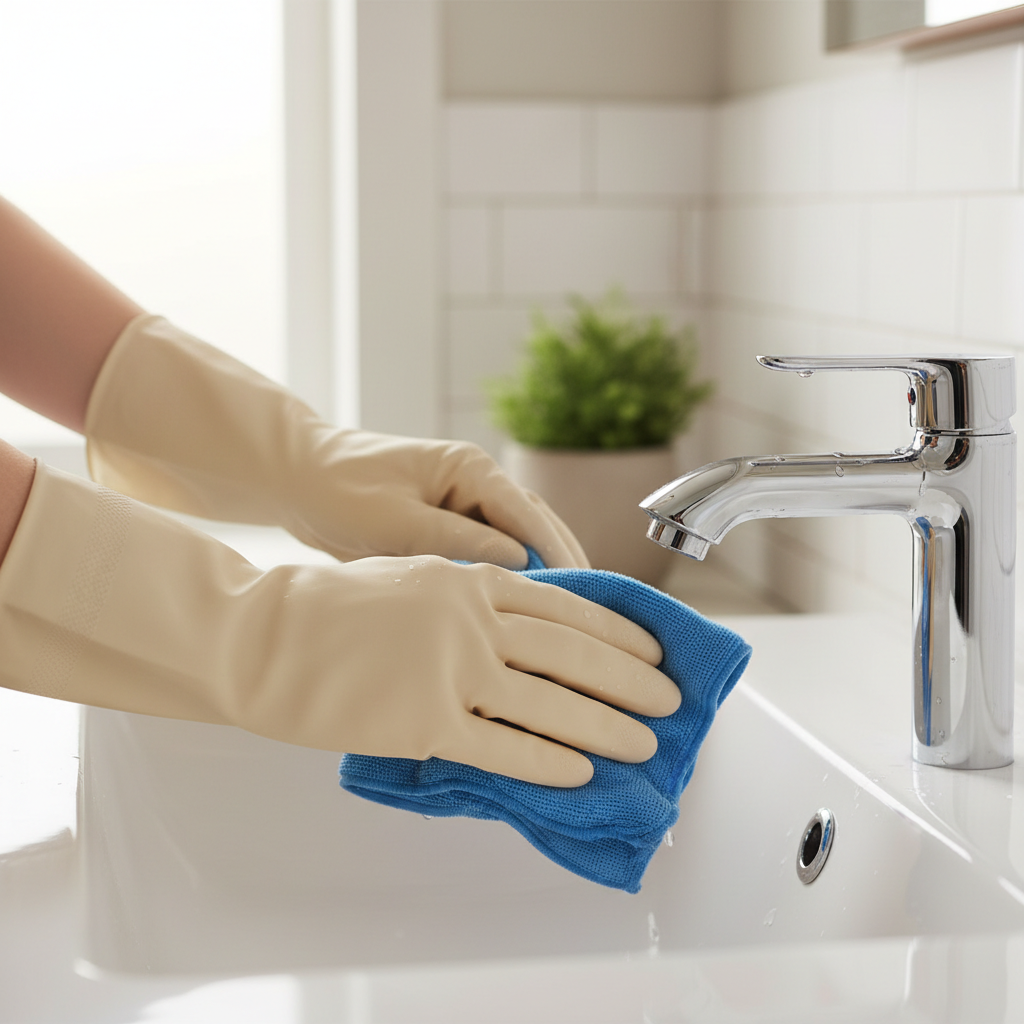
- Wipe gently with a microfiber cloth, then rinse thoroughly.
- Dry with a clean towel right away, leaving water behind invites return stains.
If you have a specialty finish, spot-test vinegar on a hidden edge first. Some coatings can dull with repeated acid exposure, even mild acids.
3) Use a baking soda paste when you need a little “grip”
If the stain laughs at vinegar, a paste often helps without going full abrasive powder cleaner.
- Mix baking soda with a small amount of water until it’s toothpaste-thick.
- Apply to the spot, let it sit 5–10 minutes.
- Rub lightly using a soft sponge or damp microfiber, then rinse and dry.
Tip: avoid the temptation to use a green scouring pad on chrome. It works fast, but the micro-scratches can make future staining stick more aggressively.
4) Escalate carefully: rust removers or oxalic-acid products
If you’ve tried gentle options and the stain persists, a targeted rust remover can work, but follow the label closely. According to the Centers for Disease Control and Prevention (CDC), mixing cleaning chemicals can create dangerous gases, so do not combine products like bleach with acids or ammonia.
- Choose a product labeled safe for your finish, and test a small spot.
- Use gloves, and keep contact time short.
- Rinse longer than you think you need, residue causes discoloration later.
Fast self-check: why the rust keeps coming back
If you remove the stain and it returns within a week or two, you’re probably dealing with an underlying cause, not just a dirty surface.
- Water sits on the fixture: slow drips, splashing at the base, or a wet soap dish nearby.
- Iron in your water: orange staining shows up in the toilet tank or around multiple drains.
- Damaged finish: chips, peeling plating, or rough areas that “grab” discoloration.
- Cleaning routine creates buildup: leaving products on too long, or not rinsing/drying well.
This is also where homeowners get stuck: they clean harder instead of changing what’s causing the stain cycle.
Prevent rust and staining (simple habits that actually work)
Prevention sounds boring until you’ve cleaned the same faucet three weekends in a row. These steps are usually enough for most households.
- Dry high-splash areas after showers or nightly, especially around faucet bases and drain flanges.
- Fix slow leaks and drips, constant moisture turns “minor stain” into “recurring problem.”
- Use a gentle weekly wipe with mild dish soap and water, then rinse and towel-dry.
- Consider water treatment if staining shows up everywhere, a plumber or water specialist can help confirm iron/hardness and options.
If you’re in a hard-water region, you may also see scale that traps discoloration. A periodic descaling routine, done gently, often reduces how often you have to think about how to remove rust from bathroom fixtures in the first place.
Common mistakes that waste time (or damage fixtures)
Some “internet tips” work on a beater utility sink, but they can be expensive mistakes on a nice faucet.
- Using steel wool on chrome: it can scratch and can even leave behind particles that later rust.
- Letting acids sit too long: even mild acids may dull certain finishes if left unattended.
- Skipping the rinse: cleaner residue can stain, especially around drains.
- Mixing cleaners: bleach plus acids is a common dangerous combo, avoid it completely.
If you’re unsure what the finish is, treat it as delicate, start with the least aggressive method, and move up slowly.
When it’s time to call a pro (or replace parts)
Sometimes the most “correct” fix isn’t more cleaning. If the finish is failing, you can remove discoloration today and still hate how it looks tomorrow.
- Visible pitting, flaking, or peeling plating: replacement parts or a new fixture may be the cleaner long-term solution.
- Rust around a leak point: a plumber can check for corrosion at connections, valves, or a failing drain assembly.
- Widespread orange staining across the home: consider a water test, a local water treatment pro can interpret results and recommend options.
If anyone in the home has asthma or chemical sensitivities, or if you’re using strong products in a small bathroom, it may be safer to ask a professional for product selection and ventilation guidance.
Key takeaways
- Identify the stain first, iron deposits and true rust do not behave the same.
- Start gentle with vinegar or baking soda paste, then escalate if needed.
- Avoid scratches, abrasion often makes future staining worse.
- Prevention matters, drying, rinsing, and fixing drips reduces repeat cleanup.
Conclusion: a cleaner fixture, without the collateral damage
Most people can handle how to remove rust from bathroom fixtures with a careful, finish-friendly routine: soften the stain, wipe it off gently, rinse thoroughly, then dry. If the stain keeps coming back, treat that as a clue, not a personal failure, it usually points to water issues, constant moisture, or a worn finish.
If you want one action that helps immediately, do this: clean once using the gentlest method that works, then commit to towel-drying the fixture for a week. You’ll learn fast whether the problem is surface staining or something deeper.