
laundry hacks save time water when you treat laundry like a small system, not a weekly emergency, the payoff is fewer rewashes, shorter cycles, and less water down the drain.
Most households do not waste water because they “use too much,” they waste it because clothes come out still smelly, still soapy, or still wrinkled, so the load gets re-run, extra rinses get added, or half-loads pile up out of frustration.
This guide focuses on the moves that actually stick in 2026: quick sorting that prevents dye accidents, detergent dosing that avoids residue, and settings that match fabric and soil level. Not glamorous, but it works.
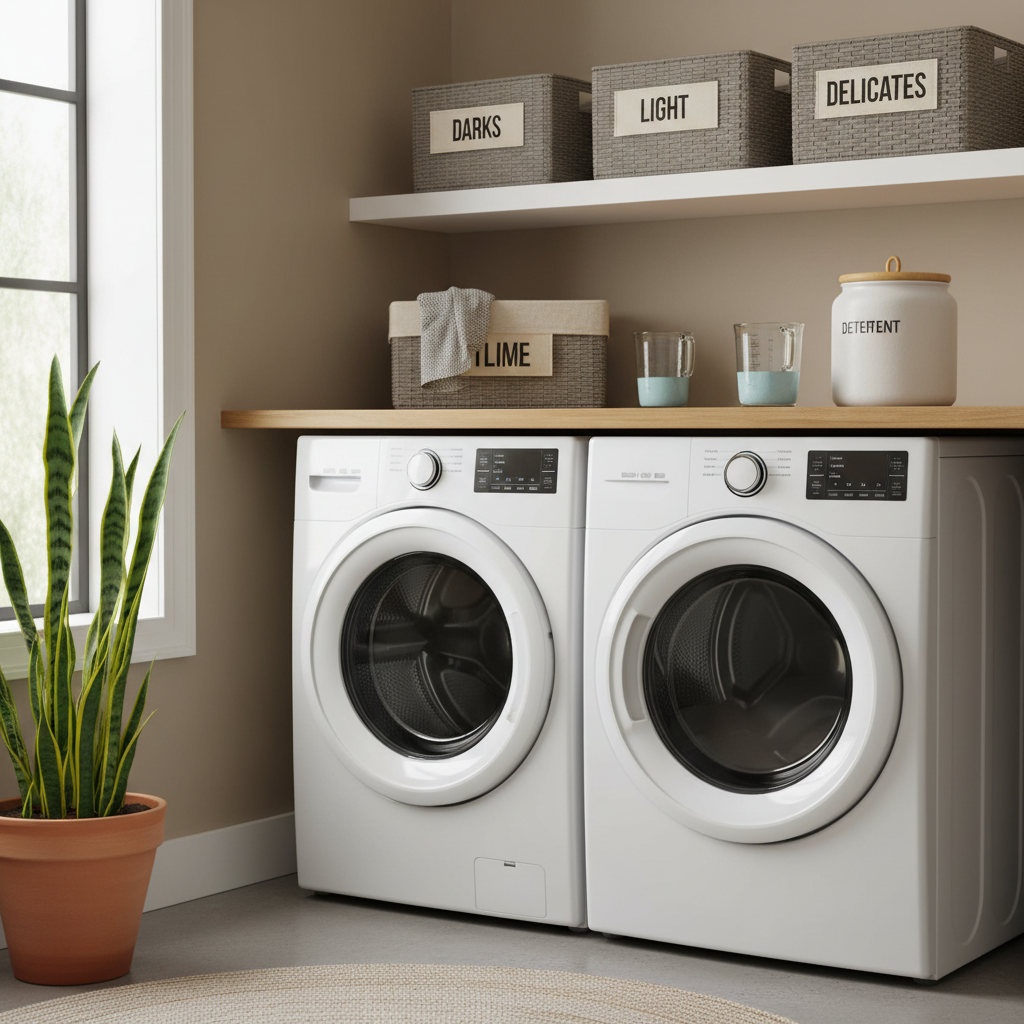
Why laundry tends to waste time and water (the real reasons)
Start with the boring truth: wasted time usually comes from decision fatigue and do-overs, and wasted water usually comes from over-correcting with “extra rinse” and “heavy duty” for everything.
- Rewashing from odor or residue, often tied to too much detergent, cold water on oily soil, or leaving wet laundry sitting.
- Half-load habits, when everyone runs “just their stuff,” the machine works more days per week than needed.
- Wrong cycle for the job, heavy-duty cycles can add time and extra agitation that you did not need for lightly worn items.
- Poor pre-treatment, skipping a 30-second stain step leads to a full rerun, which costs far more water than the pre-treat.
- Machine issues, clogged filters, overloaded drums, and unlevel machines can leave clothes wetter, increasing dryer time.
According to the U.S. Environmental Protection Agency (EPA), efficient WaterSense-style practices and water-efficient appliances can reduce water waste, but day-to-day behavior still matters because rewashing can quietly erase appliance savings.
A quick self-check: which situation are you in?
If you pick the wrong fix, you end up doing more work. Use this fast checklist and be honest, you only need one or two changes to feel a difference.
Pick the statements that describe your last 2 weeks
- I reran at least one load because it still smelled or felt soapy.
- I used “heavy duty” by default because I assumed it cleans better.
- I do not measure detergent, I eyeball it.
- I often wash small loads because I ran out of socks or workout gear.
- I forget laundry in the washer for hours.
- I notice lint, pet hair, or “mystery gray” on dark clothes.
Interpretation: if you checked the first three, focus on dosing, temperature, and cycle choice. If you checked the small-load and forgetting items, focus on batching and reminders. If lint and pet hair dominate your life, adjust sorting and drying steps so you do not add rinse cycles out of annoyance.
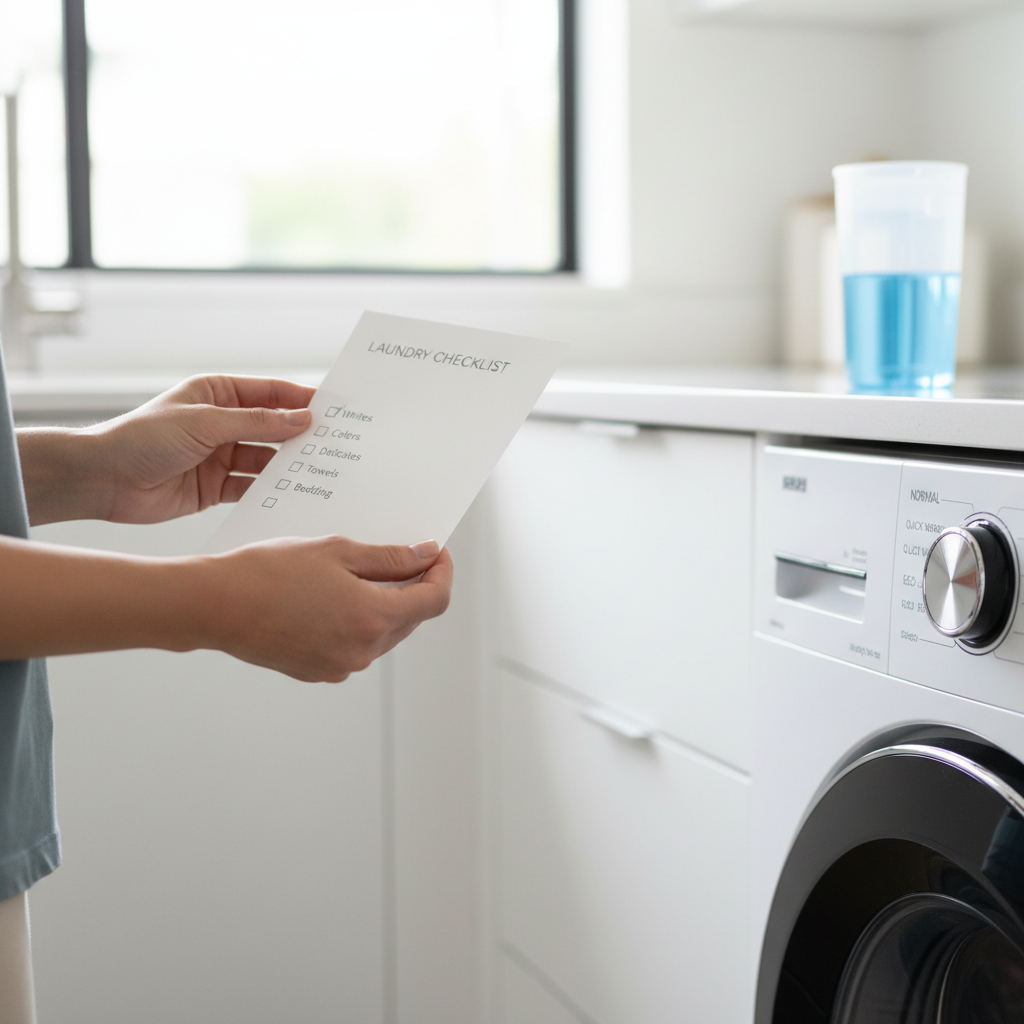
The highest-impact laundry hacks that save time and water
These are the “small effort, big reduction in reruns” plays. They are not all trendy, but they are what experienced households default to once they get tired of fixing laundry twice.
Measure detergent, then cut it slightly
In many washers, especially high-efficiency models, overdosing creates residue, which can trap odor and trigger extra rinses. Start by measuring, then reduce a notch if clothes feel slick or smell perfumey after drying.
- Use the manufacturer cap or a small measuring cup.
- If you have soft water, you often need less detergent than the label suggests.
- If you see suds in an HE washer window during the wash, that can be a sign you used too much.
Stop using “heavy duty” as a default
Heavy duty has a place, but for lightly worn everyday items it often adds minutes and water without a matching cleaning benefit. Try “normal” or “eco” and reserve heavier cycles for towels, muddy kid clothes, or heavily soiled workwear.
Pre-treat in 30 seconds to avoid a full rerun
Keep a stain stick or small spray near the hamper, treat when you take the item off. This is one of the few steps that consistently saves water because it prevents a second wash.
Batch by “soil level,” not just color
Color sorting helps, but time and water savings come when you avoid mixing lightly worn tees with greasy kitchen towels. Mixed soil levels push you into longer cycles and hotter water.
- Light soil: office wear, lightly worn tees, pajamas.
- Medium soil: kids clothes, regular underwear and socks.
- Heavy soil: towels, athletic gear, stained items, pet blankets.
Use the right water temperature for the stain type
Cold is convenient, but it is not universal. Body oils and some food stains respond better to warm water, which can reduce the temptation to wash twice. If you are unsure, test one item and follow garment labels.
According to the Centers for Disease Control and Prevention (CDC), laundering guidance for contamination scenarios varies by context, and higher heat may be recommended in some cases. For typical day-to-day loads, matching temperature to soil level is usually the practical approach.
Settings and routines that keep loads from bouncing back
Once you remove rewashes, everything speeds up. These routines are designed for real households, not perfect schedules.
Use a “two-basket” system that prevents micro-sorting
One basket for light/medium everyday items, one basket for towels and heavy soil. If you need delicates, make it a small mesh bag so it does not become a third pile that stalls you.
Set a washer-to-dryer timer for 60 minutes
Forgetting laundry causes mildew smell and forces a redo. A phone timer is enough, and if you work from home, tie it to a meeting break so it becomes automatic.
Spin speed is an underrated time saver
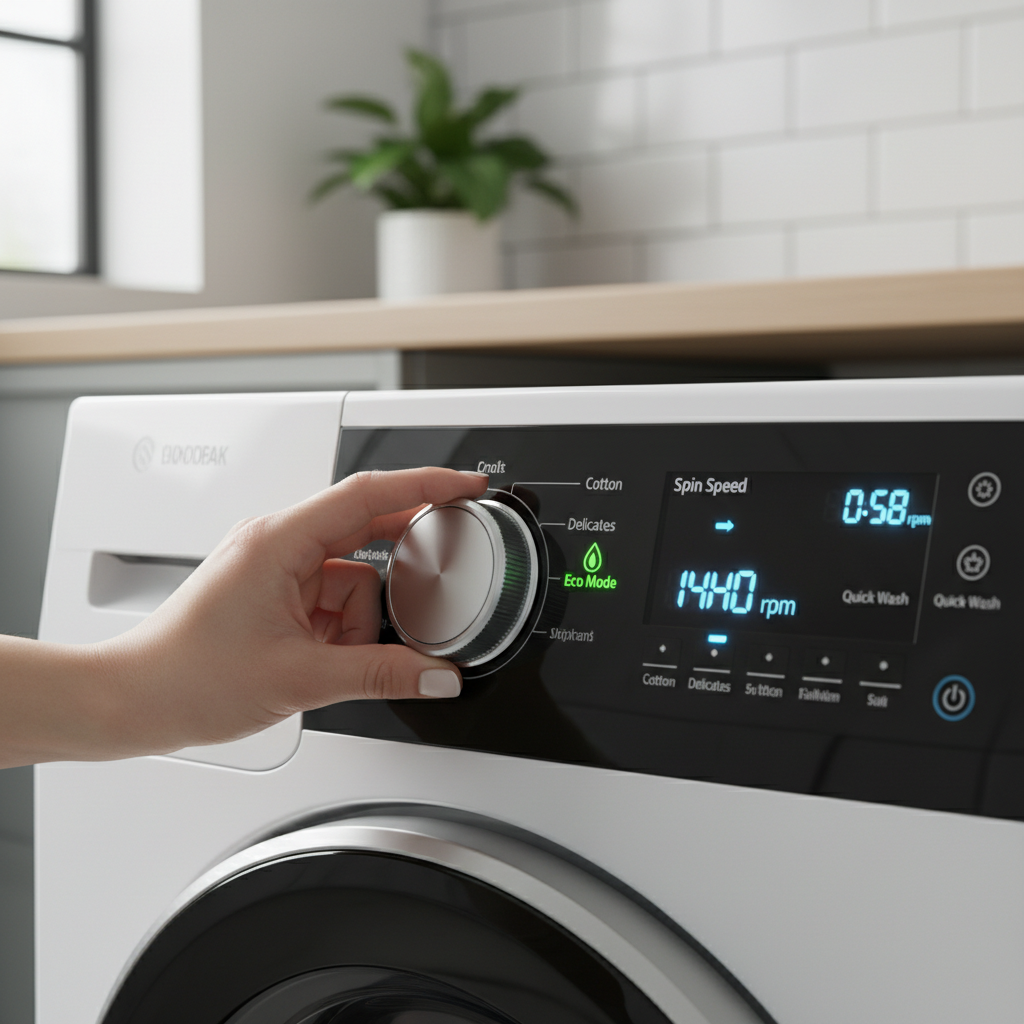
Higher spin extracts more water, which can reduce dryer time, but it may increase wrinkles on some fabrics. Use higher spin for towels and sturdy cottons, moderate spin for synthetics and dress shirts.
Skip extra rinse unless you have a clear reason
Extra rinse is useful for sensitivity concerns and heavy detergent residue, but as a default it adds water every time. Better first move is correct dosing.
Practical playbooks: choose the one that matches your home
You do not need every hack. Pick one playbook and run it for two weeks, then adjust.
If you are always behind on laundry
- Commit to one “catch-up” load midweek instead of a weekend mountain.
- Do “wash-to-dry-to-fold” as one block for that load, no multitasking.
- Keep a small “must wash” bin for uniforms, gym gear, kids essentials, everything else waits.
If your biggest problem is smells (especially towels and athletic wear)
- Do not let wet items sit in a pile, hang to dry if needed.
- Use warm water for the smelly load if labels allow, and reduce detergent if residue is likely.
- Run periodic washer maintenance cycles per your manual, product directions vary by model.
If you are trying to reduce water bills without buying new machines
- Wash full loads, but do not overload, clothes must tumble freely.
- Use eco/normal cycles for everyday wear, reserve heavy duty for true heavy soil.
- Choose higher spin for items headed to the dryer, it often saves energy too.
Quick comparison table: what to do, and when it backfires
This is the part people wish someone told them earlier, a “good idea” can turn into rewashing if applied blindly.
| Hack | When it helps | When to avoid |
|---|---|---|
| Eco/Normal cycle | Light to medium soil, daily clothing | Heavily soiled workwear or muddy items |
| Lower detergent dose | Soft water, HE washers, residue issues | If clothes come out dingy, increase slightly |
| Warm water for oils | Workout gear, sheets, oily collars | Delicates, items prone to shrinking, follow labels |
| Higher spin speed | Towels, sturdy cotton, items going to dryer | Wrinkle-prone fabrics, some delicates |
| Pre-treat stains | Food, grass, makeup, kid messes | Test on fragile dyes, spot-test if unsure |
Common mistakes that quietly waste water
Most “water saving” fails happen here, good intentions, wrong lever.
- Using more detergent to “make it cleaner”, it often does the opposite in HE machines by leaving film.
- Overloading the drum, clothes cannot move, so you rerun the cycle or add rinses.
- Washing one item at a time, it feels efficient, but the machine still uses a baseline amount of water.
- Ignoring washer maintenance, filters and seals vary by model, check the manual before poking around.
- Chasing perfect whiteness with extra cycles, sometimes the issue is hard water, not “not enough washing.”
Key takeaways you can use this week
- Prevent rewashes by measuring detergent and matching cycle to soil level.
- Warm water is a tool for oils and stubborn odor, not a default for everything.
- Batching beats micro-loads, full loads save water when you avoid overstuffing.
- Spin speed matters, the dryer works less when the washer extracts more water.
If you want the simplest start, pick two changes: measure detergent for every load, and stop defaulting to heavy duty. You can usually feel the difference within a couple weeks, mostly because laundry stops coming back for a second round.
FAQ
Do laundry hacks that save time and water work with any washer?
Most do, because they target behavior: batching, dosing, and cycle choice. Specific settings vary by brand, so it helps to skim your washer manual to find the closest equivalent to eco/normal and to confirm maintenance steps.
Is cold water always the most water-saving choice?
Cold water can reduce energy use, but if it leads to rewashing for oily stains or odor, total water use may climb. A warm wash for the right load can be the more efficient option in practice.
How do I know if I am using too much detergent?
Clues include clothes feeling slick, strong lingering fragrance, or recurring musty smells even after drying. If you see lots of suds in an HE washer, that can be another hint, try measuring and stepping down gradually.
Does “quick wash” actually save water?
Sometimes, especially for small, lightly soiled loads. The risk is under-cleaning, which triggers a second wash, so quick wash works best when you are confident the load is truly light soil.
What is the best way to handle pet hair without extra rinses?
Dryer first with no heat or low heat can loosen hair before washing, and a lint brush on heavy-shedding items helps. Overusing rinse cycles for hair rarely pays off, it often just moves hair around.
Should I add an extra rinse for sensitive skin?
It can help some people, but it is not the only lever. Many households get relief by reducing detergent dose and avoiding heavily fragranced products, if sensitivity is significant, consider asking a clinician for guidance.
How often should I clean my washing machine?
It depends on usage, water hardness, and model. Many manufacturers suggest a regular cleaning cycle, and the safest approach is to follow your machine’s manual so you do not damage seals or sensors.
Are “water-saving” laundry pods better than liquid?
Pods can simplify dosing, which may reduce overuse, but they are not automatically more efficient. If pods do not dissolve well in cold or short cycles, you may see residue, match the product to your typical settings.
If you are trying to make laundry feel less nonstop, a more “set it and forget it” routine usually beats hunting for dozens of tricks, start by tightening dosing and sorting, then tune settings around the loads you run most.