
The best eco friendly toilet paper for bathroom use is the one that stays gentle on sensitive skin while still meeting your household’s comfort, plumbing, and sustainability needs.
If you’ve ever switched to a “green” roll and then noticed itching, burning, or just that dry, scratchy feeling, you’re not imagining it. Some eco options skip harsh chemicals, but they can also feel rougher, shed lint, or include additives that don’t agree with reactive skin. The good news is you can usually narrow it down quickly once you know what to look for.
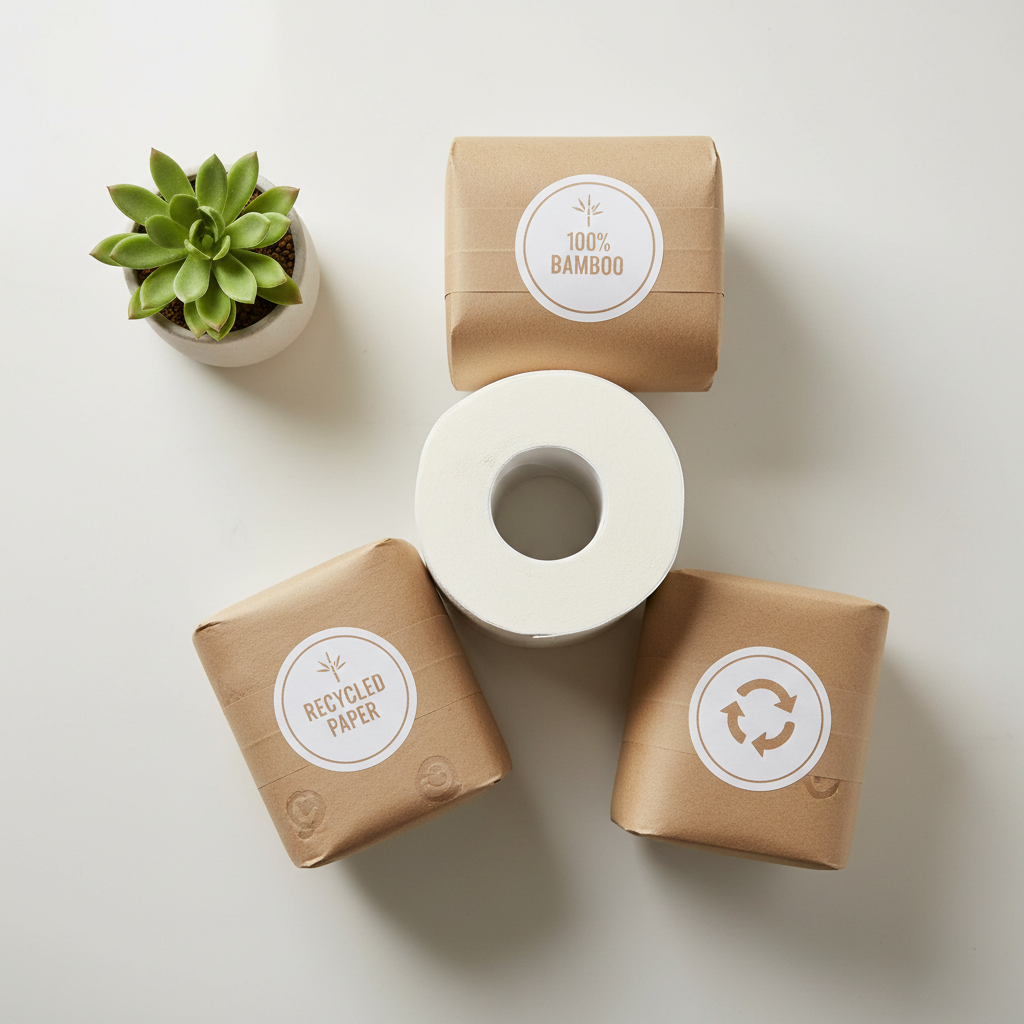
This guide focuses on what typically triggers irritation, how to self-check your current paper, and how to pick a roll that feels good for sensitive skin without quietly creating new problems like clogs or excessive lint. I’ll also share a simple comparison table so you can decide faster, not browse endlessly.
What “sensitive skin” usually reacts to in toilet paper
When people say a toilet paper “bothers” them, it’s rarely just one thing. In many bathrooms it’s a mix of friction, moisture, and whatever the sheet leaves behind.
- Fragrance and masking scents: Even “lightly scented” products can irritate vulvar or perianal skin, especially if you’re already dry or inflamed.
- Dyes and decorative printing: Colored patterns look harmless, but inks and dyes can be a problem for some people.
- Residual processing chemicals: Most major brands manage this well, but sensitivity varies; “whiter” paper sometimes means more processing steps.
- Texture and friction: A sheet can be eco-friendly yet physically abrasive, and irritation can be mechanical, not “allergic.”
- Lint and dust: Paper that sheds can stick to damp skin, increasing irritation and that “never feels clean” sensation.
According to the American Academy of Dermatology Association (AAD), fragrance is a common trigger for contact dermatitis, and fragrance-free choices tend to be easier on reactive skin. That’s not toilet-paper-specific guidance, but it maps well to what many people run into with bathroom products.
Eco materials 101: bamboo vs recycled vs “alternative fibers”
If your goal is the best eco friendly toilet paper for bathroom use, the material matters because it influences softness, strength, and how the product is processed.
Bamboo
Bamboo toilet paper is often marketed as soft and fast-growing. In practice, softness varies a lot by brand and ply. Some bamboo papers feel surprisingly plush, while others feel “papery” and a bit stiff at first.
- Pros: Often soft, can be strong per sheet, usually low lint when well-made.
- Cons: Quality varies; shipping distance can reduce the feel-good factor depending on where it’s made.
Recycled paper
Recycled content can be a solid sustainability choice, but it’s also where people most often complain about scratchiness. Better recycled rolls use improved pulping and forming to reduce roughness, but not all do.
- Pros: Reduces demand for virgin fiber, often easy to find in the US.
- Cons: Can feel rougher, sometimes higher lint, occasional “gray” tone that some people dislike (purely aesthetic).
Other fibers (wheat straw, bagasse, mixed fibers)
These can be legit, but consistency is the big question. If you’re very sensitive, you may want to avoid being the “test case” unless the brand is transparent about additives and processing.
A quick comparison table (what matters for sensitive skin)
Use this as a shortcut. It won’t replace trying a roll, but it helps you avoid the common traps.
| Factor | Why it matters | What to look for | What to avoid |
|---|---|---|---|
| Fragrance | Can trigger irritation or dermatitis | Fragrance-free, unscented | Scented, “fresh” additives |
| Dyes/printing | Extra chemicals on the sheet | Plain white or natural tone, no prints | Colored patterns, novelty prints |
| Softness vs lint | Roughness increases friction; lint can cling | Low-lint, smooth finish | Dusty rolls, visible shedding |
| Septic safety | Too thick can clog some systems | Septic-safe claims + breaks down easily | Ultra-thick, “cloth-like” feel in older plumbing |
| Additives | Lotions can sting on compromised skin | Simple ingredient profile | Lotion-coated, “cooling” agents |
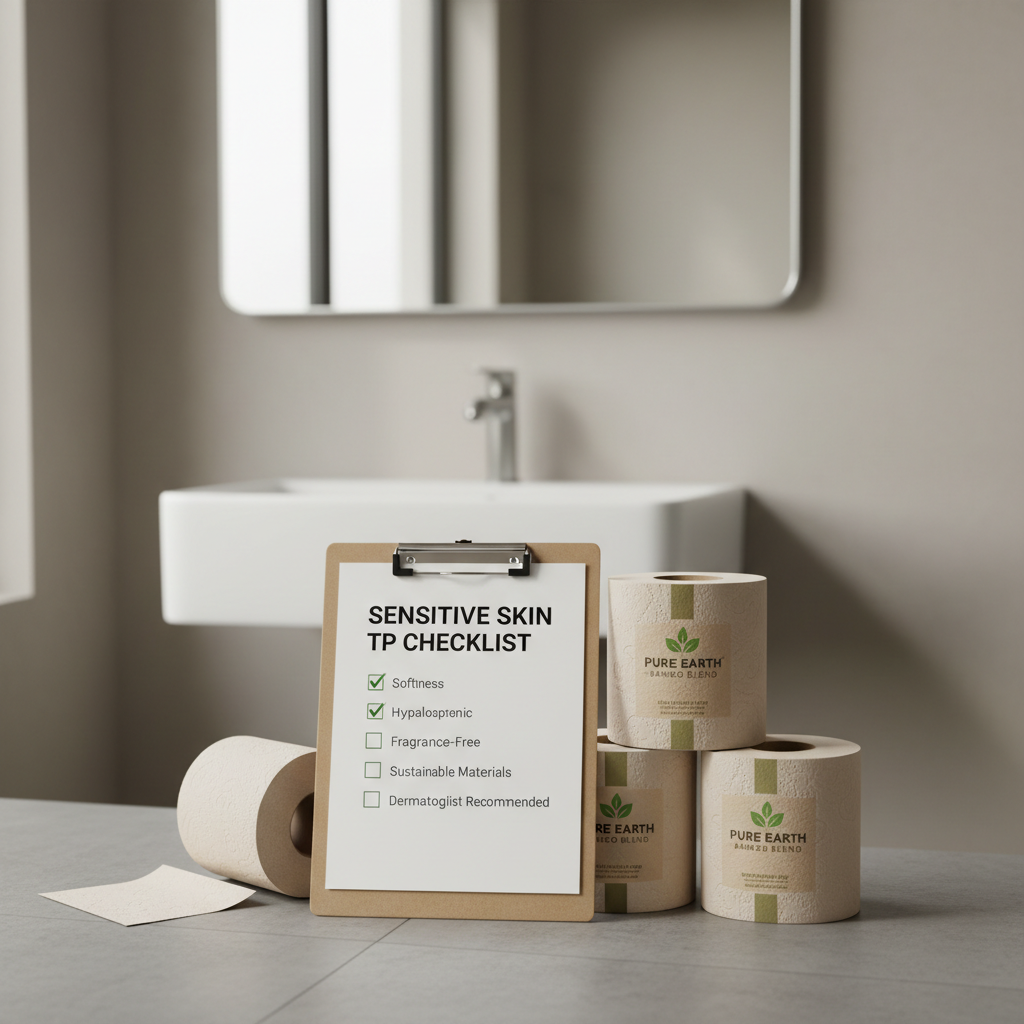
Self-check: how to tell if your current roll is the problem
If you want a fast answer, run through this list for a week. Sensitive-skin issues are often pattern-based, not one-time.
- Timing: Symptoms show up soon after wiping, or worsen over the day.
- Consistency: You feel better when you use a different bathroom or different roll.
- Visible clues: You see lint on skin or underwear, or notice paper “pilling.”
- Other changes: You also switched soap, wipes, laundry detergent, or started a new medication that affects dryness.
- Mechanical friction: The paper feels rough on your hands too, not only on skin.
If symptoms persist, or there’s pain, bleeding, or recurrent rash, it may not be the paper alone. In that situation it’s smart to consult a healthcare professional, especially if you suspect infection, eczema, psoriasis, or lichen sclerosus.
How to choose the best eco friendly toilet paper for bathroom use (step-by-step)
Shopping for eco paper gets much easier when you decide your “non-negotiables” first, then test in small batches.
Step 1: Set your sensitive-skin baseline
- Pick fragrance-free and unprinted sheets as your default.
- If you’re currently irritated, avoid lotion-infused paper even if it claims “soothing.”
Step 2: Choose a fiber based on what your skin dislikes
- If friction is the issue, many people do well with higher-quality bamboo because it can be smoother.
- If you’re comfortable with slightly firmer texture and want recycled content, look for recycled rolls that emphasize softness and low lint.
Step 3: Make sure it fits your plumbing reality
- If you have older pipes, low-flow toilets, or a septic system, be cautious with ultra-thick rolls.
- Do a simple “jar test” at home: place a few sheets in a jar with water, shake gently, see if it starts breaking apart. It’s not a lab test, but it can reveal unusually stubborn paper.
Step 4: Buy a small pack, then evaluate like a normal person
Use it for several days, not one bathroom trip. The “first impression” can be misleading, especially with bamboo that softens a bit after use and with recycled paper that can vary by batch.
Practical bathroom habits that reduce irritation (even with good paper)
Sometimes the best eco friendly toilet paper for bathroom use still won’t fix irritation if the routine adds friction. These tweaks are boring, but they work in many households.
- Use less pressure, more folds: Friction matters more than people want to admit.
- Pat when possible: Especially if you’re already inflamed.
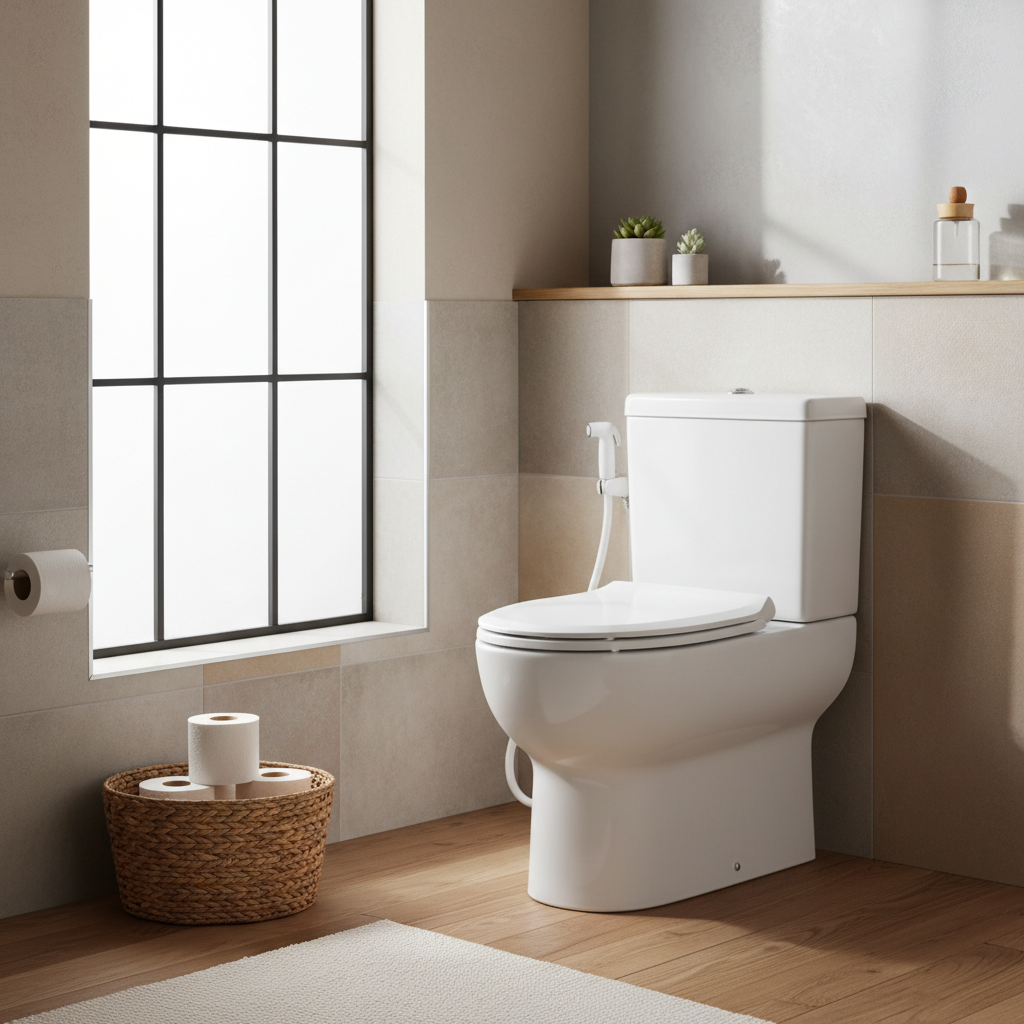
- Consider a bidet attachment: Less wiping can mean less irritation; just keep water pressure moderate and keep the nozzle clean.
- Avoid flushable wipes for “sensitivity”: Many contain preservatives that can irritate, and they can cause plumbing problems. According to EPA guidance on wastewater systems, products marketed as flushable may still contribute to clogs depending on conditions.
Common mistakes when switching to eco toilet paper
A lot of frustration comes from expecting “eco” to automatically mean “gentle.” It can, but it’s not guaranteed.
- Assuming recycled always feels bad: Some recycled options are much improved, but you need to look for low-lint, softer lines.
- Assuming bamboo is always soft: Brand and ply matter, and some bamboo rolls feel stiff even if they’re sustainable.
- Ignoring packaging claims: “Natural” is vague; “fragrance-free” and “no dyes” are more actionable.
- Overbuying before testing: If you’re sensitive, commit after a small trial, not a bulk subscription.
- Chasing extreme thickness: Super thick paper can increase clog risk and sometimes increases friction because you wipe more aggressively.
When it’s worth getting professional help
If irritation lasts more than a couple of weeks, keeps returning, or includes swelling, cracking, bleeding, or changes in skin color, don’t keep “shopping your way out of it.” Toilet paper can contribute, but persistent symptoms may point to a skin condition or infection that needs a clinician’s evaluation.
And if you’re managing postpartum changes, menopause-related dryness, or ongoing GI issues, you may need a broader plan than just changing brands. A healthcare professional can help you rule out common causes and suggest a routine that protects the skin barrier.
Conclusion: what to prioritize if you want comfort and sustainability
If you’re trying to land on the best eco friendly toilet paper for bathroom use for sensitive skin, the winning combo is usually simple: fragrance-free, no dyes, low lint, and a texture that doesn’t tempt you to over-wipe.
Start by switching one variable at a time, buy a small pack, and pay attention to friction and residue more than marketing language. If you want an easy first move, choose an unscented, unprinted eco roll, then pair it with gentler wiping habits for a week and see what changes.
FAQ
What is the best eco friendly toilet paper for bathroom use if I get irritation easily?
In many cases, a fragrance-free, dye-free roll with low lint performs best. Start there, then decide whether bamboo or recycled feels better for your skin.
Is bamboo toilet paper always better for sensitive skin than recycled?
Not always. Some bamboo rolls feel smoother, but quality varies by brand. Some recycled options are also comfortable, especially those made to reduce lint and roughness.
Can scented toilet paper cause a rash?
It can for some people, especially if the skin barrier is already irritated. If you notice a consistent pattern, switching to fragrance-free is a reasonable, low-effort test.
How do I know if a toilet paper is septic-safe?
Look for a septic-safe claim and avoid extremely thick “cloth-like” rolls if your system is sensitive. A simple at-home jar test can also reveal paper that resists breaking down.
Are “whitening” processes a problem for sensitive skin?
It depends on the process and the person. If you react to certain papers, choosing dye-free, fragrance-free options and testing small packs helps you isolate whether brightness correlates with irritation for you.
Do flushable wipes help if toilet paper irritates my skin?
They can feel soothing short-term, but many contain preservatives that may irritate, and they can cause plumbing issues. Many people do better with a bidet plus gentle, fragrance-free paper.
What if I’m still irritated after switching eco toilet paper?
Then the paper may not be the main driver, or it’s only part of it. If symptoms persist, worsen, or include pain or bleeding, it’s worth consulting a healthcare professional for a proper evaluation.
If you’re trying to reduce waste but also want fewer flare-ups, a small “test and compare” approach usually saves money and frustration, pick two or three fragrance-free eco options, try each for a week, and keep the rest of your routine as consistent as possible.