
Home interior choices feel “cozy” when they support how you actually live: where you drop your bag, how you relax at night, where guests naturally gather, and what you want to see when you walk in. The good news is you don’t need a full renovation to get there, you need a few decisions that work together.
A lot of people get stuck because they shop first and plan later, so they end up with a room full of nice items that still feels a bit cold or chaotic. Cozy is usually less about buying more, more about editing, layering, and improving comfort in the spots you use most.
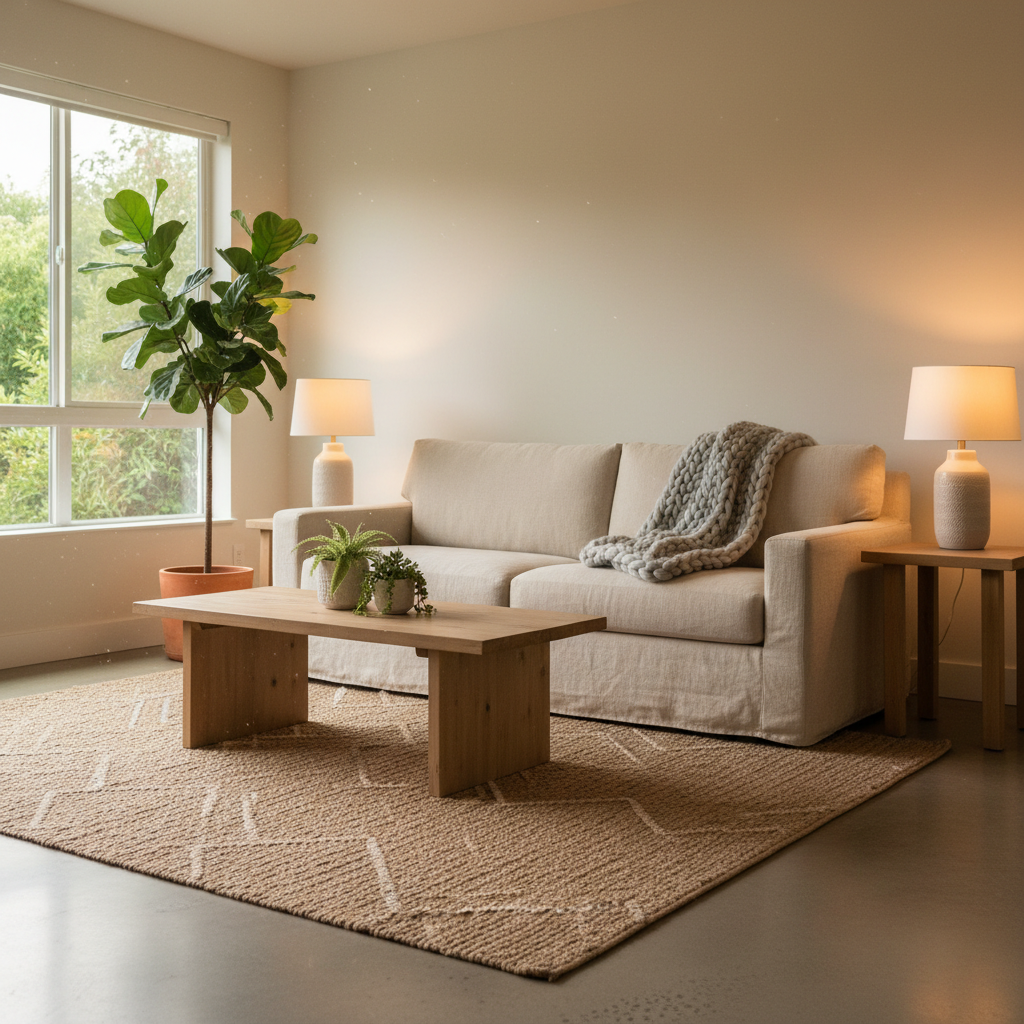
This guide pulls together interior design ideas that usually move the needle fastest: a more forgiving color palette for interiors, smarter home lighting design ideas, and a layout that makes your space feel calm instead of cramped. If you live in an apartment or a smaller home, there’s a section specifically for small space decorating tips that don’t rely on gimmicks.
Start With “Cozy” as a System, Not a Style
Cozy isn’t limited to farmhouse, boho, or anything you see on social feeds. In many homes, that comfort comes from three simple ingredients: softness, warmth, and ease, and your home interior feels off when one of these is missing.
- Softness: tactile comfort, think rugs, curtains, upholstered seating, bedding with weight.
- Warmth: not just beige paint, it’s warm light, natural materials, and balanced contrast.
- Ease: clear pathways, functional storage, furniture that fits the room scale.
Say your living room looks “nice” but feels unwelcoming, many times it’s because lighting is too cool, seating faces away from conversation, or the room has lots of hard surfaces with nothing to absorb sound. Fixing those tends to beat buying another decor object.
Choose a Color Palette for Interiors That Calms the Room
If you want instant comfort, your color palette for interiors matters more than most people expect. This doesn’t mean everything must be neutral, it means your colors should cooperate, not compete.
A practical approach that rarely backfires
- Base (60%): warm whites, soft greige, muted taupe, light clay, or a gentle warm gray.
- Support (30%): mid-tone wood, camel leather, soft olive, dusty blue, charcoal accents.
- Pop (10%): one “personality” color, used a few times, not everywhere.
If your modern home decor leans minimalist, keep the base quiet and let texture do the talking. If you like more color, keep saturation slightly muted so the room still reads as restful.
Paint is where people overthink. You can test swatches all day, but lighting changes everything. According to U.S. Department of Energy guidance on lighting, color appearance can shift based on the light source and color temperature, so evaluate paint samples under your actual evening lighting, not just daylight.
Home Lighting Design Ideas That Make Any Room Feel Warmer
When a home interior feels cold, lighting is often the hidden culprit. Overhead-only lighting makes most spaces feel flat, and cozy homes almost always use layered light.
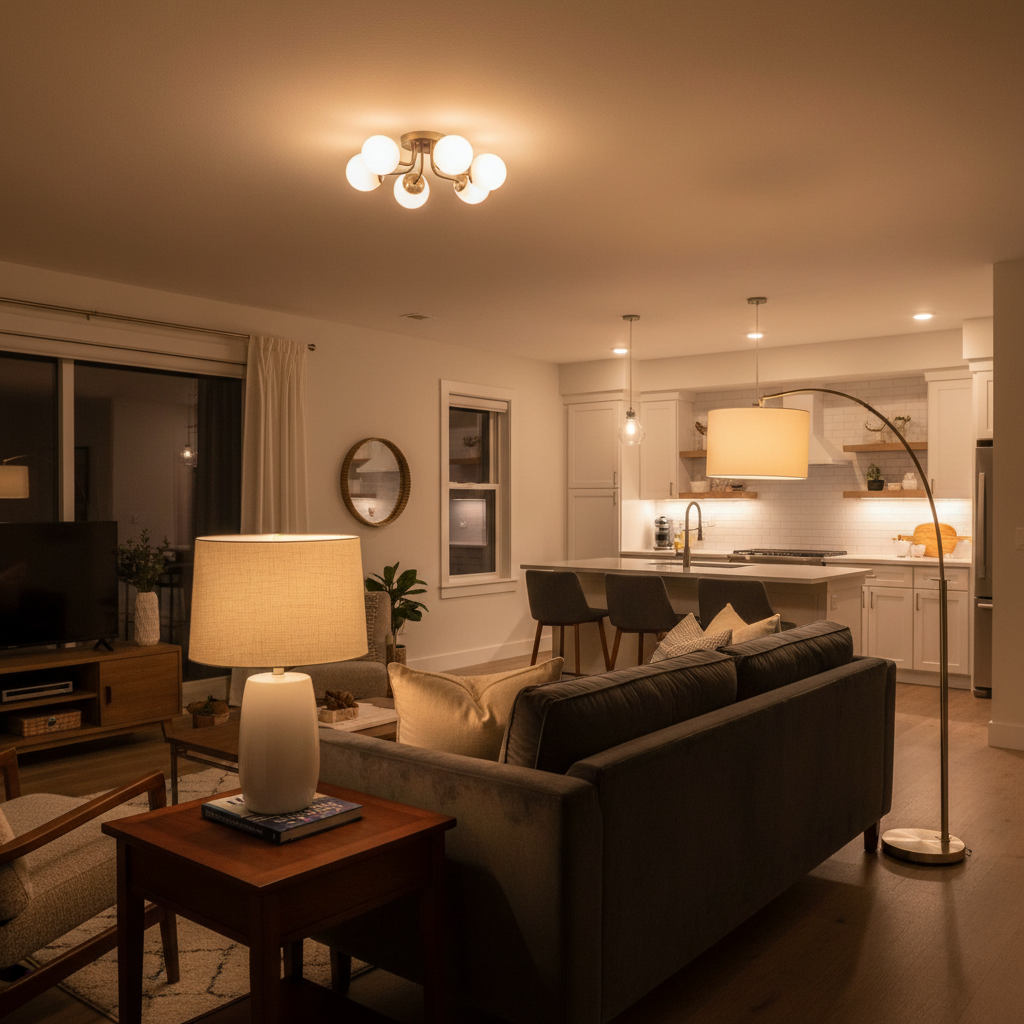
Use three layers, then add dimming where possible:
- Ambient: overall glow, ceiling fixtures, recessed lights, or a central pendant.
- Task: reading lamps, under-cabinet lighting, desk lights.
- Accent: picture lights, wall sconces, a small lamp on a shelf.
A small change that feels big: swap harsh cool bulbs for warmer color temperature bulbs, many homes feel cozier around the warm end of the spectrum, though preferences vary. If you’re unsure, buy one warm bulb and test it in the lamp you use most at night.
For safety, if you’re adding hardwired fixtures or dimmers and you’re not comfortable with electrical work, it’s usually worth hiring a licensed electrician.
Living Room Decor Inspiration: Build Conversation and Comfort
Living room decor inspiration looks great online, but in real homes the win is a seating setup that works. If your room is “pretty” yet nobody wants to sit there, focus on the layout before accessories.
Quick layout upgrades that feel immediate
- Pull furniture off the walls a few inches, even a small float can make the room feel designed, not accidental.
- Rug size matters: aim for front legs of key seating on the rug so the zone feels anchored.
- Add a landing spot near seating: a side table for drinks, remote, book, it reduces visual mess.
- Use one “soft hero”: a big throw, oversized pillows, or a textured lounge chair, cozy needs softness you can see.
For modern home decor, keep the shapes clean and let the materials warm things up: wood, wool, bouclé, linen, matte metals. Minimalist interior styling can still feel inviting when you vary texture and avoid an all-shiny, all-hard finish mix.
Small Space Decorating Tips That Don’t Make the Room Feel Smaller
Small space decorating tips are everywhere, but some popular tricks backfire, like tiny rugs, too many small frames, or storage that turns into visual clutter. In compact rooms, the goal is fewer, better pieces and a clearer flow.
- Choose furniture with legs: seeing floor space often makes rooms feel lighter.
- Go vertical: taller shelving, wall hooks, or one larger art piece instead of many small ones.
- Use closed storage: baskets and doors hide the daily chaos without perfectionism.
- Mirror with restraint: one well-placed mirror to bounce light, not a scattered gallery of reflections.
If your home interior is an open-plan apartment, define zones with a rug, a lighting change, or a slim console behind the sofa. You’re not “adding stuff”, you’re giving the space boundaries so it feels calmer.
Open Concept Living Layout: Define Zones Without Walls
An open concept living layout can feel airy, or it can feel like you’re living in a hallway. Usually the difference is whether each function has a clear zone: lounging, dining, working, cooking.
Zone-setting moves that look natural
- Rugs as borders: one rug for living, one for dining, even if both coordinate.
- Lighting as signage: pendant over dining, floor lamp near sofa, task light at desk.
- Back-of-sofa console: creates a “line” without blocking light.
- Repeat materials: same wood tone or metal finish across zones ties everything together.
One underrated rule: keep circulation paths obvious. If you constantly squeeze past a chair corner, the room won’t feel cozy, it will feel annoying, and you’ll never fully relax.
Cozy Bedroom Design: Prioritize Sleep-Friendly Comfort
Cozy bedroom design is where comfort should be easiest, yet it’s often the last room people finish. If you want one high-impact change, put effort into bedding and light control.
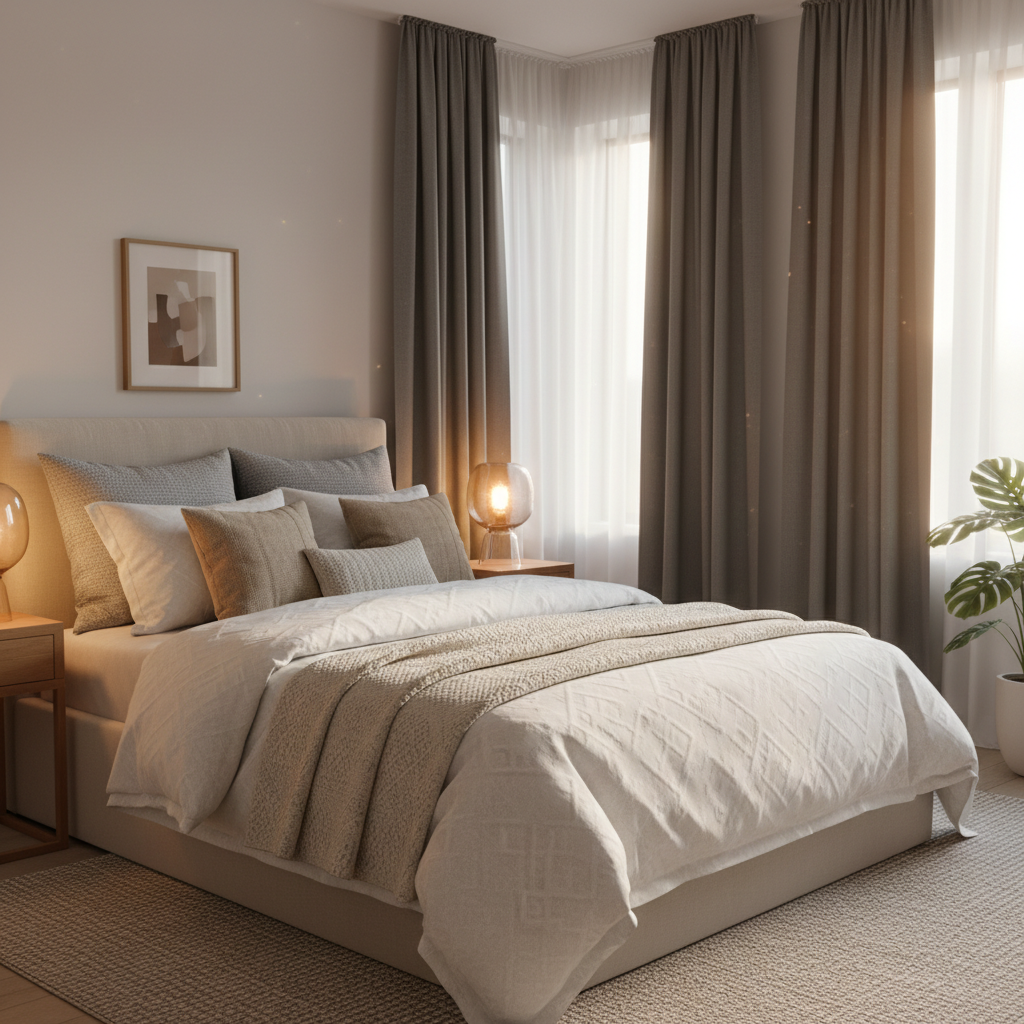
- Layer the bed: sheets + duvet + throw, different textures read as cozy even in neutral colors.
- Two bedside lights: avoids the “one bright overhead” problem, and feels more balanced.
- Clear the visual noise: one tray or box for chargers and small items, your nightstand will instantly look calmer.
- Soften sound: a rug, curtains, upholstered headboard, hard rooms can feel less restful.
If you’re sensitive to light at night, consider blackout curtains or shades, but for sleep concerns it’s always reasonable to talk with a healthcare professional.
Sustainable Home Furnishings and Minimalist Interior Styling (Without Feeling Bare)
Sustainable home furnishings often get framed as “buy this eco item,” but most homes see bigger gains from buying less, choosing durable pieces, and using what you already own in smarter ways. Minimalist interior styling helps here, but it shouldn’t feel sterile.
What tends to work in real homes
- Prioritize long-life items: sofa, bed, dining table, rugs, these shape the space and reduce replacement cycles.
- Look for material transparency: brands that disclose materials and care instructions are easier to live with.
- Secondhand for character: one vintage piece can add warmth to modern home decor without adding clutter.
- Refinish before replacing: paint a dresser, swap hardware, reupholster a chair, often cheaper than new.
According to U.S. Environmental Protection Agency (EPA) resources on sustainable materials management, reducing waste and keeping products in use longer supports broader waste-reduction goals. You don’t need perfection here, a couple of intentional choices already shift your home interior in a better direction.
Quick Decision Table: What to Fix First for a Cozier Feel
If you want a simple path, use this table to pick your first project based on what feels “off” today.
| What you notice | Likely cause | Best first move |
|---|---|---|
| Room feels cold at night | Lighting too bright/cool, no ambient layer | Add 1-2 lamps, use warmer bulbs, consider dimmers |
| Looks messy fast | No “drop zones,” open storage overload | Add closed storage, trays, baskets, entry hooks |
| Feels cramped | Scale issues, tiny rug, blocked pathways | Resize rug, remove one small piece, open circulation |
| Pretty but not inviting | Not enough texture, seating not conversational | Layer textiles, adjust seating, add side table |
| Open plan feels chaotic | No zones, mixed finishes, visual noise | Define zones with rugs/lighting, repeat finishes |
Practical Weekend Plan (So You Actually Finish)
Here’s a realistic way to apply these interior design ideas without turning your weekend into a never-ending project.
- Day 1, 60 minutes: walk each room at night, note where light feels harsh, where you lack a place to set things down.
- Day 1, 90 minutes: edit surfaces, clear one “problem zone,” then add a tray or basket to hold the remaining essentials.
- Day 2, 2 hours: adjust layout in the living room, pull seating in, check rug placement, create a clearer conversation zone.
- Day 2, 60 minutes: add one comfort layer, throw, curtains, or a better bedside lamp, then stop and live with it.
Key takeaways: cozy usually comes from layered light, a calmer palette, fewer better pieces, and clear zones, especially in small homes and open layouts.
If you want your home interior to feel cozy quickly, pick one room, fix lighting first, then add texture, then refine layout. That order saves money because you stop buying “random cute things” that don’t solve the real issue.
If you’re ready, choose one action for tonight, swap one bulb to warm light, remove one piece that crowds a pathway, or add a throw you actually like touching, and treat that as your baseline for the next decision.