
Home tips work best when they reduce decisions, not add more to your to-do list. If your home feels cluttered, cleaning never “stays done,” or little repairs keep stacking up, you usually don’t need a total makeover—you need a simple system you can repeat.
This guide focuses on practical wins: home organization tips that actually stick, home cleaning tips you can keep up with, home maintenance tips that prevent bigger bills, and a few home improvement tips that feel realistic on a budget. You’ll also see energy saving tips for homes and home safety tips, because comfort is great, but comfort plus peace of mind is better.
One quick heads-up: a lot of “Pinterest-perfect” advice assumes you have unlimited storage and time. Many homes don’t. So you’ll see small space home tips and budget friendly home tips woven in, along with seasonal home care tips so you can spread effort across the year.
Start with the 15-minute reset (the habit that makes everything easier)
If you only adopt one habit, make it a daily 15-minute reset. It’s not deep cleaning. It’s putting the house back into “neutral” so tomorrow starts easier.
- Set a timer: 15 minutes, stop when it ends.
- Do four quick zones: entry, kitchen counter, living room surfaces, one laundry touch (start, switch, fold, or put away).
- Use a “drop basket”: anything that belongs elsewhere goes in, then you carry it room to room once.
Many people get stuck because they try to finish every task. This reset is about momentum. Your home will look better fast, and the bigger jobs stop feeling so heavy.
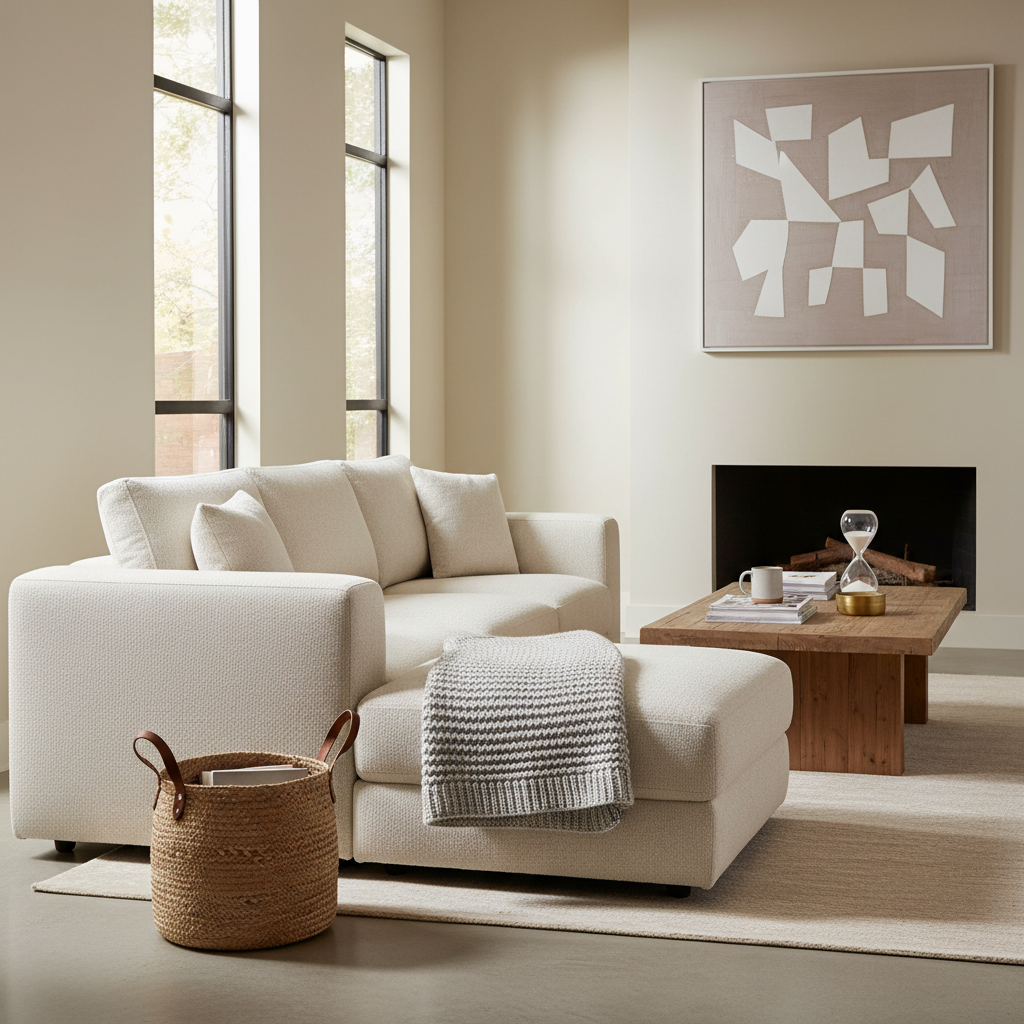
Home organization tips that don’t depend on willpower
The organizing “secret” is boring: give items a clear home, reduce duplicates, and make putting things away easier than leaving them out. If your system requires perfection, it won’t survive a busy week.
Use the 3-bin sorting pass (keep / move / let go)
- Keep: used weekly or truly loved.
- Move: belongs in another room or needs a better storage spot.
- Let go: expired, broken, or you wouldn’t buy again today.
Try it on one “hot spot” (kitchen counter, entry table, bathroom sink). Don’t start with the garage—wins need to feel quick.
Match storage to behavior (not the other way around)
- If shoes pile up, add a mat + slim rack at the door, not a distant closet.
- If mail explodes, add one wall file labeled To Pay, To File, To Recycle.
- If kids dump backpacks, add hooks at their height.
Small space home tips often come down to vertical storage: over-the-door hooks, shelf risers, and stacking bins that fit the shelf depth you already have.
Home cleaning tips: a “minimum baseline” plan you can keep up
Cleaning gets easier when you separate what must happen weekly from what can rotate. The goal is a home that feels good most days, not spotless for 24 hours.
Weekly baseline (30–60 minutes total, split across days)
- Wipe kitchen counters + sink, quick stovetop pass
- One bathroom wipe-down (sink, toilet exterior, mirror)
- Vacuum or sweep high-traffic paths
- Trash out, linens refreshed as needed
Rotation list (pick 1–2 items per week)
- Shower/tub deeper scrub
- Baseboards in one room
- Fridge shelf wipe
- Microwave clean
- Dust ceiling fans
According to CDC, good ventilation during cleaning can help reduce exposure to fumes from certain products, especially when using stronger disinfectants. If you have asthma or chemical sensitivities, it may be worth choosing fragrance-free options and testing one product at a time.
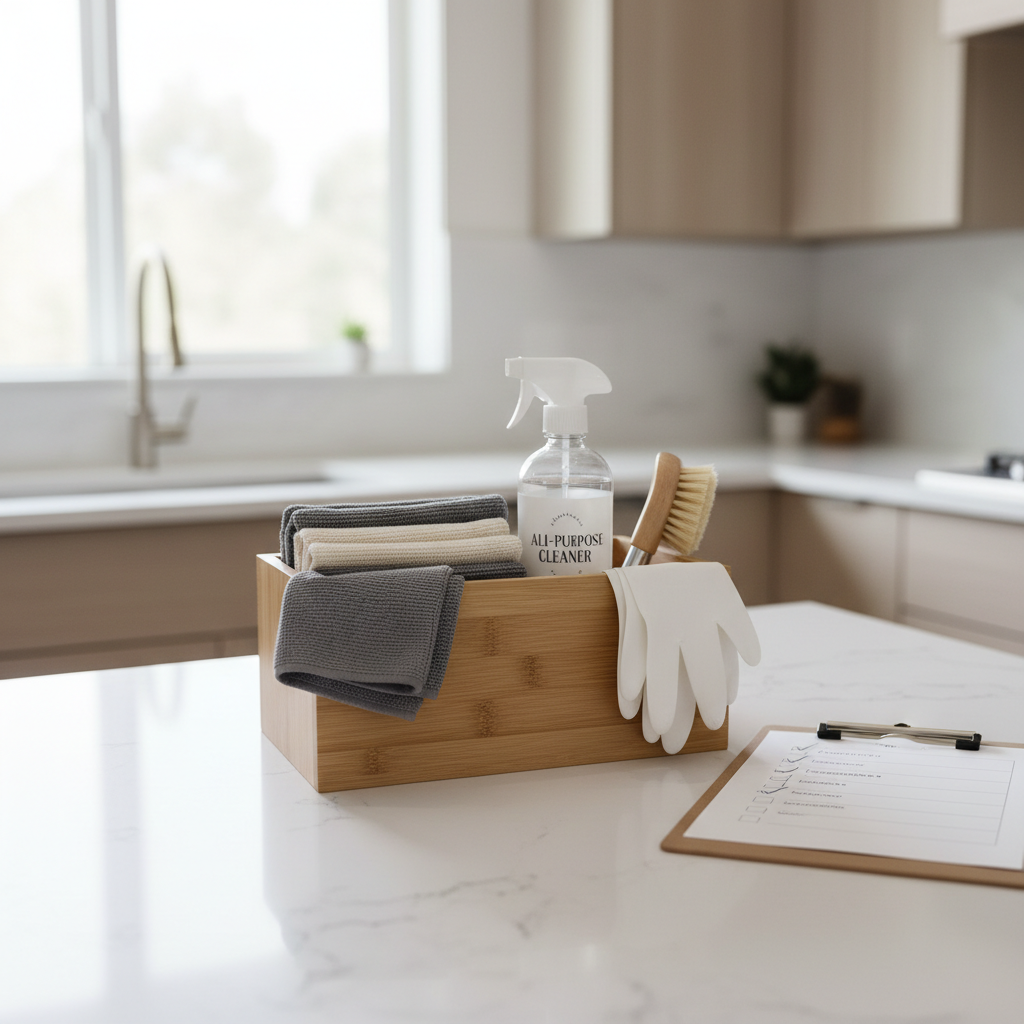
Home maintenance tips that prevent expensive surprises
Most costly problems start small: a slow leak, a clogged dryer vent, a filter never changed. A lightweight schedule beats a heroic weekend once a year.
Quarterly checklist (set calendar reminders)
- HVAC filter: replace or clean based on your system and pets/allergies.
- Dryer vent: clean lint trap every load, check vent flow, consider professional cleaning if drying takes longer than usual.
- Under sinks: look for moisture, swelling, musty smell.
- Caulk/grout scan: bathrooms and kitchen sink edges.
Annual “walk-around” (one hour that pays off)
- Check gutters and downspouts, make sure water drains away from the foundation
- Look for cracked exterior caulk around windows and doors
- Test garage door auto-reverse feature
According to U.S. Fire Administration, dryer fires are often linked to lint buildup and poor maintenance. If you notice burning smells, overheating, or repeated breaker trips, stop using the appliance and consider calling a qualified technician.
Energy saving tips for homes (comfort first, bills second)
Energy upgrades don’t have to be major. Many budget friendly home tips here are small tweaks that improve comfort quickly, especially in older homes.
- Seal obvious drafts: weatherstripping for doors, door sweep, outlet gaskets on exterior walls.
- Use smarter settings: a programmable thermostat schedule that matches real life, not ideal life.
- Switch to LEDs: prioritize high-use rooms first.
- Run full loads: dishwasher and laundry, use cold water when appropriate.
According to U.S. Department of Energy, air sealing and insulation are common starting points for improving efficiency, and many homeowners see comfort benefits even before they notice bill changes. If your rooms vary wildly in temperature, an energy audit may help identify the real cause.
Home safety tips you can do this weekend
Safety tasks are easy to postpone because nothing seems wrong—until it is. Pick a few upgrades that remove low-level anxiety.
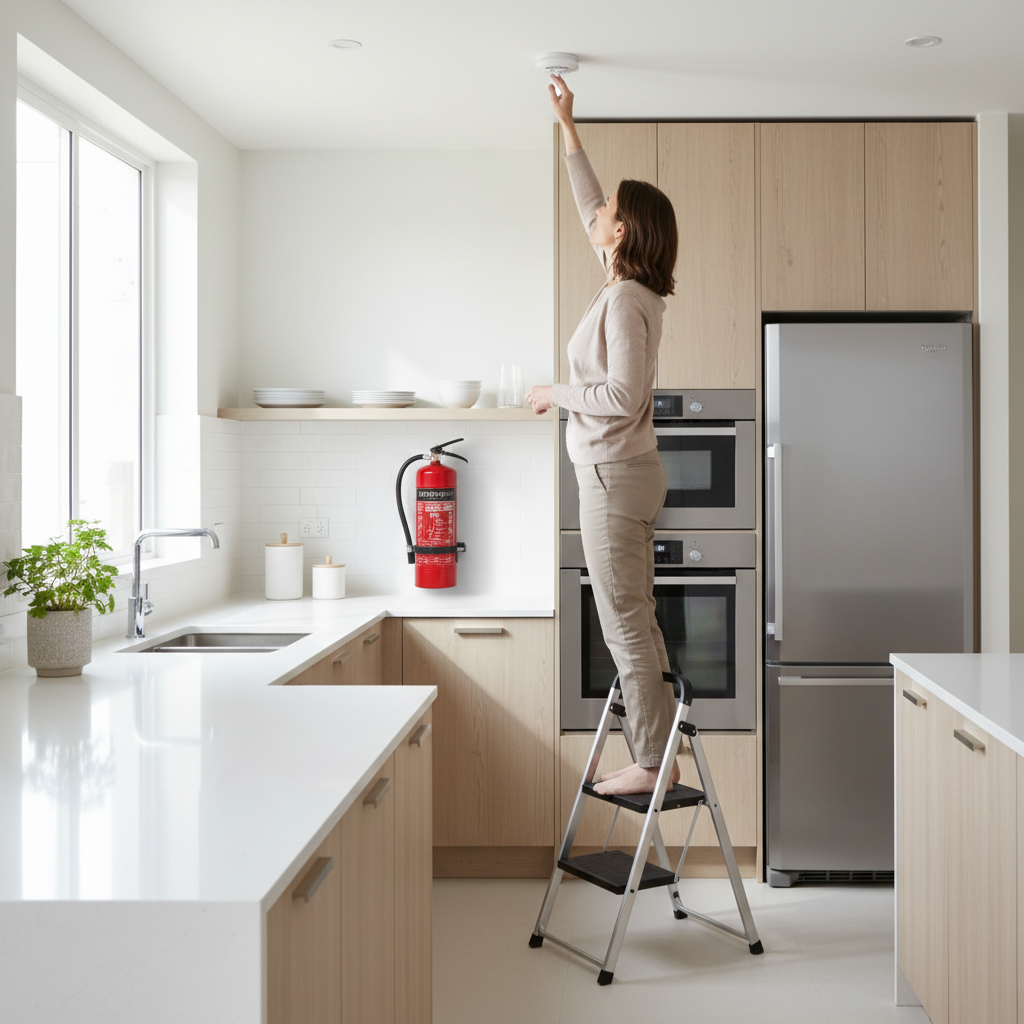
- Test smoke and CO alarms: replace batteries if needed, and replace units near end of life based on manufacturer guidance.
- Check fire extinguisher: confirm pressure gauge reads in the safe zone, keep it accessible.
- Trip hazards: secure rugs, tidy cords, add nightlights in dark hallways.
- Water temperature: if scalding is a risk, consider adjusting the water heater setting, and consult a professional if unsure.
According to NFPA, working smoke alarms are strongly associated with improved fire safety outcomes. If you rent, it’s still worth checking placement and function, and contacting your landlord when anything seems off.
Home improvement tips: small upgrades that feel bigger than they cost
Not every project needs a contractor. The best “value” upgrades often remove daily friction: poor lighting, messy cables, doors that don’t close right.
- Lighting swap: warm LED bulbs, add a floor lamp to dark corners.
- Hardware refresh: cabinet pulls, a new faucet if installation is straightforward.
- Paint one surface: a door, a small entry wall, or a bathroom vanity for a quick lift.
- Smart storage add-ons: pull-out trash can, under-sink organizer, pegboard in laundry area.
Home decorating tips matter here too: a single consistent finish (black, brushed nickel, brass) across one room looks intentional, even if you upgrade slowly.
A realistic seasonal home care tips table (print-worthy)
If you like structure, use this as a light guide. Adjust for your region and your home’s age—Florida summers and Minnesota winters don’t ask for the same prep.
| Season | Do This | Why It Matters |
|---|---|---|
| Spring | Check window screens, clean gutters, inspect exterior caulk | Helps prevent pests and water intrusion |
| Summer | Service AC if needed, clean ceiling fans, check outdoor hoses | Improves comfort, catches leaks early |
| Fall | Replace HVAC filter, test alarms, seal drafts | Preps for heating season and shorter days |
| Winter | Watch for ice dam signs, check for condensation, protect exposed pipes | Reduces moisture damage and freeze risk |
Quick self-check: which “home tips” will help you most?
If you’re not sure where to start, answer these fast. Your answers point to the highest-leverage category.
- Clutter returns instantly: you likely need simpler home organization tips and fewer “maybe” items.
- It looks clean, but feels grimy: focus on high-touch cleaning and a weekly baseline.
- Small issues keep appearing: prioritize home maintenance tips and reminders.
- Rooms feel drafty or stuffy: try air sealing and airflow fixes before expensive upgrades.
- You worry about accidents: start with alarms, lighting, and trip hazards.
Key takeaways: pick one habit (15-minute reset), one weekly baseline, and one seasonal task. When those three exist, everything else becomes optional instead of overwhelming.
Conclusion: make your home easier to live in, not harder to manage
The most useful home tips are the ones that fit your real life, your space, and your energy level. Start small, repeat what works, and let the system do the heavy lifting. If you want a clean next step, set a 15-minute timer today, clear one hot spot, and put one reminder on your calendar for the next maintenance task.