
Small space furniture ideas that save space usually work best when they do two jobs at once, hide mess fast, and keep your walkways clear without making the room feel like a storage unit.
If you live in a studio, a small apartment, or a home with one “mystery room” that does everything, you already know the pain points: nowhere to put coats, nowhere to eat comfortably, and every new purchase feels like it steals air from the space.
This guide focuses on choices that hold up in real life, not just in a perfect catalog photo. You’ll get a quick way to assess your room, a shortlist of high-impact furniture types, and a few practical layout moves you can copy this weekend.
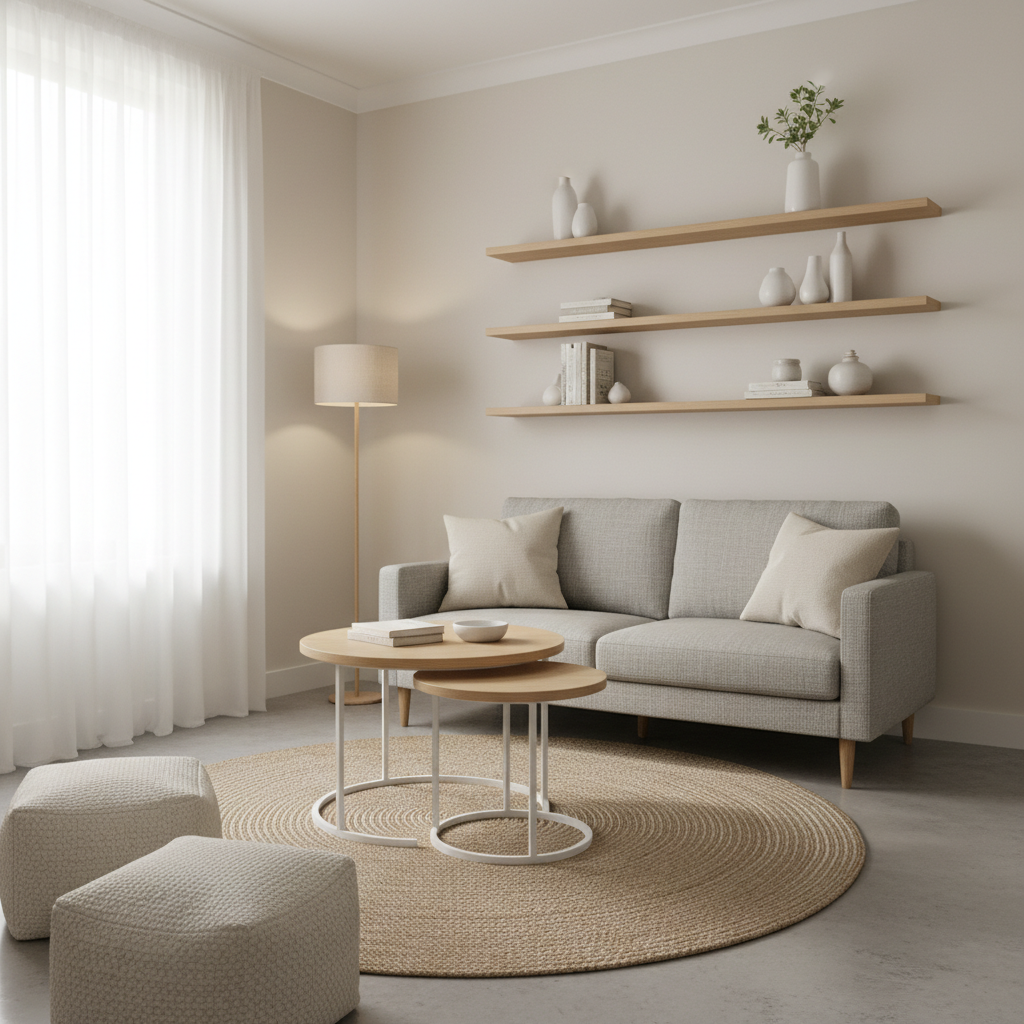
Start with the real problem: floor space, storage, or flexibility?
Before buying anything, decide what you’re actually short on, because “small” can mean different constraints. A room can feel cramped from too much furniture footprint, or it can feel chaotic because there’s nowhere to put everyday items.
Try this fast check, it takes five minutes and it prevents expensive mistakes.
- If you bump into corners or squeeze past chairs, you need smaller footprints and better traffic paths.
- If surfaces collect piles (mail, bags, laundry), you need closed storage and drop zones near entry points.
- If you constantly “reset” the room for guests, work, workouts, or meals, you need flexible pieces and easy-to-move furniture.
According to the Americans with Disabilities Act (ADA) accessibility guidance used widely in design planning, clear floor space and comfortable circulation widths matter for safe movement. You don’t need to turn your home into a code project, but the principle is solid: leave room to move and your space instantly feels larger.
High-impact furniture that earns its square footage
Not every “multi-functional” product is worth it. In small rooms, the winners tend to be simple mechanisms, sturdy frames, and storage you can reach without performing furniture gymnastics.
Sofas and seating that do more than sit
- Storage ottoman: works as coffee table, extra seat, and hidden storage for throws, games, or kid items.
- Apartment-size sofa: choose slimmer arms and raised legs to show more floor, it reads lighter visually.
- Bench with cubbies: great for entryways and “no-closet” situations, especially with baskets for fast cleanup.
Beds that give back storage
- Platform bed with drawers: best when you have enough side clearance to pull drawers out.
- Lift-up storage bed: better when space is tight on the sides, but check the lift mechanism quality.
- Murphy bed: ideal for studios or guest rooms, but installation and wall structure can be a real factor.
Tables that shrink, stack, or disappear
- Drop-leaf dining table: small daily footprint, expands when you host.
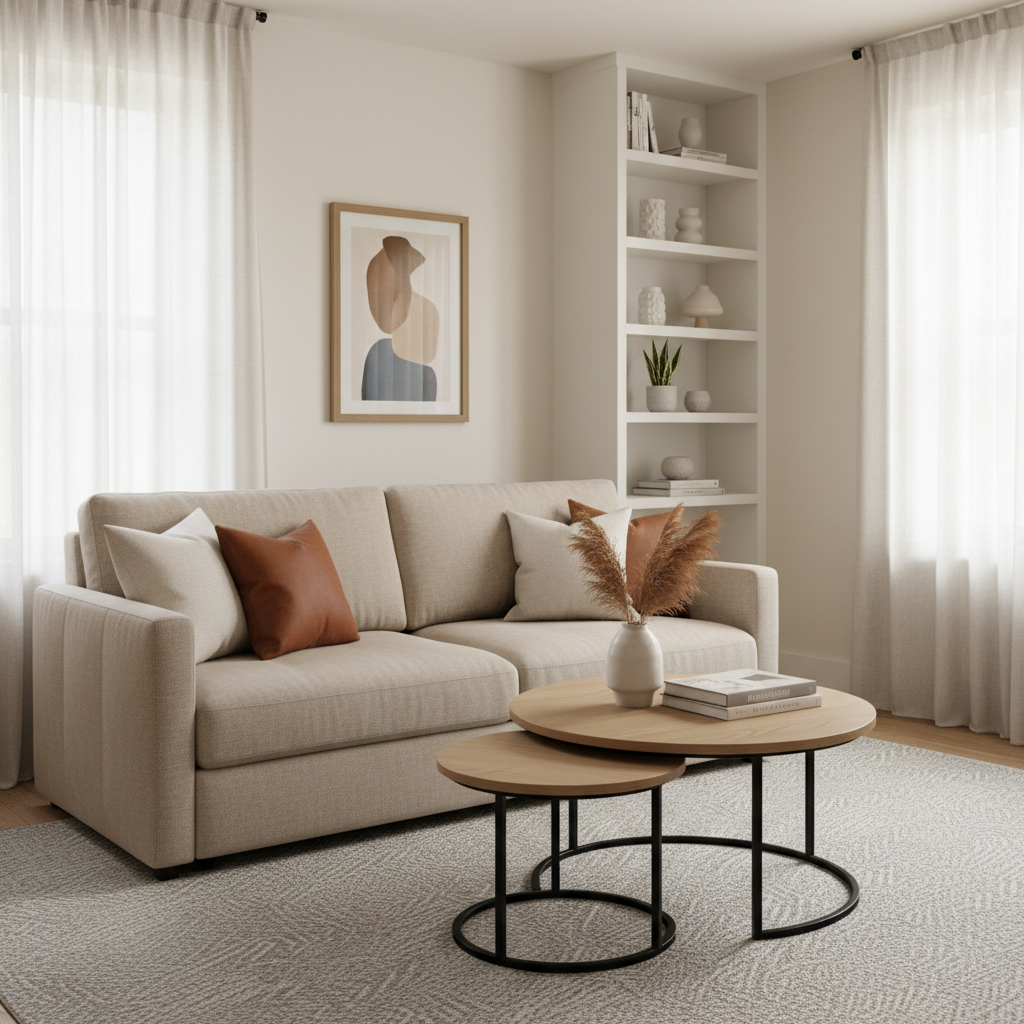
- Nesting tables: more flexible than one big coffee table, pull out only what you need.
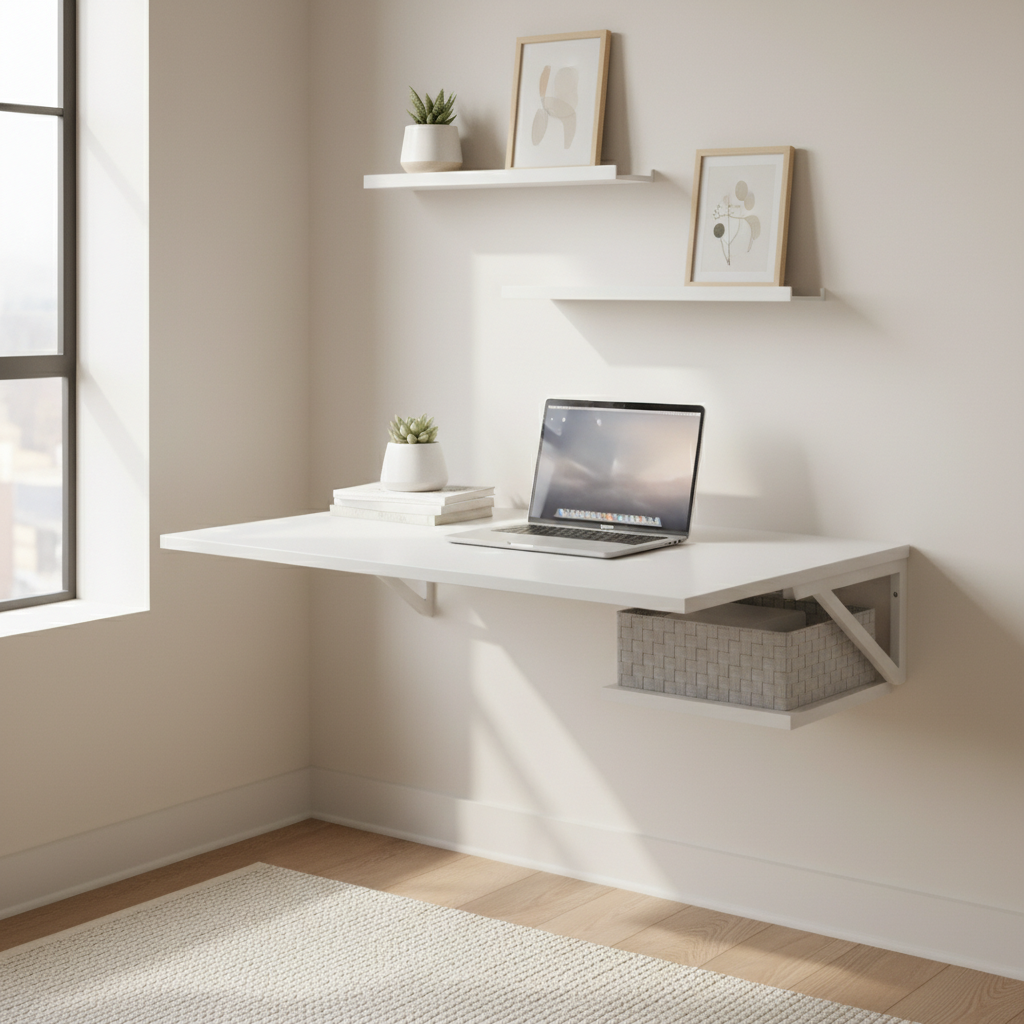
- Wall-mounted fold-down desk: strong for WFH zones, just confirm it supports your monitor setup.
Space-saving “heroes” by room: what to buy first
If you’re overwhelmed, pick one room and solve the biggest bottleneck there. Momentum matters, because a small home improves fastest when one area stops spilling into the next.
Living room
- Sleeper or daybed-style sofa if you host overnight guests even occasionally.
- Storage coffee table if clutter is the issue, closed storage usually looks calmer than open shelving.
- Wall shelves over a media console when you need vertical storage but want to keep the floor open.
Bedroom
- Under-bed storage that matches your habits: bins for seasonal items, drawers for weekly rotation items.
- Nightstand alternatives: a narrow wall-mounted ledge works when a full nightstand blocks the walkway.
- Wardrobe rack with cover if closets are tiny, it looks cleaner than a bare rack.
Kitchen and dining
- Rolling kitchen cart: extra prep space and storage, but only if you have a “parking spot” for it.
- Counter-height folding chairs hung on hooks or stored slim in a closet.
- Banquette seating with storage if you can commit to one dining spot, it often beats scattered chairs.
Entryway (even if you “don’t have one”)
- Wall hooks + slim shoe cabinet: prevents the classic shoe pile and coat chair problem.
- Mirror with shelf: adds function and makes the space feel less boxed-in.
A quick comparison table: what saves space, and what it costs you
Space-saving furniture is usually a trade: you gain storage or flexibility, but you might give up ease, comfort, or budget. This table helps you choose based on what you can tolerate.
| Furniture type | Best for saving | Typical trade-off | What to check before buying |
|---|---|---|---|
| Storage ottoman | Clutter + extra seating | Less stable than a real table | Hinges, weight rating, easy-to-clean fabric |
| Drop-leaf table | Floor space | Seams and wobble risk | Locking supports, leg placement, folded depth |
| Lift-up storage bed | Hidden storage | Heavier to lift, cost | Gas struts quality, ventilation, mattress fit |
| Murphy bed | Multi-use rooms | Install complexity | Wall type, hardware, professional install option |
| Wall-mounted desk | Flexible work zone | Limited surface area | Stud mounting, cable management, depth |
Practical setup tips that make small furniture work harder
Even the right purchases can fail if the layout fights you. These moves are boring, but they’re the difference between “compact and cozy” and “why is everything in the way.”
- Keep one clear path from the main doorway to the main window or focal point, the room feels calmer immediately.
- Use vertical zones intentionally: one tall bookcase can replace three small scattered storage pieces.
- Choose fewer, larger anchors: one compact sofa plus two nesting tables often beats a loveseat, chair, and oversized coffee table.
- Give every daily item a home: keys, shoes, bags, chargers. If those float, no furniture “fix” will stick.
Buying checklist: avoid the “looks small online” trap
Small space shopping has one repeating storyline: the piece arrives, and it’s either bulkier than expected or awkward in use. Measure, yes, but also think about how you’ll interact with it daily.
- Measure open and closed: drop-leaf tables, sofa beds, lift-up beds, nesting tables.
- Mind the “clearance tax”: drawers, cabinet doors, and pull-out desks need swing space.
- Check leg height: raised legs show floor and make cleaning easier, but very low profiles can feel heavier.
- Prefer simple mechanisms: fewer moving parts usually means fewer regrets long term.
- Delivery reality: stairwells, elevators, tight turns. Modular pieces can be a quiet lifesaver.
Common mistakes (and what to do instead)
Most “small space furniture ideas that save space” fail for predictable reasons, not because you picked the wrong style. The fix is usually editing, not adding.
- Mistake: too many small pieces. Instead, choose one storage piece that actually holds the category you’re battling, like a closed cabinet for paper and cables.
- Mistake: open shelving everywhere. Instead, mix open and closed storage, open shelves look great until real life happens.
- Mistake: pushing everything to the wall. Instead, float a compact sofa a few inches if it improves flow and keeps curtains from bunching.
- Mistake: ignoring lighting. Instead, add a plug-in wall sconce or slim floor lamp, good light makes tight rooms feel less tight.
When it’s worth calling a pro (or at least asking questions)
If you’re considering a Murphy bed, heavy wall-mounted shelving, or anything that needs to anchor into studs, it may be worth consulting a qualified contractor or installer. Wall type, electrical placement, and load limits vary, and a secure install matters for safety.
Also, if you rent, double-check lease rules for wall mounting and modifications. Many landlords allow small anchors but not major installations, and it’s easier to confirm now than repair later.
Key takeaways and a realistic next step
The best small space furniture ideas that save space usually share one theme: they reduce “visual noise” while making daily routines easier. A piece that technically stores more but creates hassle won’t stay in rotation.
- Pick your bottleneck: floor space, storage, or flexibility, then buy for that problem.
- Favor closed storage for high-mess categories, it makes the room feel calmer faster.
- Measure clearance, not just footprint, especially for drawers and fold-outs.
If you want an easy win, choose one upgrade you’ll feel every day, like a storage ottoman in the living room or a lift-up bed in the bedroom, then build around it with fewer, smarter pieces.
FAQ
- What furniture makes a small room look bigger?
Pieces with raised legs, slimmer arms, and lighter visual weight often help, because you see more floor and the room feels less blocked. - Are Murphy beds actually worth it for a studio?
They can be, especially if you need your living room to become a work zone, but installation complexity and wall structure are real constraints to plan for. - How do I choose between a sofa bed and a daybed?
If you need a “normal sofa” feel daily, sofa beds tend to win, while daybeds can work well in multipurpose rooms but sometimes sacrifice back support. - What are the best small space furniture ideas that save space on a budget?
Nesting tables, wall hooks with a slim shoe cabinet, and a storage ottoman usually deliver high impact without major renovation or custom work. - Should I use open shelves in a small apartment?
Open shelves can make a room feel airy, but they show clutter fast, many homes do better with a mix of open display and closed storage for daily items. - How much walking space should I leave around furniture?
It depends on the room and who uses it, but if you’re turning sideways or bumping corners, that’s your signal to edit pieces or re-center the layout. - Is wall-mounted furniture safe?
It can be when anchored correctly, but for heavier loads it’s wise to consult a qualified professional, especially in older buildings or rentals.
If you’re trying to choose between a few space-saving options and you’d rather not guess, it helps to list your top clutter category and your tightest walkway, then shop for one piece that solves both without adding extra maintenance.