
Best foldable chairs for extra guests usually come down to three things you can feel right away: stability, comfort past 20 minutes, and how annoying they are to store.
If you’ve ever hosted and watched someone awkwardly perch on a flimsy metal chair, you already know the stakes, it’s not just comfort, it’s confidence. The right set makes your place feel “ready,” even if you only pull them out a few times a year.
This guide breaks down what actually matters (weight rating, seat height, padding, floor protection), then maps common guest scenarios to chair types, so you don’t overbuy or end up with seats nobody wants.
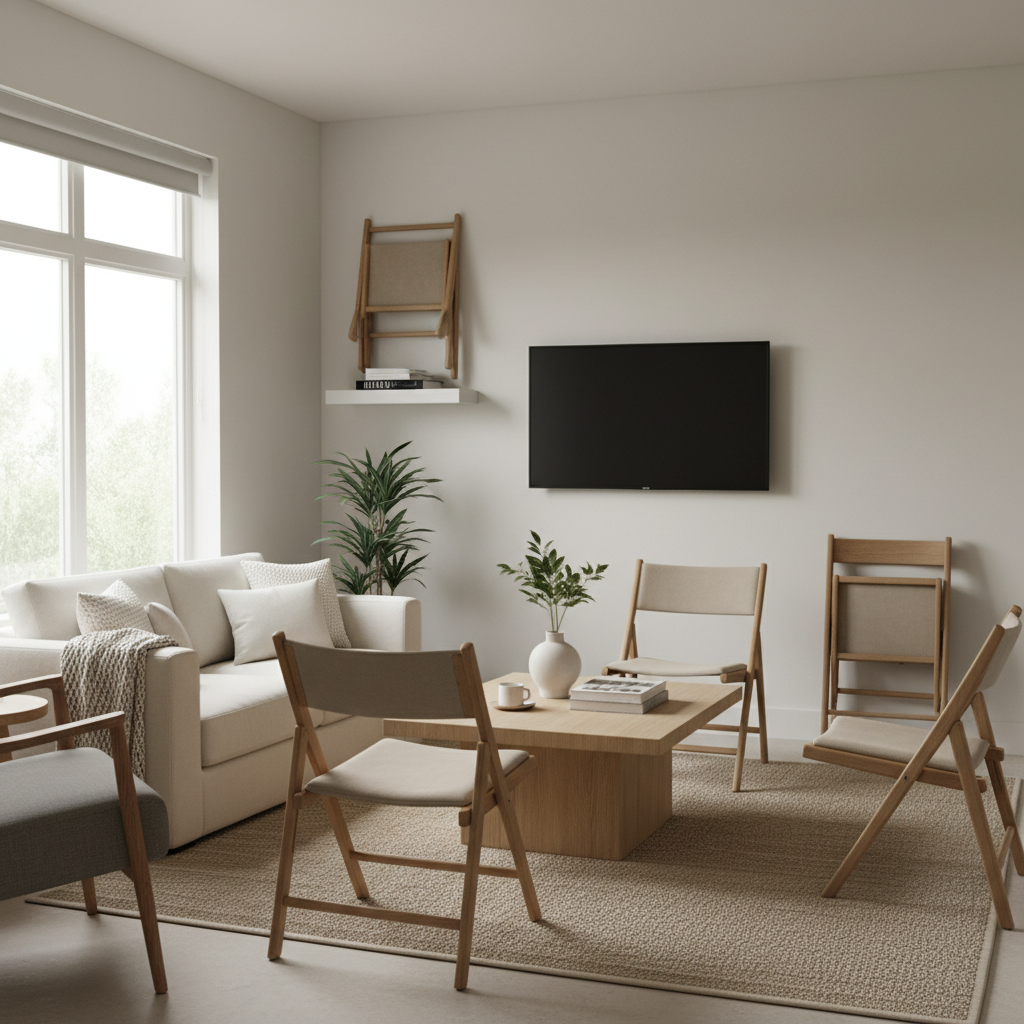
What makes a foldable chair “guest-worthy” (not just “foldable”)
For extra seating, “works” often means it doesn’t collapse. For guests, you also want it to sit level, feel supportive, and not squeak like borrowed gym equipment.
- Stability and frame design: Wider leg stance and solid hinges tend to feel less tippy on carpet and uneven flooring.
- Comfort features: A slightly contoured seat, a back with real flex support, and optional padding go a long way.
- Weight rating: Many models list a static load rating; treat it as a screening tool, not a promise. When in doubt, go higher.
- Seat height: Around dining-chair height feels natural at a table, while lower seats can feel awkward for older guests.
- Floor protection: Non-marring feet matter more than people think, especially on hardwood or vinyl.
- Storage footprint: Thickness when folded and whether they stack neatly can decide if you actually keep them accessible.
According to CPSC (U.S. Consumer Product Safety Commission), tip-overs and falls are a common household injury category, so prioritizing stability and proper use is a practical safety move, not “overthinking.”
Quick self-check: which chair type fits your “extra guests” reality?
Before you shop, be honest about how you host. The best foldable chairs for extra guests in a game-night apartment look different from what works for a holiday dinner table.
- Mostly dining table overflow: Choose padded metal folding chairs or resin folding chairs with a dining-height seat.
- Living room, chatting and snacks: Look at folding chairs with a wider seat and a more supportive back.
- Older relatives visit: Prioritize higher seat height, arms if possible, and a sturdier rating.
- Kids and quick extras: Lightweight models are fine, but check pinch points and finger-safe hinges.
- Small closet, no storage room: Slim-profile chairs that stack tight will beat “comfy” chairs you hate storing.
Best foldable chair types (and what they’re actually good at)
Instead of chasing one “best” model, most households do better picking the right category. Here are the types that tend to perform well for extra seating.
Padded metal folding chairs
These are the classic value pick and often the easiest to find locally. They can be comfortable enough for a meal if the padding is decent, but the seat can feel narrow for bigger guests.
- Best for: occasional dinner parties, budget-friendly sets
- Watch for: thin foam, sharp front seat edge, feet that scuff floors
Resin folding chairs (often “event-style”)
Resin chairs usually feel more “solid” than basic metal ones, and they clean easily. Many people like them because they look a bit more intentional in photos, too.
- Best for: holidays, gatherings, mixed indoor-outdoor use
- Watch for: bulkier storage footprint, slippery seats without texture
Plastic folding chairs
Light and cheap, but comfort varies a lot. Some flex too much, others feel surprisingly stable. Great when you need quantity more than sit-for-two-hours comfort.
- Best for: kids’ tables, quick extras, low-commitment backup seats
- Watch for: creaking joints, low weight ratings, poor back support
Wood folding chairs
Wood foldables can look “real furniture,” which matters if you host often in a small space. The trade-off is weight and occasional maintenance, plus they can scratch floors if the feet are rough.
- Best for: small dining spaces, style-forward homes
- Watch for: heavier carry, hinge quality, finish durability
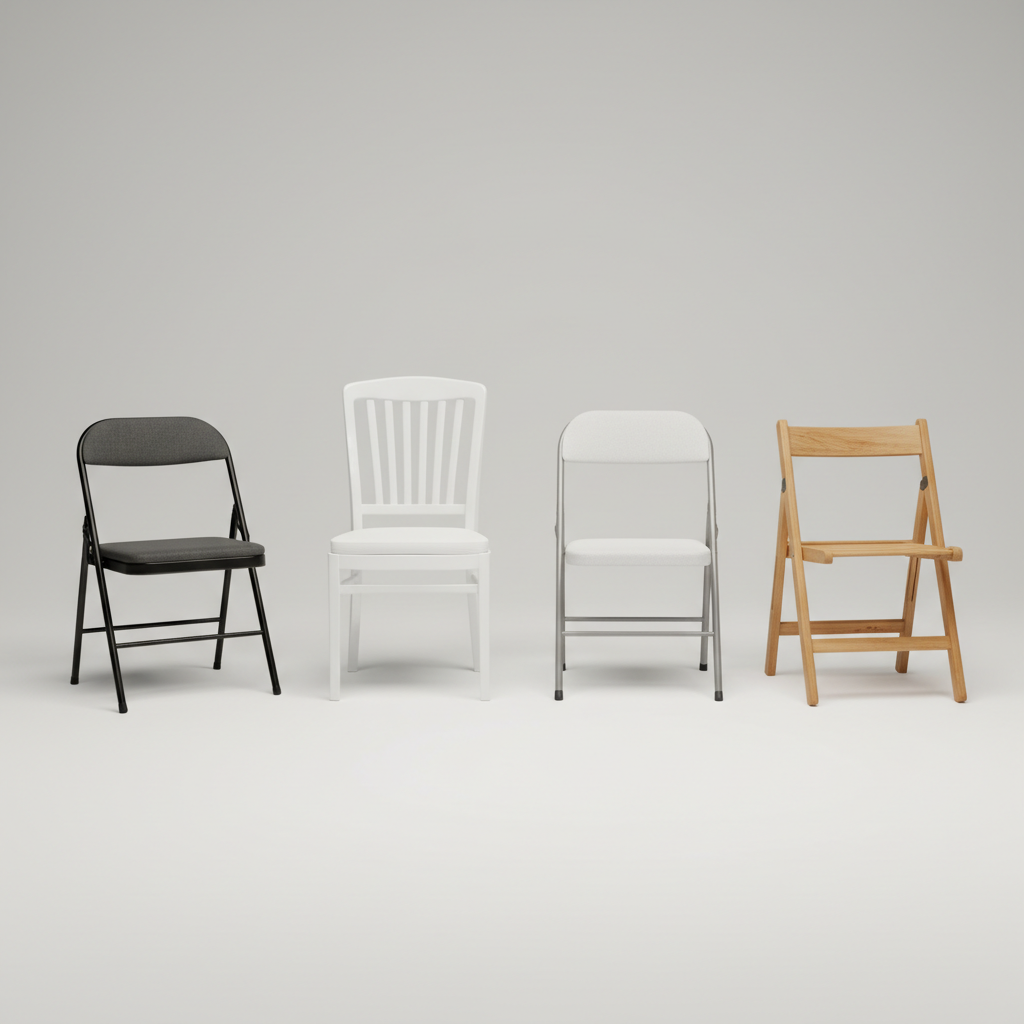
At-a-glance comparison table (what to buy for your scenario)
If you just want a fast match, use this as your starting point. Then double-check sizing and storage, that’s where most “regrets” happen.
| Scenario | Recommended type | Comfort | Stability | Storage | Typical trade-off |
|---|---|---|---|---|---|
| Holiday dinners at the table | Resin folding chairs | Medium-High | High | Medium | More space when folded |
| Small apartment, occasional guests | Padded metal chairs | Medium | Medium | High | Narrower seat feel |
| Extra seats for kids or quick overflow | Basic plastic chairs | Low-Medium | Medium | High | Less supportive back |
| You care about aesthetics year-round | Wood folding chairs | Medium | Medium-High | Medium | Heavier, pricier |
How to choose: the 10-minute checklist that avoids most bad buys
When people hate their folding chairs, it’s usually not “because folding chairs are bad,” it’s because one detail got missed. Use this checklist in-store or while reading product pages.
- Measure where they’ll live: closet width, under-bed clearance, garage shelf depth. Folded thickness adds up fast.
- Confirm seat height: If you’re pairing with a dining table, aim for a familiar dining-chair feel rather than a low perch.
- Look at the front seat edge: A sharp edge cuts into thighs during long meals, even with padding.
- Test the back support: You want controlled flex, not “bowing” that feels unstable.
- Inspect hinges and locking feel: Smooth open/close without grindy metal-on-metal is a good sign.
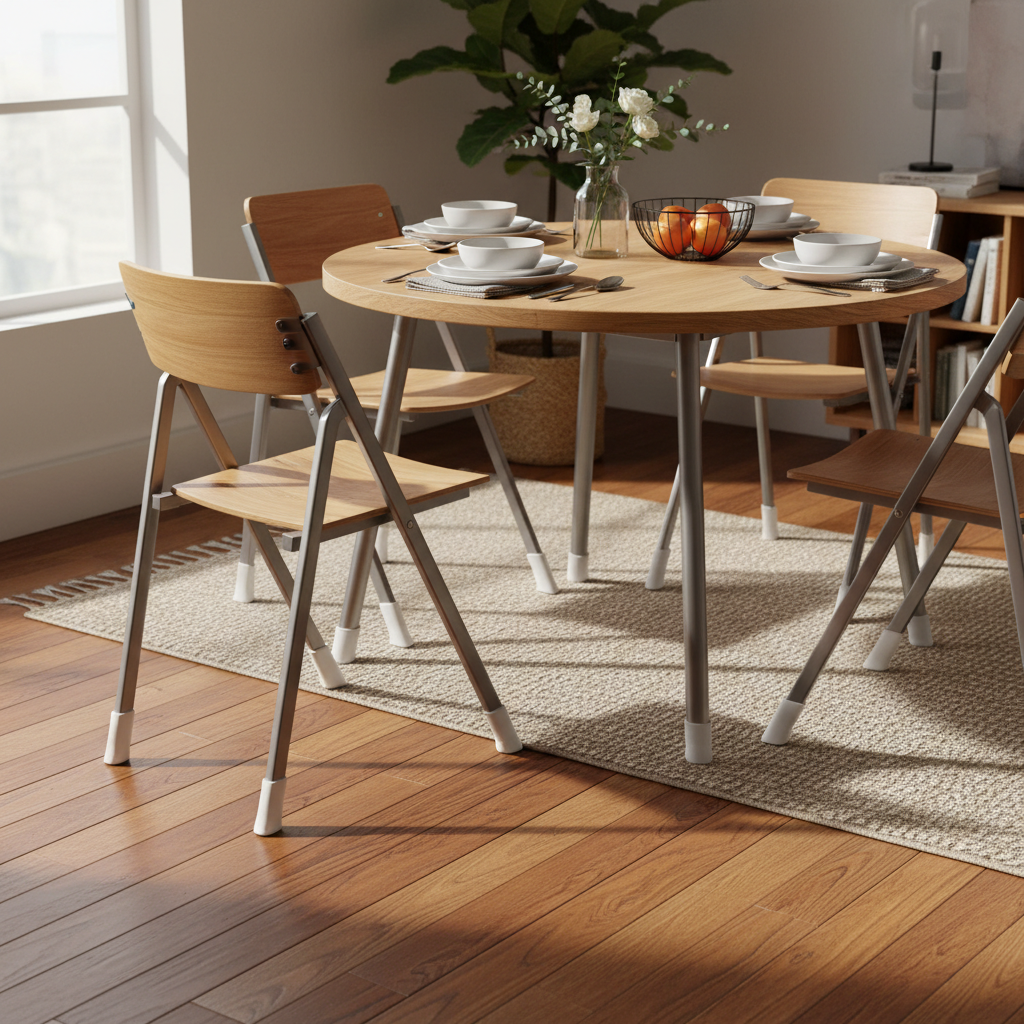
- Check feet: Rubber or non-marring caps reduce sliding and floor marks.
- Weight rating and chair weight: Higher rating often means sturdier build, but a heavier chair might be annoying to move.
- Noise check: A little creak happens, but repeated squeaks can get old at a quiet dinner.
Setup tips: make any foldable chair feel safer and more comfortable
You can get more out of what you buy with a few small habits. This is also the part most hosts forget until guests arrive.
- Use a rug pad or chair pads on slippery floors: It reduces slide and helps chairs feel planted.
- Add simple seat cushions for long hangs: One-inch cushions can change the whole experience, especially for metal seats.
- Keep spacing generous: People feel cramped fast on armless chairs, leave elbow room.
- Level the floor contact: If one leg wobbles, move the chair slightly or swap it out, don’t “hope it’s fine.”
- Mind load and use: Folding chairs aren’t step stools; discourage standing on them.
According to OSHA, using the correct equipment for the task is a core safety principle in many settings; at home that often translates to not improvising with seating when something sturdier is needed.
Common mistakes shoppers make (and how to avoid them)
Shopping for the best foldable chairs for extra guests gets weirdly emotional, you imagine the perfect gathering, then you panic-buy a cheap set. These are the mistakes that show up later.
- Buying for “maximum quantity” and ignoring comfort: If guests avoid the chairs, you didn’t really gain seating.
- Skipping storage math: Six chairs that don’t fit your closet become a permanent living-room pile.
- Choosing looks over stability: Stylish chairs are great, but a wobbly hinge ruins the vibe fast.
- Assuming all “padded” seats feel similar: Foam density matters, thin padding compresses quickly.
- Forgetting floor impact: Hard plastic feet can scuff or slide; add caps or pads if needed.
Conclusion: picking the right chairs without overbuying
The best foldable chairs for extra guests are the ones your friends sit on without thinking about them, they open smoothly, feel steady, and disappear into storage when the night ends.
If you’re deciding today, do two things: match the chair type to how you host most often, then measure storage before you click buy. Those two steps prevent most regrets, and they keep your “extra seating” from turning into clutter.
If you want a simple baseline, resin chairs tend to feel the most event-ready, while padded metal chairs usually win on price and storage. Either can be a solid choice when you check seat height, feet, and hinge quality.
Key takeaways
- Stability beats style when you’re buying for guests, comfort comes next.
- Seat height and front-edge comfort decide whether people last through dessert.
- Storage fit is the hidden deal-breaker for small homes.
FAQ
- What are the best foldable chairs for extra guests for long dinners?
Look for resin or well-padded metal chairs with a supportive back and a comfortable front seat edge, long dinners expose thin padding quickly. - How many folding chairs should I keep for guests?
For many households, 4–6 covers most casual hosting, if you host holidays, consider 6–10, but only if you have a clean storage plan. - Are resin folding chairs better than metal folding chairs?
Often they feel sturdier and look more “event-ready,” but they can be bulkier to store, metal chairs can be a better fit for tight closets. - What seat height should I choose for a dining table?
Aim for a dining-chair-like seat height; if possible, compare to your existing dining chairs so guests don’t feel too low at the table. - Can folding chairs scratch hardwood floors?
Yes, especially with hard plastic feet or worn caps. Non-marring feet, felt pads, or a rug can reduce scuffs and sliding. - What weight rating should I look for in folding chairs?
Higher ratings typically indicate a sturdier build, but ratings vary by brand and testing method, when unsure, choose a more robust category and inspect hinges and leg stance. - Are folding chairs safe for older adults?
They can be, but prioritize stability, a slightly higher seat, and ideally arms, if balance or mobility is a concern, it may be worth asking a healthcare professional for guidance.
If you’re trying to upgrade your hosting setup without turning your closet into a chair warehouse, a simple approach is to pick one “main” chair type you’ll actually use, then add a couple of lighter backups, it’s usually cheaper and easier than chasing a perfect one-chair-for-everything solution.